




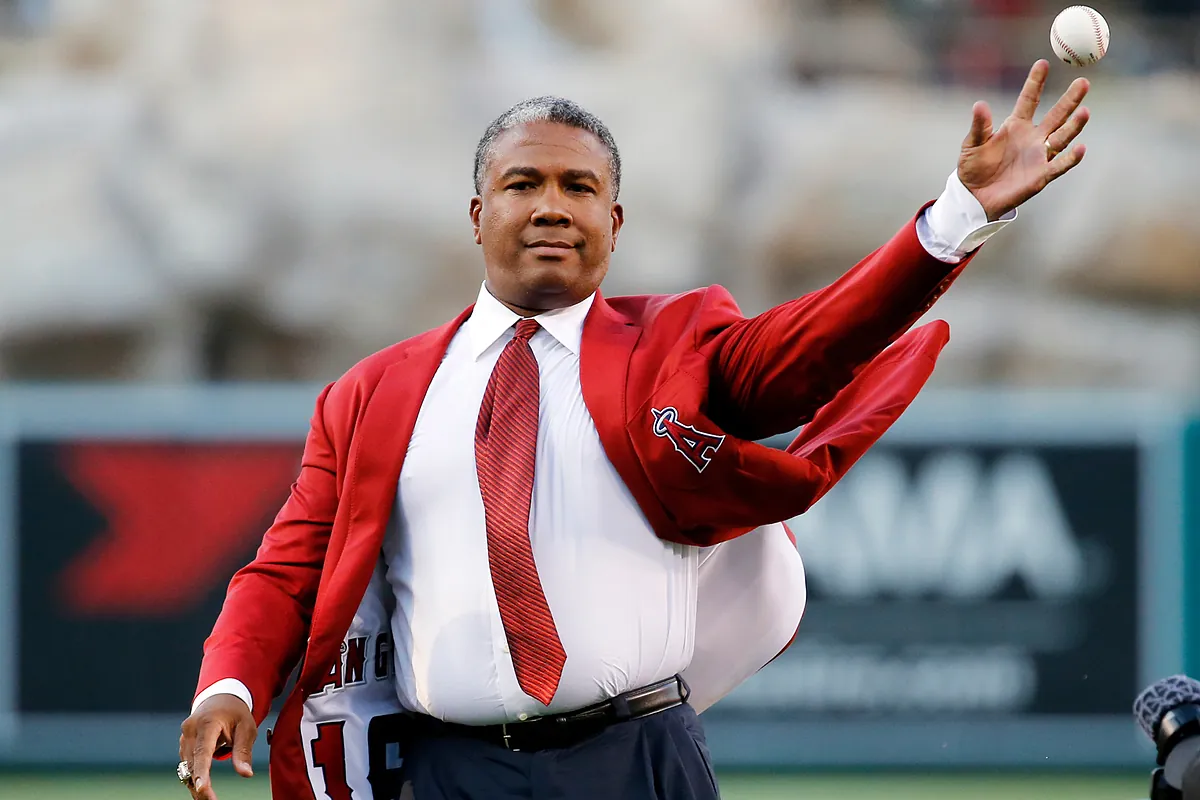
Baseball Hall of Famer Garret Anderson passed away at the age of 53, marking a sudden and deeply felt loss for the sport and for the Los Angeles Angels organization, where he spent the majority of his remarkable career. Anderson passed away on April 16 following a medical emergency at his home in Newport Beach, California.
Medical examiners later confirmed that the official cause of death was acute necrotizing pancreatitis, a rare and severe condition that causes rapid inflammation and tissue death in the pancreas. Initial reports from his wife, Teresa, suggested she believed he may have suffered a heart attack.
In the days following his death, further details emerged through an autopsy that revealed Anderson had been dealing with multiple serious and long-term medical conditions. The findings pointed to a body under significant strain well before his final medical emergency.
Multiple organ conditions uncovered after death
According to the autopsy report, Anderson was suffering from a combination of severe health issues involving several major organs.
One of the most striking findings was a massively enlarged fatty liver, weighing approximately 9.2 pounds, more than double the typical adult male liver weight of 3 to 4 pounds. The condition was classified as severe hepatic steatosis, the most advanced stage of fat buildup in the liver.
Medical examiners also identified hypertensive-type cardiovascular disease, indicating long-standing strain on his heart and circulatory system. In addition, Anderson had cardiomegaly, meaning an enlarged heart, which weighed around 450 grams compared to the normal range of 250 to 350 grams for adult males.
Another notable discovery was an abnormally enlarged kidney, reportedly around three times the expected size, suggesting further chronic organ complications.
These findings suggest Anderson had been dealing with multiple overlapping health challenges prior to his death, many of which likely developed over time without awareness.
Despite his private health struggles, Anderson is widely remembered for his outstanding baseball career. Drafted by the Angels in 1990, he spent the bulk of his 17-year Major League Baseball career with the franchise and became one of its most iconic figures.
He retired as the Angels’ all-time leader in hits with 2,368, along with 1,292 RBIs and eight grand slams. His consistency at the plate and durability made him a cornerstone of the team for more than a decade.
Anderson‘s legacy is most strongly tied to the Angels’ historic 2002 World Series championship. He played a crucial role in the team’s postseason success, batting 9-for-32 in the seven-game series against the San Francisco Giants and driving in six runs.
Former manager Mike Scioscia once described him as “the foundation of that championship run,” praising both his talent and competitive drive.
The Angels organization issued a statement expressing deep sadness and honoring Anderson‘s professionalism. Across baseball, tributes have highlighted not only his achievements on the field but also his reputation as a steady and respected teammate.
Read the full article here