



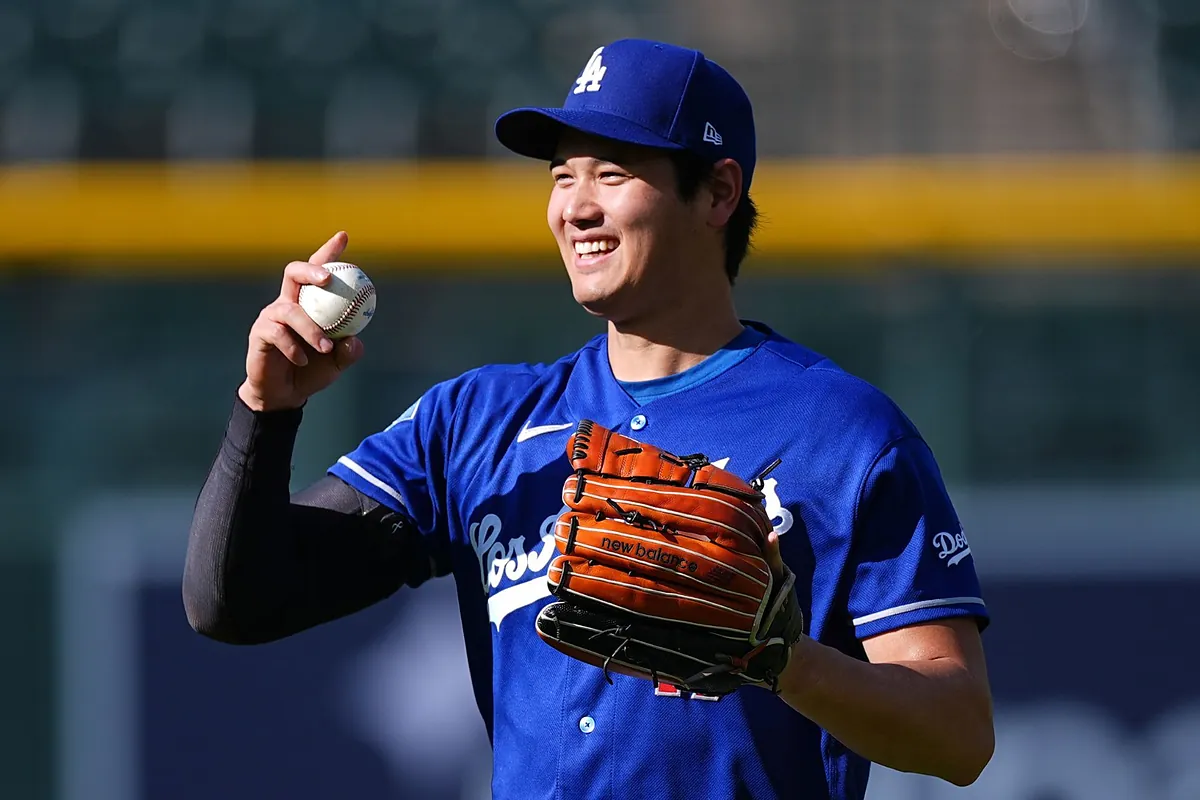
It has been seven years since MLB rules introduced a special “two-way player” designation, a move largely driven by the arrival of Shohei Ohtani, allowing the Japanese star to pitch with minimal restrictions under the modern Major League Baseball (MLB) system.
A debate that resurfaced in MLB
In 2022, the league implemented a key MLB rule change that allows Ohtani-and other starting pitchers-to remain in the game as a designated hitter (DH) after being removed from pitching duty.
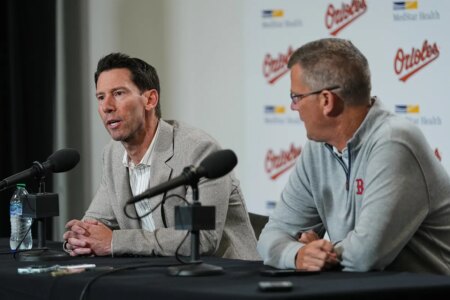
These so-called “Ohtani rules” have once again become a hot topic in the ongoing MLB debate, especially after criticism from Chicago Cubs manager Craig Counsell. However, Los Angeles Dodgers president of baseball operations Andrew Friedman revealed in an interview that MLB only approved the changes after consulting rival teams while Ohtani was still playing for the Angels.
“When Shohei was on the Angels and MLB was considering this, they reached out to a bunch of teams, us included,” Friedman told David Vassegh on Dodger Talk. “And I said, look, from a competitive standpoint, as the Dodgers, I don’t love it. But wearing my industry hat, what’s best for Major League Baseball is to do everything we can for Shohei Ohtani to be in and stay in games. And obviously with the 13 pitcher rule.”
MLB controversy and competitive balance debate
Andrew Friedman’s stance is just one piece of a much larger puzzle in the ongoing discussion about MLB competitive balance and two-way players. The current debate shows these rules have been controversial since their introduction: some see them as a necessary evolution of modern baseball strategy, while critics like Craig Counsell lean toward a more traditional interpretation of the game compared to the “global” and expansion-driven vision seen in clubs like the Dodgers.
Still, the competitive advantage is not solely about the rule itself, but about elite talent. Although the regulation applies equally across all 30 MLB teams, the Los Angeles Dodgers possess the league’s only true “unicorn player”-a generational two-way player capable of performing at an elite level as both a pitcher and hitter.
MLB two-way player eligibility rules
To qualify as a designated MLB two-way player and unlock roster flexibility under MLB roster rules, a player must meet specific workload thresholds in the current season or either of the previous two seasons:
- On the mound: at least 20 MLB innings pitched
- At the plate: at least 20 games started as a position player or designated hitter, with a minimum of three plate appearances per game
These requirements define eligibility under the MLB system designed to accommodate rare dual-role stars like Shohei Ohtani and shape modern baseball strategy.
Read the full article here