



The Golden State Warriors walked off the floor in Phoenix with their NBA season over, but the most revealing moment came after the buzzer, not before it.
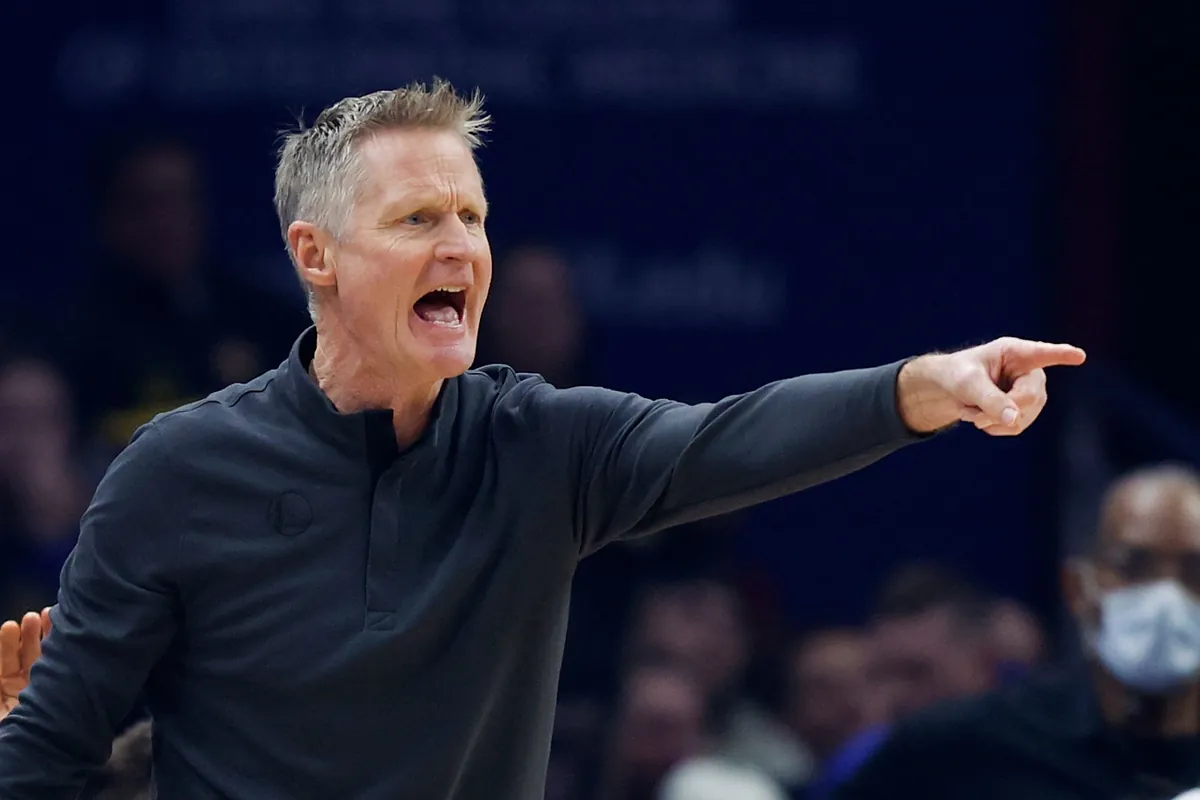
As players processed a 111-96 loss that ended their campaign in the play-in tournament, Steve Kerr spoke with a level of openness that felt uncommon for a coach who has spent much of the year avoiding questions about his future.
For a franchise defined by continuity over the past decade, Kerr’s words introduced something new: uncertainty.
“I don’t know what’s going to happen,” Kerr said. “I still love coaching, but I get it. These jobs all have an expiration date. There’s a run that happens, and when the run ends, sometimes it’s time for new blood and new ideas and all that.”
It wasn’t framed as a farewell. But it did not sound like a guarantee he would be back either. Kerr, who has led the Warriors to four championships and six Finals appearances since taking over in 2014, is entering the final year of his contract.
Talks over an extension were pushed aside during the season, leaving the door open for a decision that now feels more significant after another early postseason exit.
Golden State‘s loss to Phoenix was not just another defeat. It was the latest chapter in a gradual shift away from the dominance that once defined the franchise.
The Warriors have now failed to establish themselves as a true contender in recent seasons, repeatedly finding themselves fighting through the play-in rather than competing deep into the playoffs.
Kerr acknowledged the reality without overdramatizing it. His tone suggested understanding more than frustration.
That perspective matters because it shifts the conversation from whether the Warriors can simply “run it back” to whether a deeper reset is required.
If that’s the direction, the question becomes whether Kerr is the right coach to lead it. He made clear his desire to continue, particularly alongside Stephen Curry.
“I don’t want to walk away from Steph,” Kerr said. “I’m definitely not going and coaching somewhere else next year in the NBA. I would never walk away from Steph. But all this stuff has to be aligned and right.”
The emphasis on alignment speaks to more than just a contract. It reflects the need for a shared vision between the coaching staff and front office as the team considers its next phase.
Players reflect a changing reality
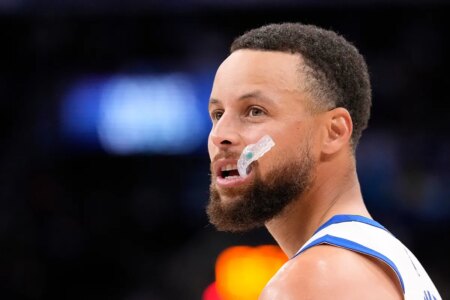
Inside the locker room, there was no sense of panic, but there was recognition that change may be coming. Curry, the cornerstone of the franchise, did not push publicly for Kerr‘s return. Instead, he focused on the bigger picture.
“I want coach to be happy,” Curry said. “I want him to be excited about the job. I want him to believe he’s the right guy for the job. I want him to have an opportunity to enjoy what he does, whatever that means for him.”
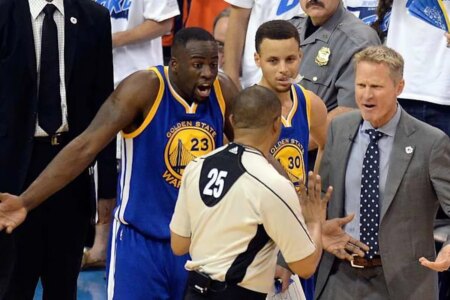
It was a measured response that underscored respect, but also acceptance that the decision may not be straightforward. Draymond Green, meanwhile, admitted the uncertainty was difficult to process.
“I don’t want to think about that,” Green said. “I hope that’s not the case, but we’ll see what happens.”
An offseason that could reshape everything
Kerr is expected to meet with ownership and general manager Mike Dunleavy Jr. in the coming weeks to discuss the team’s future. Those conversations will likely extend beyond his own role, touching on roster construction, style of play and how to maximize the remaining years of Curry‘s career.
The Warriors are no longer the team they were at the peak of their dynasty. That much is clear. What remains uncertain is how they choose to respond.
Kerr‘s comments did not confirm an exit. But they signaled that, for the first time in years, it is a real possibility. Whether he stays or steps away, the next decision will shape the direction of the franchise as much as any move on the court.
Read the full article here