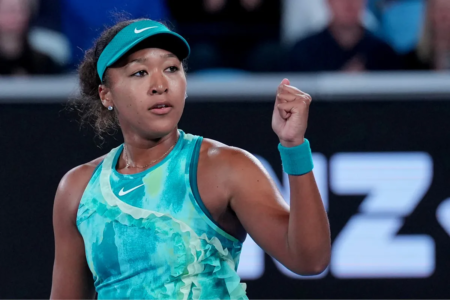




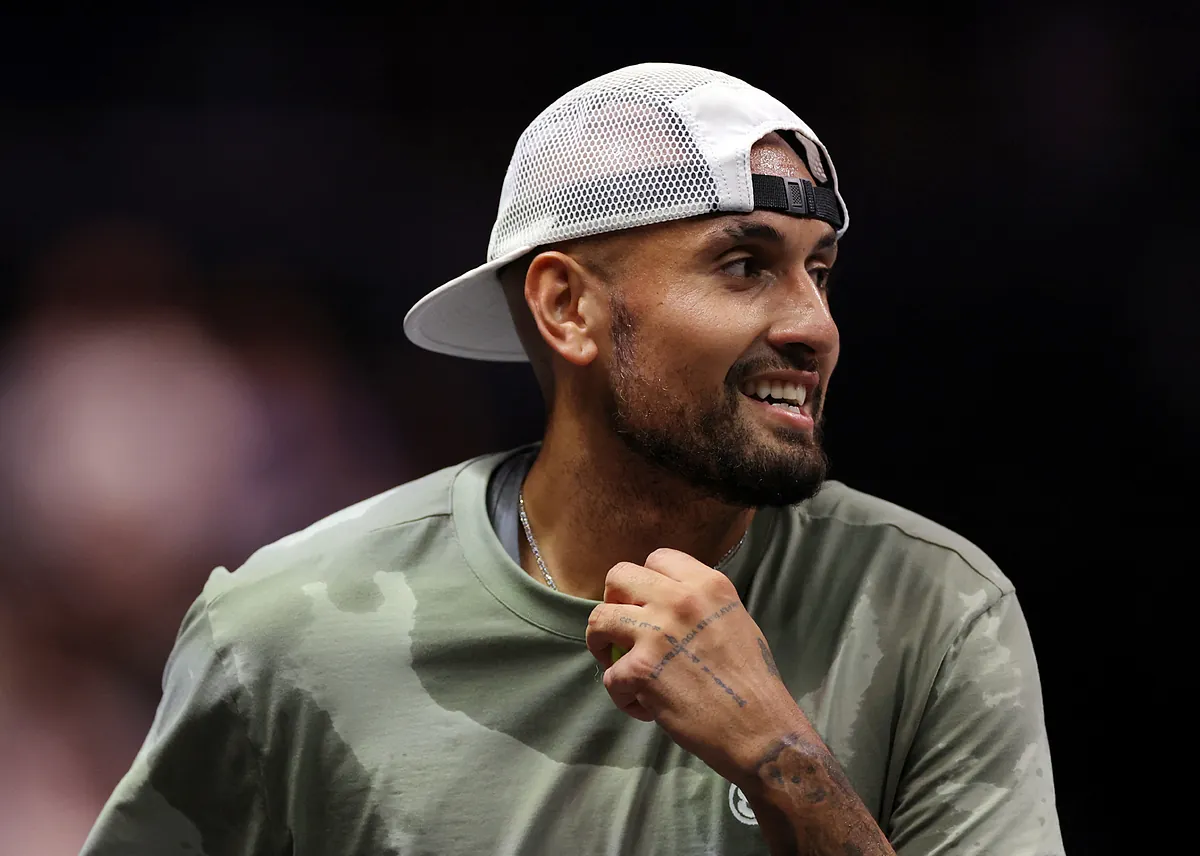
Nick Kyrgios secured a straightsets victory over Aryna Sabalenka at Dubai‘s Coca-Cola Arena on Sunday in a highly anticipated “Battle of the Sexes” exhibition match.
The 6-3, 6-3 outcome marked a dramatic, if unconventional, chapter in the storied and controversial tradition of mixedgender tennis showdowns.
Unlike the seminal 1973 contest between Billie Jean King and Bobby Riggs, which carried deep cultural and social weight, this iteration was designed more as a spectacle.
Organizers implemented unique twists. Sabalenka‘s side of the court was reduced in size by nearly 10% and both players were limited to a single serve per point, in an effort to “level” perceived physical advantages while emphasizing entertainment value.
From the outset, the match drew a full house and a buzz of discussion among fans and pundits alike.
Sabalenka, the reigning world No. 1 on the WTA Tour and a fourtime Grand Slam singles champion, brought her powerful baseline game that has made her one of the most dominant forces in women’s tennis.
Kyrgios, a former Wimbledon finalist who has battled injuries in recent seasons, leaned on his trademark shotmaking and flair to dictate play.
“I’m just glad, from where I was, I wasn’t able to use my right hand,” Kyrgios said afterward, reflecting on his long road back from injury and the significance of competing at a high level again.
“To even get back out here and compete with Sabalenka, honestly it’s emotional.”
Criticism about the matchup
While the result was clear on the scoreboard, the implications of the event were far less so.
Traditionalists and many within the tennis community noted that the modified playing conditions and highly dramatized framing detracted from serious athletic competition.
Some observers on social platforms labeled the exhibition a “circus” rather than a true measurement of ability, arguing that it served promotional interests more than sporting ones.
Yet there were moments of genuine tennis quality. Sabalenka, known for her punishing serve and aggressive groundstrokes, frequently challenged Kyrgios and even broke his serve early in stretches of the contest.
Still, Kyrgios‘ varied shot selection, including deft drop shots and measured placement, ultimately proved decisive, especially as the Belarusian looked to adapt to the unusual conditions.
After the final point, the two competitors shared a warm embrace at the net, a gesture that underscored mutual respect despite the broader debates surrounding the event.
Sabalenka spoke candidly about what she took from the experience, expressing enthusiasm for future meetings and growth.
“I think I put on a great fight,” she said, adding that she would go into a next match with a deeper understanding of Kyrgios‘ tactics and tendencies.
The original contest between King and Riggs, played amid the burgeoning women’s professional tour, became an iconic symbol of gender equality efforts in sports, a backdrop that this Dubai event acknowledged but did not replicate.
Read the full article here