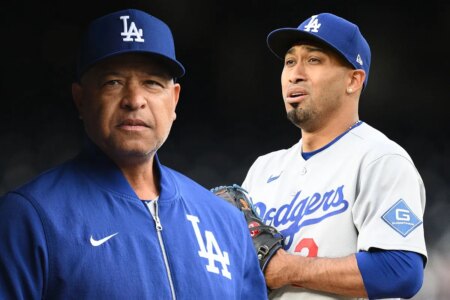




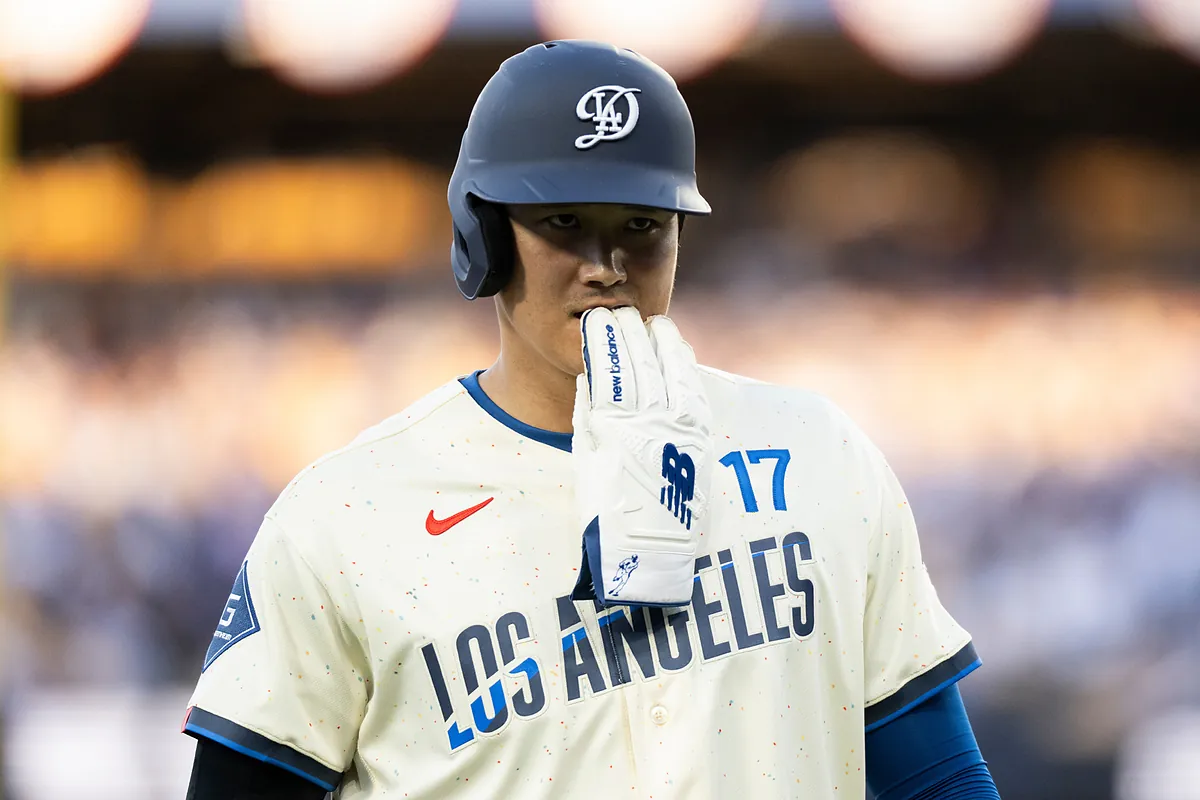
We are only three weeks into the massive 2026 MLB season, but the narrative feels strikingly familiar. The two-time defending champion Los Angeles Dodgers remain the league’s “Final Boss,” boasting the best record in baseball and looking every bit like the dynasty many predicted when Shohei Ohtani landed in Hollywood back in 2024. While the Toronto Blue Jays pushed them to the brink in a legendary Game 7 during last year’s World Series, the Dodgers have picked up right where they left off.
However, the biggest story across the diamond isn’t just the standings; it’s the full-scale implementation of the Automated Ball-Strike (ABS) Challenge System.
For the first time, every stadium is equipped with this “middle ground” technology-designed to keep the human element of umpiring alive while allowing players to audit calls in real-time. But as with any tech rollout, the league is currently battling a hilarious, yet frustrating, bug in the system: accidental challenges.
The Helmet Gesture Trap: When Muscle Memory Triggers a Challenge
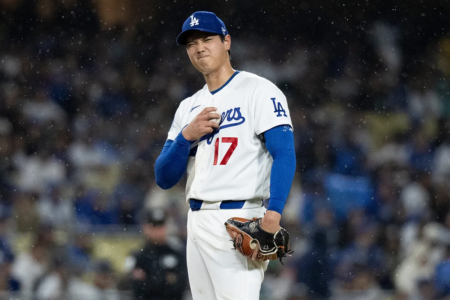
The protocol for initiating an ABS challenge is simple: a player taps the top of their helmet or cap. It’s visible, clear, and supposedly foolproof. The problem? Baseball is a game of repetitive tics and nervous habits. For decades, hitters have adjusted their headgear between pitches, and pitchers have tugged their caps after a stressful walk. Now, those involuntary movements are being interpreted as official requests for a technological review.
We saw this reach a bizarre peak last week during a high-stakes matchup between the Dodgers and the Blue Jays. In the bottom of the first inning, Dodgers catcher Will Smith appeared to challenge the very first pitch of the game, a ball that was clearly below the zone. It made zero sense to burn one of two precious challenges that early on a pitch that wasn’t even a strike.
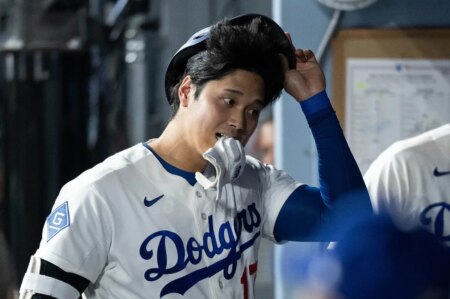
Upon further review, it became clear that Ohtani had reached up to adjust his cap, and Smith followed suit with a habitual helmet tap. Home-plate umpire Dan Bellino saw the gesture and went straight to the monitors. Whether it was a miscommunication between the battery or just a case of “itchy trigger fingers,” it highlighted a massive flaw: the system cannot distinguish between a strategic move and a habitual tic.
Rung Up and Challenged: The Ben Rice Incident and the Need for a Fix
The “ghost challenge” phenomenon isn’t just limited to the Dodgers. During the New York Yankees’ recent 5-4 loss to the Tampa Bay Rays, first baseman Ben Rice found himself at the center of the controversy. After being called out on a knee-high cutter by Bellino (who seems to be at the heart of every ABS drama lately), Rice touched the top of his helmet as he turned toward the dugout, a classic gesture of frustration.
Bellino immediately signaled for a challenge. Rice was caught in a “no-man’s land,” trying to explain that he was simply adjusting his gear, not asking for an audit of the strike zone. The challenge proceeded anyway, leaving Rice looking like a confused student in the principal’s office.
These accidental challenges aren’t just funny anecdotes; they are leading to high-tension arguments and even manager ejections. We’ve already seen one skipper tossed for arguing the timing of a challenge; it’s only a matter of time before someone gets sent to the showers for arguing a challenge that was never intended to happen.
The fix seems obvious to anyone watching, MLB needs to move toward a verbal initiation or a more distinct physical signal that can’t be confused with a player just being a creature of habit. Until then, hitters and pitchers better keep their hands away from their heads, or they might find themselves wasting a game-changing challenge on a pitch that didn’t even matter.
Read the full article here