



Perhaps in another world, some of the players we now proudly see wearing the colors of their national team might have ended up representing different flags. FIFA’s eligibility rules offer flexibility that allows players to represent a country based on heritage, residency or other personal factors – and that can shape their chances of playing at major tournaments like the World Cup. Some of these stories are well-known, others less so, but each helps explain how these decisions are made.
Choices shaped by heritage, opportunity and identity
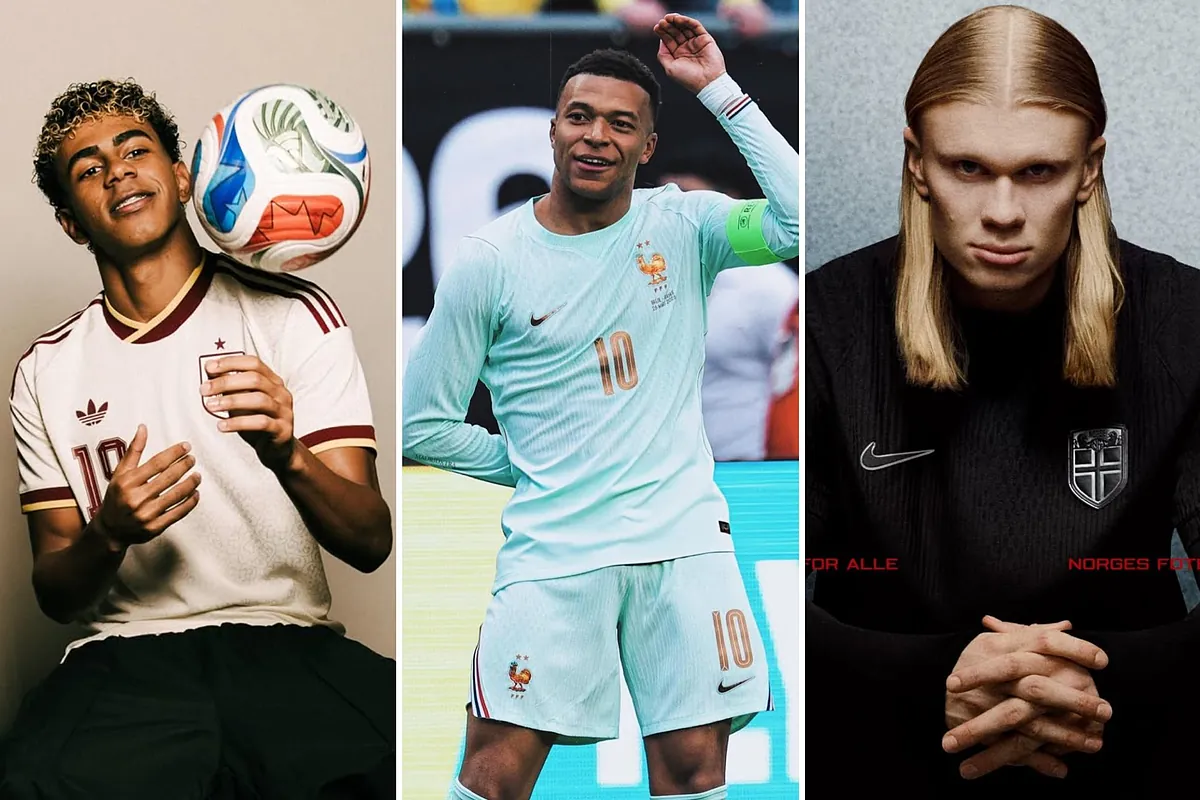
For many players, heritage plays a central role. Jack Grealish, for example, represented Ireland at youth levels through family roots but ultimately chose to play for England, the country of his birth and where he developed his career. A similar thread appears with Erling Haaland. Born in England to a Norwegian father, he could have been eligible for British citizenship and therefore a theoretical England callup – but he committed to Norway from a young age and built his identity and career within their setup.
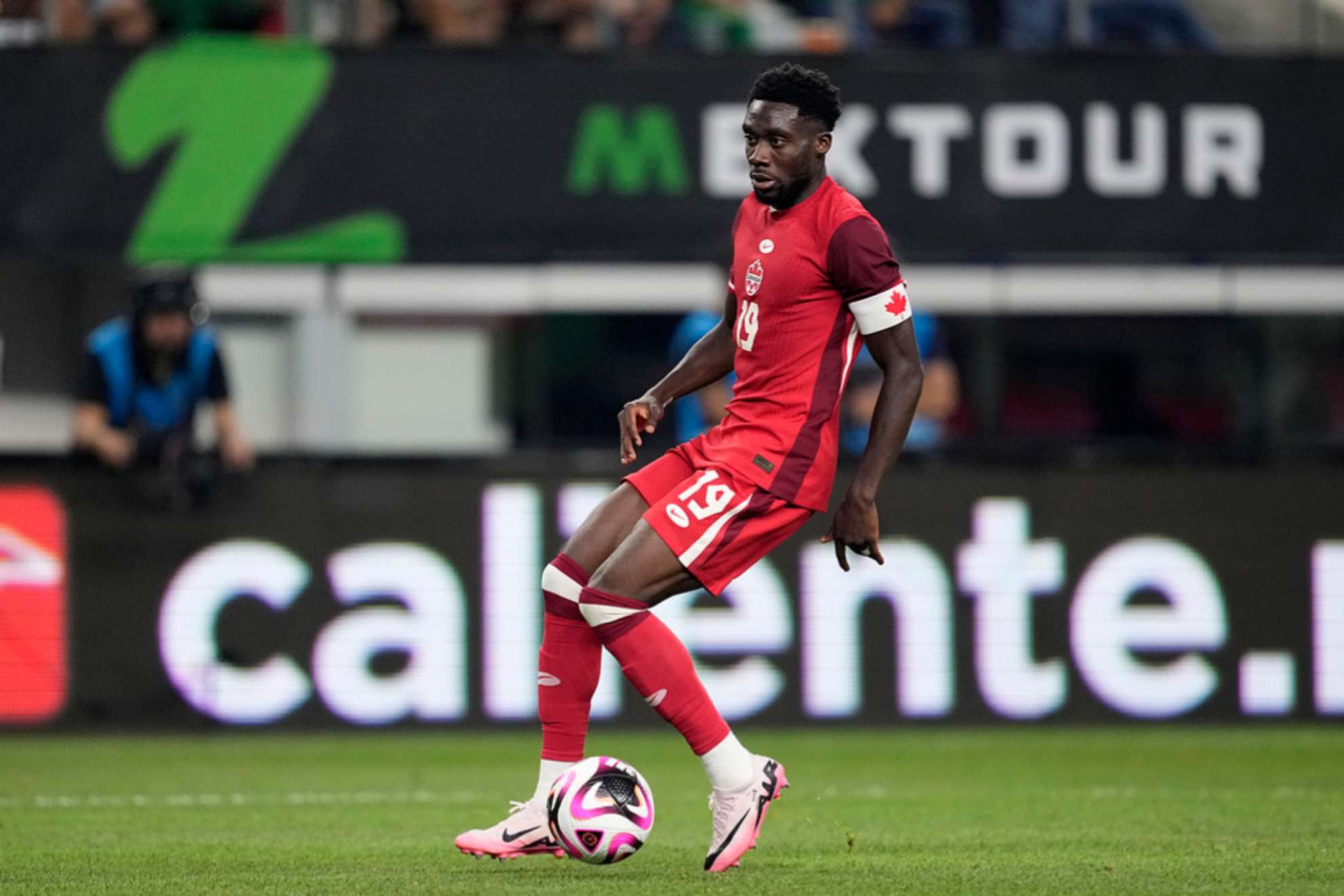
Alphonso Davies has become one of the most prominent examples of a player choosing a different country from his birth nation on the basis of upbringing. Born in Ghana, Davies moved as a child to Canada, where he grew up and developed as a footballer, and he now represents Canada at international level.
Personal connection often outweighs other options
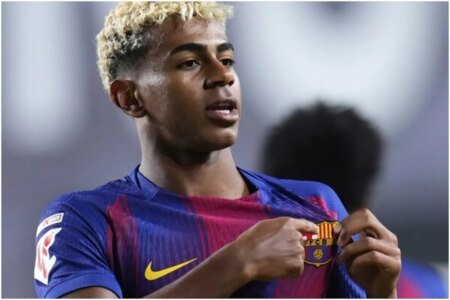
Sometimes the decision is about where a player feels at home. Lamine Yamal, born and raised in Spain with Moroccan and Equatoguinean heritage, represents Spain because he identifies the country as his homeland, even though he had the option to represent others through his family background.
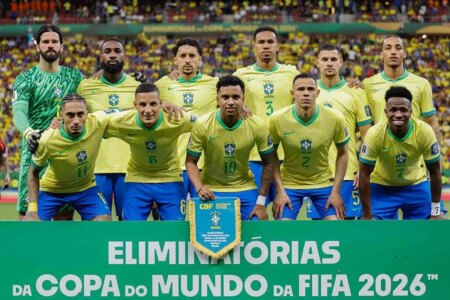
Raphinha’s international choice also shows how timing and personal preference can intersect. Eligible for Italy through his father, administrative delays with his Italian passport meant he missed the chance to be part of Italy’s Euro 2020 squad. Instead, he held firm to his dream of representing Brazil, his birth country, and earned his first callup in 2021.
Some players had more than one heritage option but chose based on longstanding personal affiliation. Kylian Mbappé, born to a Cameroonian father and an Algerian mother, might have been eligible for Cameroon or Algeria, but he chose France, the country where he grew up and developed as a player.
Belgium’s Kevin De Bruyne offers another example of heritage eligibility. His mother was born in Burundi, which under FIFA’s rules would have allowed him to represent Burundi internationally. However, he chose to represent Belgium, the country he grew up in and where he established his entire career.
Similarly, Alejandro Garnacho was born in Spain and eligible to play for the Spanish national team, but his connection to his mother’s roots led him to choose Argentina, a decision he has made clear publicly: “I am Argentinian,” he said, reflecting his emotional and cultural identification.
Paulo Dybala, eligible for Poland through his grandfather and Italy through his grandmother, consistently expressed that he felt “100 percent Argentinian.” For him, playing for Argentina was never just about opportunity – it was about identity.
Achraf Hakimi’s path also reflects personal identity. Although born and raised in Spain, he chose Morocco, the country of his family heritage, citing a strong personal and cultural connection that made him feel more aligned with representing Morocco at international level.
Residency and career paths also shape decisions
Not every decision is tied only to heritage – sometimes a player’s professional journey plays a major role. Marcelo Flores is a good example of how complex things can get at a young age. Born in Canada to a Mexican father, he was eligible for multiple national teams. He chose to represent Mexico early on and even reached the senior level, but his international future has remained a topic of discussion, showing how these decisions can still evolve over time now playing for Canada.
Álvaro Fidalgo represents a different path. Born in Spain, he moved to Mexico for his club career and became an important player there. After meeting FIFA’s residency requirements, he became eligible to represent Mexico, highlighting how time spent in a country can open the door to a new national team.
A similar case is Julián Quiñones. Born in Colombia, he built his career in Mexico and later obtained citizenship. His consistent performances and long-term presence in Liga MX led to his inclusion in the Mexican national team, showing how naturalization can shape international opportunities.
World Cup dreams and individual decisions
These choices are rarely simple. They involve a mix of personal identity, career opportunities, family background and timing. With the 2026 FIFA World Cup approaching, these stories offer important context to the global nature of football – and a reminder that representing a country is as much about belonging as it is about eligibility.
Read the full article here