



After months of contentious negotiations and marathon meetings, the WNBA and its Players Association have officially hammered out a new collective bargaining agreement (CBA). This isn’t just a standard update; it’s a pivotal moment in women’s sports labor history. Players are set to be paid more than ever, finally receiving a larger chunk of the league’s surging revenue.
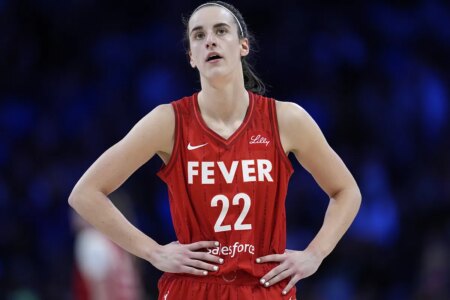
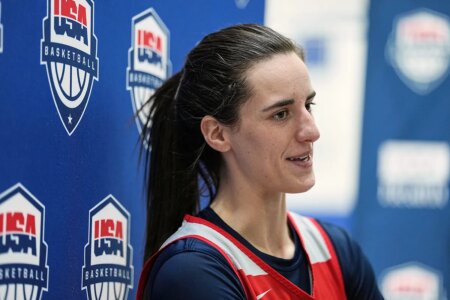
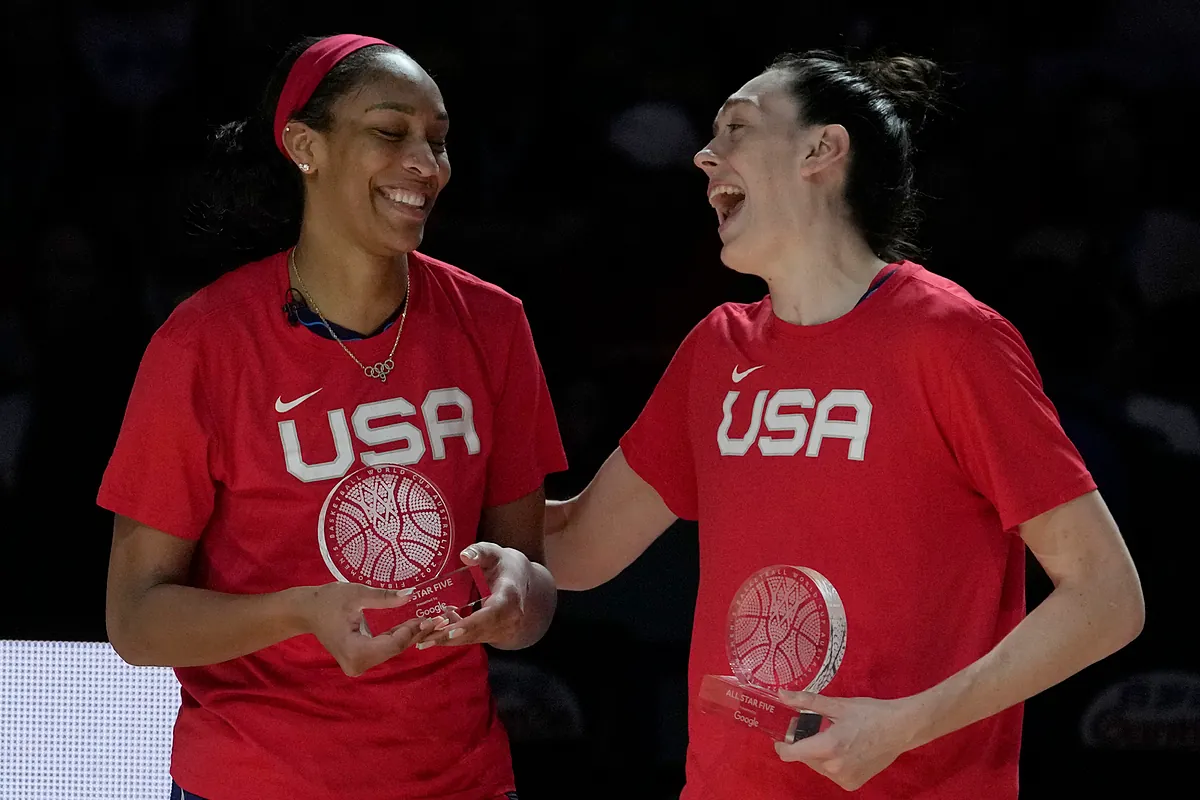
This financial explosion is no coincidence-it’s the direct result of “The Clark Effect” meeting a golden generation of veterans. Between the massive merchandise sales and arena sellouts driven by rookies like Caitlin Clark, Paige Bueckers, and Angel Reese, and the sustained brilliance of icons like A’ja Wilson and Breanna Stewart, the league has never possessed this much concentrated talent.
Commissioner Cathy Engelbert has confirmed that training camp and the regular season will remain on schedule, with opening night set for May 8. However, the real fireworks are happening behind the scenes. With over 70 players hitting free agency, including superstars like Wilson, Stewart, Sabrina Ionescu, and Napheesa Collier, the league’s hierarchy is about to be tossed into a blender.
The centerpiece of the new CBA is the “Supermax” deal, which jumps from a modest $249,000 to a staggering $1.4 million in 2026. With teams generally limited to just one supermax per roster, the race to secure these life-changing contracts is officially on.
The Million-Dollar Shortlist: Who Joins A’ja Wilson in the Seven-Figure Club?
The upcoming free agency period, which kicks off its meeting window on April 12, will force front offices to make the most expensive decisions in league history. While some players may prioritize stability, the allure of a seven-figure salary will likely trigger many roster moves across the board.
Here are the frontrunners for the first wave of Supermax contracts:
- A’ja Wilson (Las Vegas Aces): The undisputed GOAT of the current era. Wilson is coming off a record-setting 2025 where she secured an unprecedented fourth career MVP and was named Co-Defensive Player of the Year. She led the league in scoring for the second straight year (23.4 PPG) and blocks (2.3 BPG), while also grabbing 10.2 rebounds per game.
- Napheesa Collier (Minnesota Lynx): The 2025 MVP runner-up and a unanimous All-WNBA First Team selection. Collier was the engine behind Minnesota’s league-best 34-10 record, averaging 22.9 PPG and 8.3 RPG. Her ability to impact both ends of the floor makes her a “must-sign” Supermax candidate.
- Kelsey Mitchell (Indiana Fever): Mitchell proved in 2025 that she is one of the most consistent bucket-getters in the world. She earned an All-WNBA First Team nod after averaging 20.2 PPG, acting as the veteran scoring anchor for a Fever team that has become the league’s most watched franchise.
- Kelsey Plum (LA Sparks): After her high-profile move to Los Angeles, Plum delivered exactly what was expected. She earned All-WNBA Second Team honors in 2025, averaging 19.5 PPG and a career-high 5.1 assists, proving she can lead a backcourt and handle the spotlight of a major market.
- Sabrina Ionescu (NY Liberty): The face of the Liberty remains a statistical marvel. In 2025, she averaged 18.2 PPG and 4.0 APG while leading New York back to the elite tier of the standings. As an All-WNBA Second Team selection, she’s the prime candidate for New York’s Supermax slot.
Front offices now have a very tight window to decide which restricted free agents to extend offer sheets to and which veterans to “core.” Starting April 12, the floodgates open. In previous years, WNBA free agency was often characterized by players staying put for loyalty and comfort. However, when the difference between a standard contract and a Supermax is over a million dollars, the “home-team discount” is likely a thing of the past.
The league is shifting into a “win-now” mentality. Teams with the cap space to offer the $1.4 million deal will have a massive advantage in recruiting disgruntled stars or poaching talent from teams already capped out by their own Supermax player.
As the May 8 opening night approaches, the roster you see today will likely look nothing like the one that takes the court this spring. We aren’t just watching a new season; we’re watching the professionalization of the WNBA salary structure in real-time.
Read the full article here