



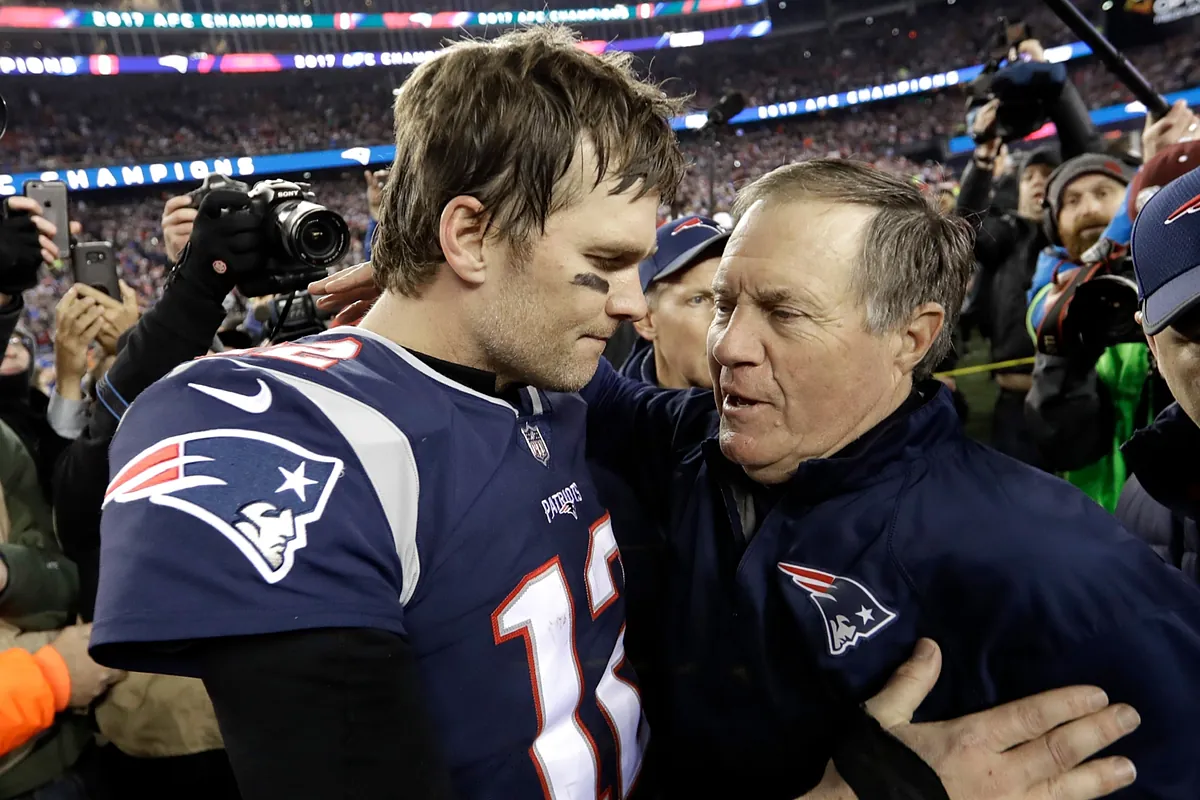
The room went quiet when the result circulated. Bill Belichick, one of the most decorated figures in NFL history, reportedly did not receive enough votes to be inducted into the Pro Football Hall of Fame Class of 2026, according to ESPN reporters Don Van Natta Jr. and Seth Wickersham.
The report landed Tuesday and immediately reframed a process long viewed as predictable. Belichick owns eight Super Bowl championships overall, including six as head coach of the New England Patriots, and is widely regarded as one of the most influential coaches the league has ever seen. Yet the reporting indicated he fell short on the first try, with some voters allegedly weighing the Patriots’ Spygate and Deflategate scandals into their decisions.
If accurate, that reasoning would represent a notable shift in how Hall of Fame cases are evaluated. Historically, voting has centered on career achievement and impact on the game, not organizational controversy. Belichick’s résumé had long made him a presumed lock.
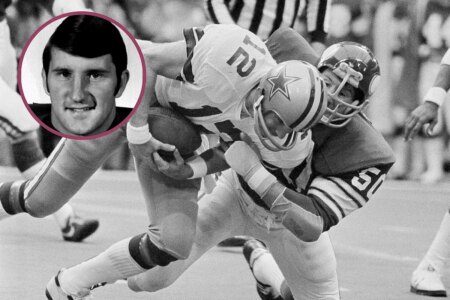
Former Indianapolis Colts general manager Bill Polian was cited in the report as favoring a delay tied to those scandals. Polian strongly denied that account, telling Sports Illustrated he voted for Belichick and calling the suggestion “categorically false.” The Pro Football Hall of Fame has not issued an official comment on individual vote totals, consistent with its longstanding policy.
“If rumors are true and Bill Polian led the charge of Belichick waiting because of Deflategate and Spygate does that mean that Tom Brady has to wait too?…
Brady to be snubbed? A debate that quickly expanded
The moment Belichick’s omission surfaced, attention turned to Tom Brady. The seven-time Super Bowl-winning quarterback becomes eligible for the Hall of Fame in 2028, and his first-ballot induction has been treated as a certainty since his retirement.
Former NFL safety and current ESPN analyst Ryan Clark publicly questioned whether the same logic applied to Belichick could be used against Brady. Clark argued that applying scandal-related penalties to individual legacies would be inconsistent and damaging, especially given Brady’s on-field accomplishments and his Super Bowl success with both New England and Tampa Bay.
Around the league, the reaction was less about Brady’s credentials and more about precedent. Analysts noted that previous Hall of Fame classes have included players and coaches connected to controversial teams without delays tied to team violations. According to data tracked by Pro Football Reference and past Associated Press Hall coverage, first-ballot inductees have historically been evaluated on performance, longevity, and influence.
Why this snub changed the conversation around legacy
Belichick’s reported omission arrives at a moment when Hall of Fame voters are under sharper scrutiny than usual. While the voting process remains private, the perception of shifting standards matters. For the Patriots dynasty, already viewed through a complicated historical lens, this development reframes years of success through questions of judgment and accountability.
“Because ain’t no fricking way Tom is waiting or should wait… and neither should Bill!…
For Brady, the discussion remains theoretical. His individual résumé stands apart: career passing records, postseason dominance, and championships won with two franchises. No official signal suggests voters intend to delay his induction when he becomes eligible.
Still, the idea that Belichick had to wait has altered expectations. What once felt automatic now appears subject to interpretation, and that uncertainty is new.
Where Belichick and Brady stand from here
Belichick remains eligible for future ballots, and history suggests candidates of his stature are often inducted shortly after an initial miss. Brady will not face voters until 2028, leaving time for standards to settle and for the current debate to cool.
Until then, the larger issue is trust. How voters handle Belichick’s candidacy moving forward may influence confidence in the process long before Brady’s name ever appears on a ballot.
This article is based on reporting from ESPN, statements provided to Sports Illustrated, and historical Hall of Fame data tracked by Pro Football Reference and the Associated Press. The Pro Football Hall of Fame does not release individual voting details.
Read the full article here