The facade of unity within the WNBA is showing signs of strain as the league approaches a high-stakes March 10 deadline, with the threat of a season-disrupting strike looming.
For over a year, the Women’s National Basketball Players Association (WNBPA) projected solidarity, highlighted by an overwhelming strike authorization vote last December. However, internal tensions have surfaced as players weigh the cost of holding out against the potential gains of a landmark collective bargaining agreement.
What was once a united front toward negotiation has evolved into a more nuanced debate, with players weighing the potential loss of the 2026 season against the benefits of a gross-revenue-sharing model.
The stakes were evident during a tense virtual meeting on Tuesday night, where representatives from the league’s 12 original franchises and incoming expansion teams engaged in heated discussion over union strategy.
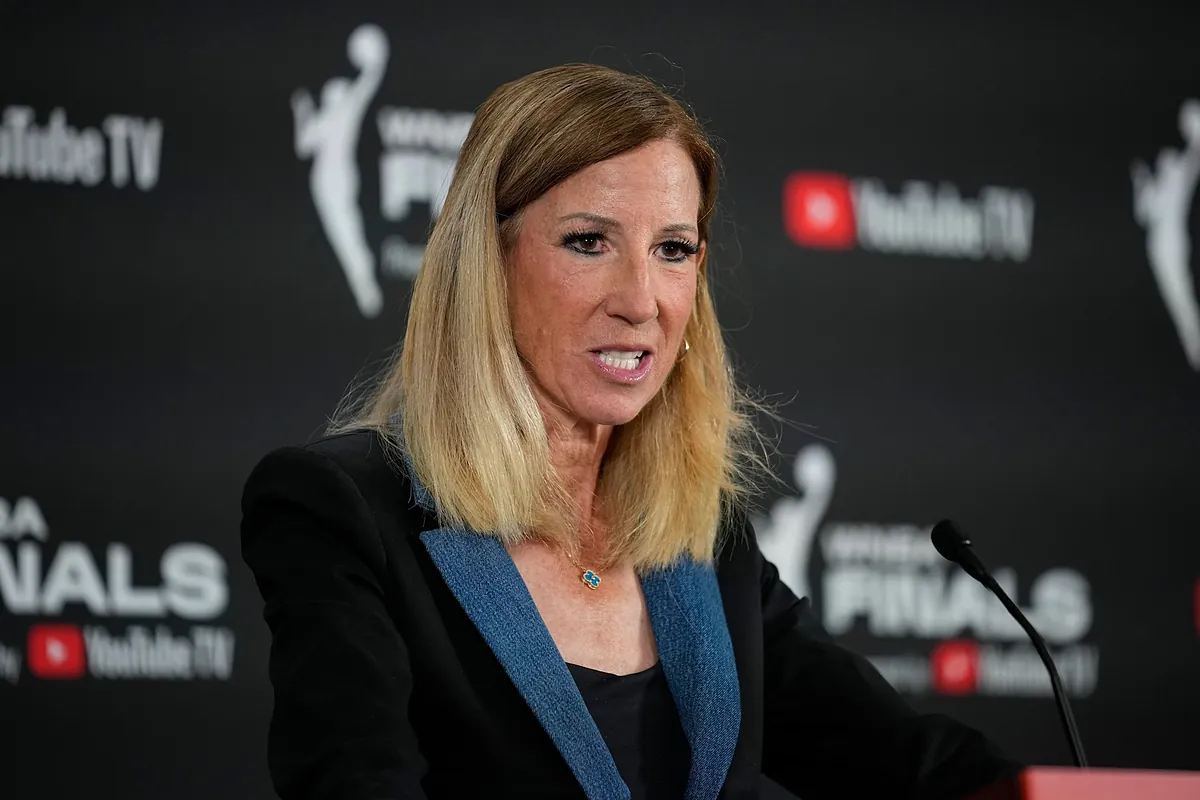
“Last night’s conversation was spirited, passionate, and at times tough,” Terri Carmichael Jackson, WNBPA executive director, wrote in a post-meeting letter obtained by Front Office Sports.
Addressing concerns about internal division, Carmichael Jackson emphasized that robust debate is healthy, stating, “Honest debate is not division. It is engagement.”
Agents step in amid growing uncertainty
The discord is no longer confined to the players’ circle. On Thursday, nearly a dozen high-profile player agents sent a collective letter to Carmichael Jackson, urging “transparency and coordinated communication” as the March 10 deadline looms.
Their intervention signals growing concern that union leadership may be drifting from the varied economic realities of its 144 members.
While many players remain committed to striking if the league maintains its 70 percent net-revenue proposal, others are more cautious, wary that a full-season delay could stall the league’s unprecedented commercial momentum. Veteran guard Lexie Brown articulated the challenge of achieving alignment among players with different experiences and financial situations.
“Everyone has different experiences in the league and in their life,” Brown told Front Office Sports. “So I did not expect all of us to come into these meetings, week by week, and just ‘kumbaya’ and everybody agree on everything. That’s not reality.”
Her remarks underscore the central challenge facing the union: balancing long-term financial growth tied to the league’s explosive expansion with the immediate need to secure active roster spots for the upcoming season.
“We all want a fair CBA, but fair looks different to different people,” Brown continued. “How do we get to a place where fair looks the same?”
As the WNBA navigates these delicate negotiations, both league officials and union leadership will need to reconcile competing priorities to avoid a standoff that could disrupt the 2026 season. The coming weeks will be crucial in determining whether the players’ push for equitable revenue-sharing can coexist with the practical realities of keeping the season on track.
Read the full article here