

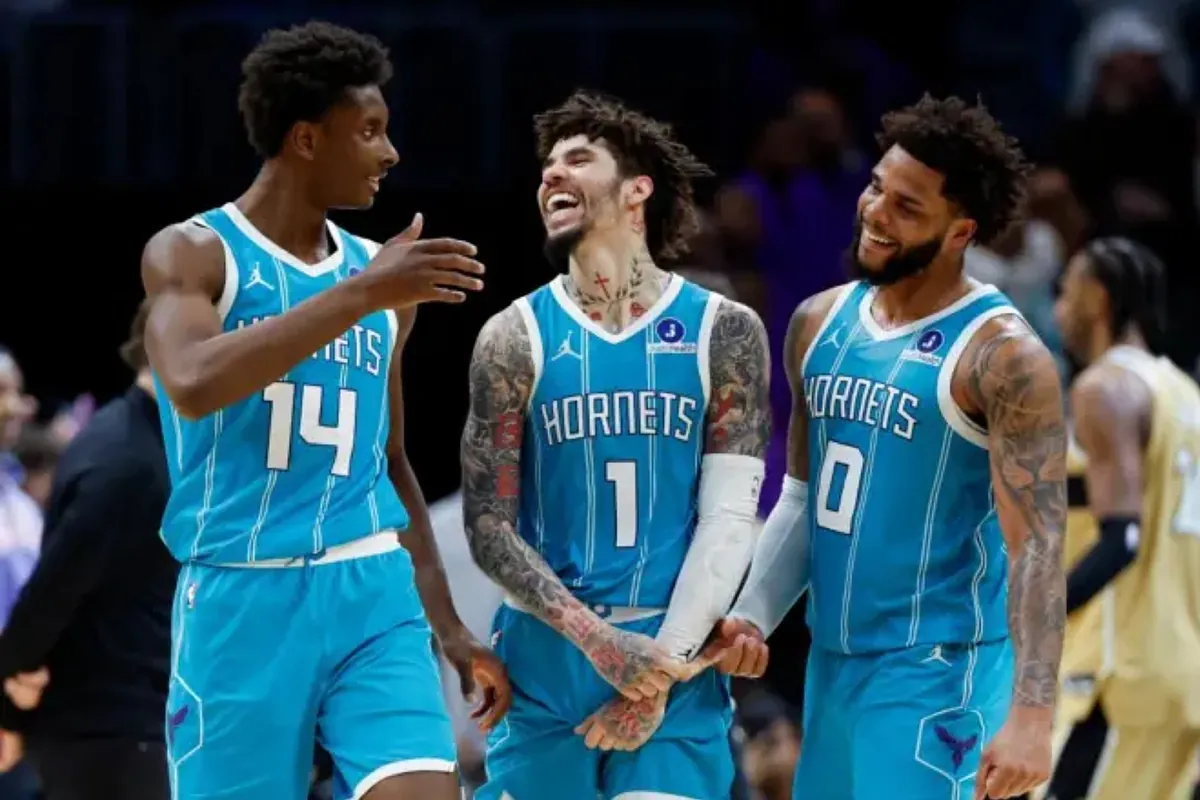
The NBA began to hear, in the early 1980s, a new but tremendously harmful term: tanking. It was the art of losing games, without expressly convincing the players to do so, in order to seek a good position in the Draft. The change to the reverse order in the selection of the best rookies led to this policy, which consisted of sitting the best players on the bench and giving many minutes to the less usual ones.
Initially, this might have seemed like a search to progress young or less-used players, but what was intended was to provoke negative balances to have a better chance in the Draft. In fact, the 1983-84 Houston Rockets, one of the first cases of tanking in the NBA, were awarded the 1984 number 1 pick, the selection of Hakeem Olajuwon and changed their own history.
The changes in the Draft, and the introduction of odds in the top spots in addition to the lottery, curbed the idea of ‘tanking’which, in the new millennium, began to gain momentum again. In 2000, the concept was again used in the media and became more popular among fans. By 2010 it was already a scourge in the NBA that now wants to combat it with more severe punishments.
In fact, according to ESPN, the NBA has reportedly begun to study ways to eradicate ‘tanking’ and has begun rounds of contact among franchise owners, and in a meeting of the board of governors, it reportedly presented some ideas to do so, especially in terms of Draft pick protection and other possible strategies.
In the search to prevent a team from benching important players or simply not playing them during regular season games, the NBA presented some ideas that will have to be studied before approval: Limiting pick protection to the top four or top 14 or higher, which would eliminate problematic mid-lottery protections, not allowing a team to select in the top four two years in a row or locking lottery positions after March 1 are some of them.
With these and other proposals that will emerge, the NBA wants to ensure that teams that are soon out of the running for the Playoffs do not lose motivation to try to win games until the end, or simply do not see the possibility of reward for losing. In fact, the introduction of the Play-In, which in a way rewards positions 9 and 10 in each conference, traditionally doomed to elimination, goes in this direction.
The NBA reminds us that the measures taken to prevent tanking are not against the wishes of a team seeking rebuilding, but to prevent teams from manipulating games and in some way conditioning and adulterating the regular season.
In addition to measures to improve the development of the competition, the NBA is also looking to toughen its punishments. There are recent episodes that show that the current measures are not enough. Dallas, in 2023, sat Kyrie Irving and Luka Doncic to lose a couple of games at the end. The Mavs were fined $750,000 for this, but kept their Draft pick which later, after trading it with Oklahoma, resulted in the selection ofDereck Lively II.
Another case is that of the Philadelphia 76ers. Last year they started the competition as favorites in the East. They had a protected sixth pick, but lost 29 of their last 37 games and ended up moving up three spots to select VJ Edgecombe with the third overall pick.
Or the Jazz, who were fined $100,000 for sitting Lauri Markkanen too much and losing 21 of their last 23 games. But they kept their Draft pick.
The idea would be for teams involved in ‘tanking‘ in the NBA to lose their Draft picks so that deliberately losing games in the regular season would not be of any benefit. It is one of the proposals.
The change in the NBA’s policy on announcing doubts and withdrawals, as a result of the betting scandal that rocked the league a few weeks ago, will also make teams think twice about leaving stars on the bench without an apparent physical problem.
Read the full article here