


The WNBA faces a pivotal moment as the collective bargaining agreement (CBA) deadline nears, and star Caitlin Clark remains outspoken amid stalled negotiations that could shape the future of the league.
The 2020 CBA between the WNBA and the WNBPA increased salaries and benefits and was originally set to last until 2027.
However, just four years later, players invoked the opt-out clause on October 21, 2024, citing the league’s explosive growth and outdated structure.
Negotiations continued behind the scenes, but progress was limited. Tensions boiled over during the 2025 All-Star Game, highlighting frustration with the league’s reluctance to meet player demands.
On July 17, the WNBA and WNBPA met for the first time since December 2024. Attendance was historic, with players like Caitlin Clark and Angel Reese present despite not being union representatives.
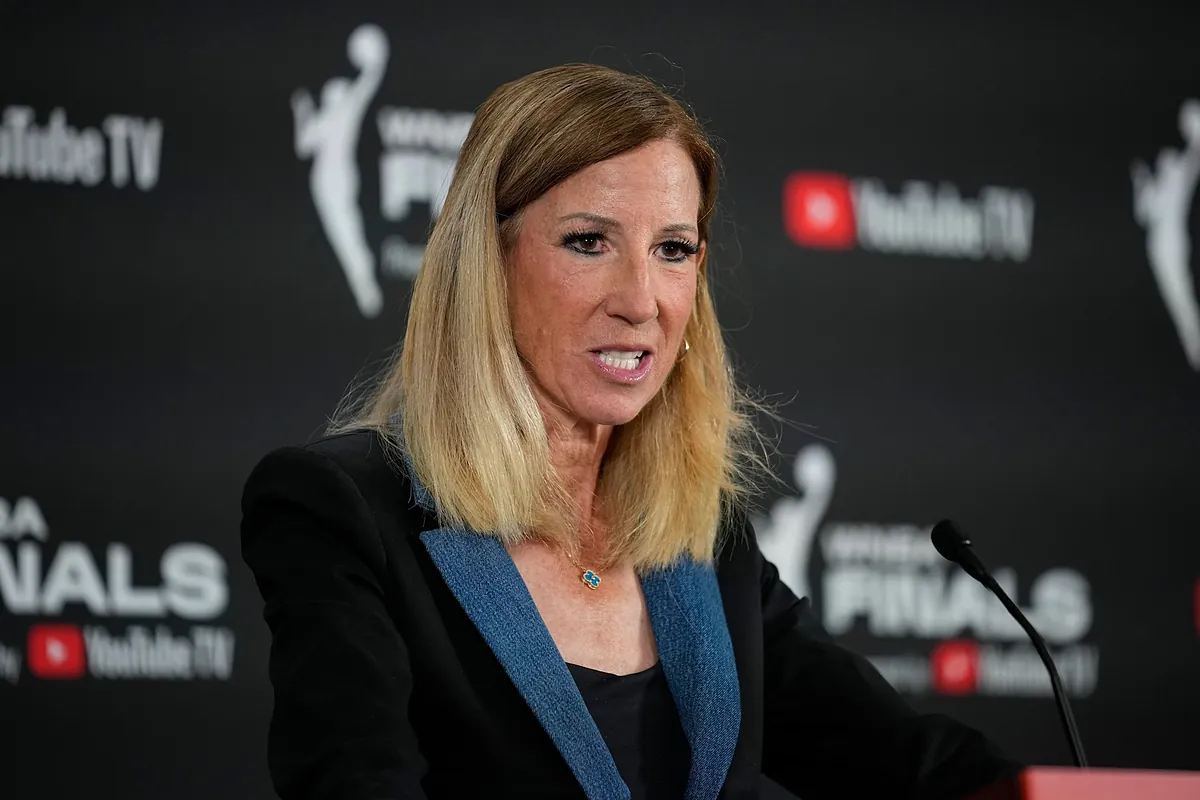
Yet after a two-hour session, many left feeling ignored, while WNBA Commissioner Cathy Engelbert insisted a deal would be finalized on time.
Players amplified their protest, wearing shirts during pregame warmups reading: “Pay Us What You Owe Us.” Satou Sabally described the league’s initial proposal as a “slap in the face,” echoing the sentiment of Sophie Cunningham, Sydney Colson, and WNBPA President Nneka Ogwumike.
While the WNBA increased supermax salaries to $850,000 and the veteran minimum to $300,000 in early October, the primary demand-revenue sharing-remained unaddressed.
Revenue sharing and player compensation remain key sticking points
The WNBPA has consistently pushed for a model similar to the NBA, where the salary cap is tied to a fixed percentage of basketball-related income-44.74% in 2025.
In November, the league proposed max salaries above $1.1 million and an average salary over $460,000, with a minimum above $220,000, but the players rejected the deal, citing insufficient revenue-sharing measures.
In early December, reports indicated maximum salaries were raised to $1 million, with revenue-sharing projections potentially pushing top earners above $1.2 million.
Average salaries were expected to exceed $500,000, and minimums were set to rise above $225,000. However, players criticized league proposals to cut team housing and start the season as early as mid-March. Natasha Cloud highlighted the impact on younger players navigating leases in major markets.
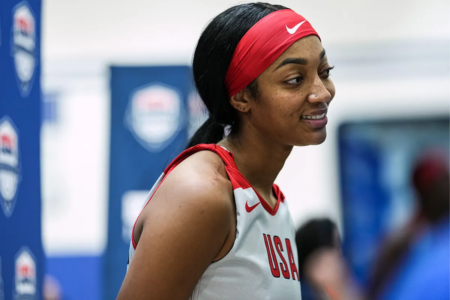
Speaking at Team USA camp, Caitlin Clark emphasized the stakes: “The biggest moment the WNBA has ever seen…fight for everything we deserve,” adding, “That’s what our fans crave – the product on the floor.
That’s what the fans want to show up for. So, it’s business, and it’s a negotiation, and there has to be a compromise on both sides.” WNBPA Vice President Kelsey Plum called the process “a little bit disheartening,” noting frustration with how far apart the sides remain.
With the January 9 deadline approaching, the WNBA and WNBPA face critical choices: accept the opposing side’s proposal, continue negotiations, or risk a strike or lockout. Revenue sharing, player compensation, and league sustainability remain at the heart of a dispute that could define professional women’s basketball for years to come.
Read the full article here