


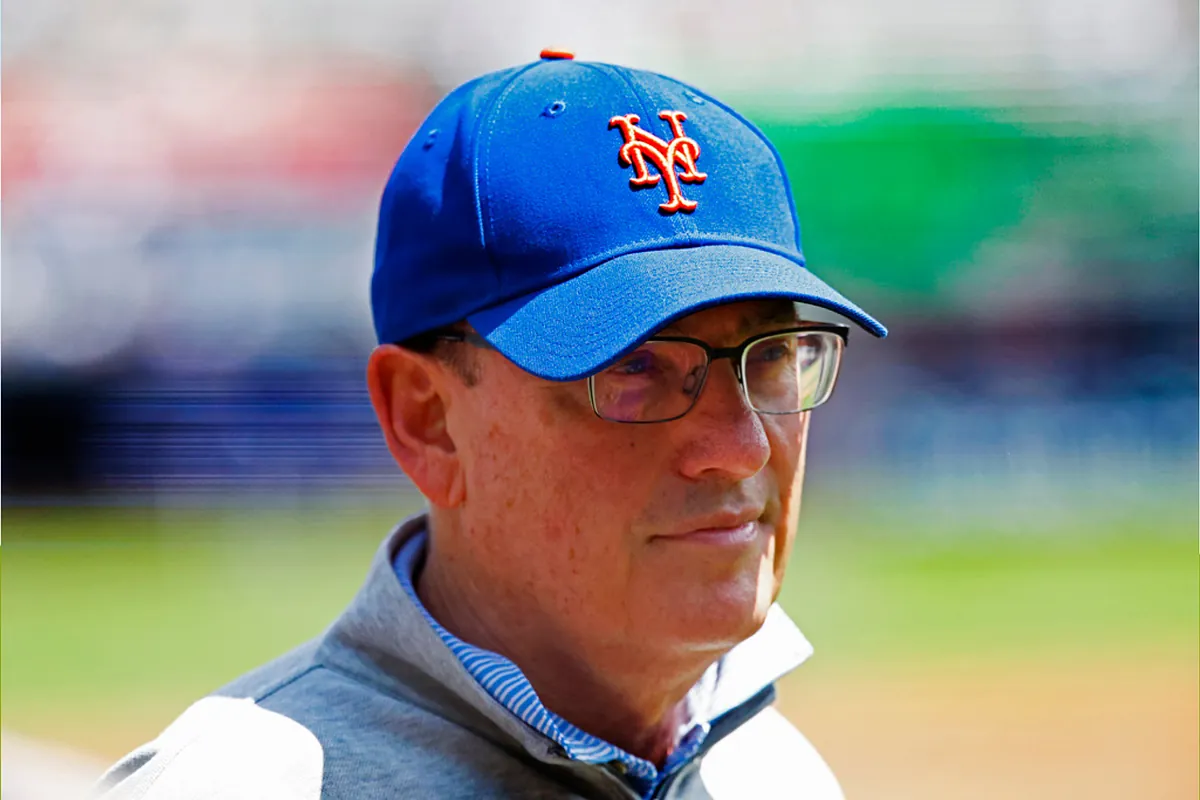
The New York Mets endured one of the most dramatic offseasons in recent memory – full of near-misses, emotional departures, and late pivots that reshaped the roster. For weeks, owner Steve Cohen remained unusually quiet. Now, with the team assembled and spring preparation underway, he has finally explained the decisions behind the exits of Pete Alonso and Edwin Díaz, the failed pursuit of Kyle Tucker, and the eventual move for Bo Bichette.
Cohen acknowledged that letting familiar faces leave wasn’t easy for fans or ownership.
I can totally understand how the fans felt when they’re losing players that they develop relationships with. Listen, change is hard. With Pete, under the right circumstances, we could have gotten something done. But we weren’t going to go five years… we just decided it wasn’t going to work for us.
Why Pete Alonso and Edwin Díaz left New York
The biggest shock for many supporters was the departure of franchise slugger Pete Alonso. According to Cohen, the disagreement centered on contract length. The Mets reportedly preferred a shorter commitment, wary of guaranteeing long-term money to a player entering his 30s, while another club offered a five-year deal.
From a front-office perspective, it was a risk calculation rather than a lack of interest. The organization believed flexibility mattered more than sentiment, even if the decision hurt publicly.
The Edwin Díaz situation, however, surprised even ownership.
I did find that one perplexing. I’m not sure exactly how Edwin arrived at that decision.
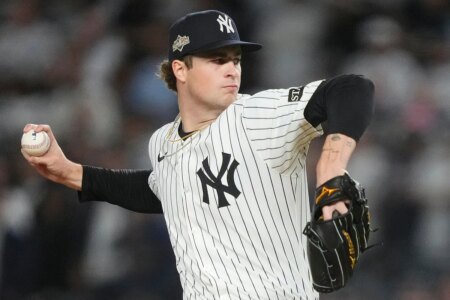
The Mets’ offer reportedly landed close to the deal Díaz ultimately accepted elsewhere, but the team felt protected after acquiring reliever Devin Williams. That move gave management confidence to walk away once negotiations intensified.
Instead of matching the market at any cost, the club chose roster balance – a philosophy that defined the entire winter strategy.
The pivot from Kyle Tucker to Bo Bichette
Another turning point came when the Mets missed out on star outfielder Kyle Tucker. Rather than scrambling, the front office had already prepared an alternative plan. Cohen praised the preparation that led to landing Bo Bichette.
That’s the beauty of our front office… they were talking to Bo while we were in the middle of the Tucker conversation. There was no guarantee Tucker was going to come to us.
The move illustrated a layered approach: pursue elite talent aggressively while keeping a premium fallback option ready. In the end, New York secured a high-impact hitter without being left empty-handed.
Still, questions remain – especially in the bullpen. Without Díaz anchoring the late innings, the relief unit lacks proven depth, and injuries have added uncertainty. Williams’ recent inconsistency has also made fans uneasy despite his strong résumé.
Cohen believes the roster is competitive, but the strategy is clear: avoid risky long contracts, maintain flexibility, and trust depth over star power alone. Whether that calculated offseason leads to wins will ultimately be decided on the field, but the Mets’ approach signals a shift toward sustainability rather than splashy spending.
Read the full article here