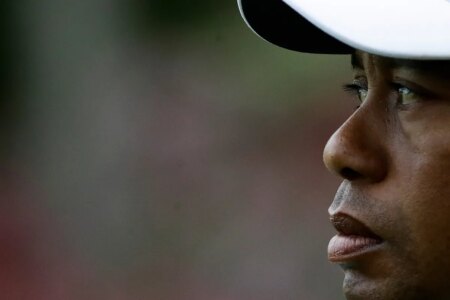


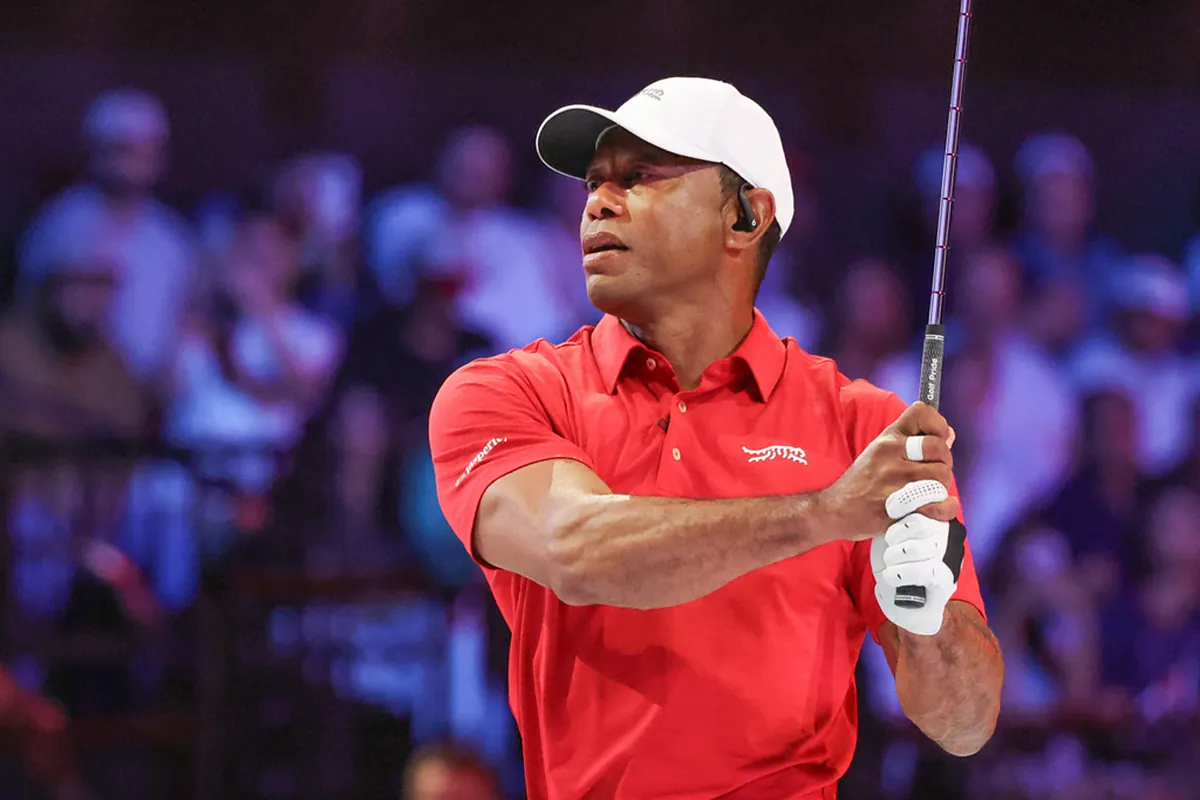
The flashing lights on a quiet road told a story that felt all too familiar. For Tiger Woods, another off-course incident has reignited difficult questions-about accountability, pressure, and the system surrounding one of golf‘s most iconic figures.
Following his latest DUI arrest on March 27, the conversation has quickly shifted from the incident itself to what it represents.
Tiger Woods DUI arrest sparks debate over responsibility and pressure
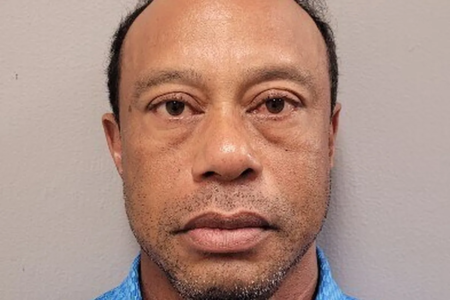
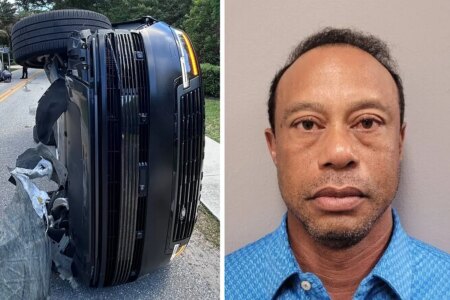
Tiger Woods was arrested after authorities found him impaired while driving a Land Rover on a residential road. According to reports, his vehicle had turned sideways while attempting to overtake another car.
A breathalyzer test registered 0%, but Woods refused to take a urine test, which led to his arrest. He was later released on bail after spending approximately eight hours in custody.
This marks his third major vehicular-related incident since 2017, adding weight to concerns about a pattern. Legal consequences are still pending, and given his history, they could be significant.
As details emerged, reactions across the golf world revealed a divide in how responsibility should be assigned. Golf analyst Brendan Porath pointed not only to Woods‘ personal decisions but also to the environment around him-particularly the demands placed on him by modern golf ventures.
“He’s on TV because of the TGL… they’re going to squeeze every drop they can out of him,” Porath said, suggesting that organizations benefiting from Woods’ presence share part of the burden.
Porath emphasized that while Woods retains agency, the ecosystem around him-including media, tours, and business ventures-may contribute to sustained pressure.
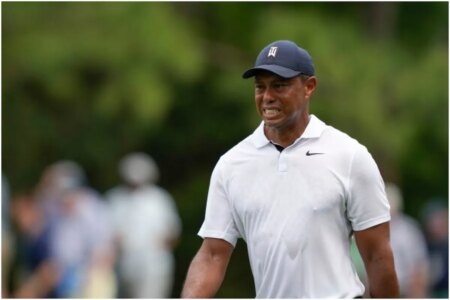
Woods has remained a central figure in projects like the TGL and his leadership role within the PGA Tour’s Future Competitions Committee, even as his health has fluctuated in recent years.
The numbers highlight that influence. His recent TGL appearance drew nearly one million viewers, the highest of the season, reinforcing how valuable his presence remains to the sport’s visibility.
At the same time, critics argue that accountability must remain firmly with Woods himself. Former PGA Tour winner Mark Lye called for immediate consequences, including potential suspension and removal from prominent roles.
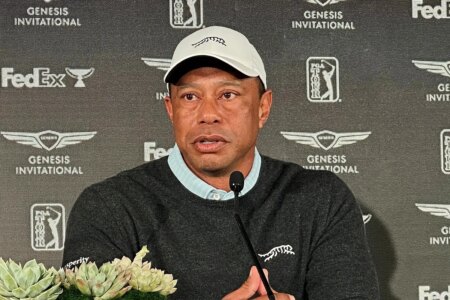
“First domino should be to take Tiger’s name off [the Genesis Invitational]… not a good look,” Lye said, also questioning Woods’ continued leadership positions within the sport.
The contrasting reactions reveal a broader tension within golf. On one side is the recognition of Woods‘ enduring influence-his ability to draw audiences, shape conversations, and elevate events. On the other is the expectation that such stature comes with heightened accountability.
Context also matters. Since his 2021 surgery, Woods has struggled to return to consistent competitive form, dealing with ongoing physical limitations. Despite that, his involvement in high-profile roles-from hosting tournaments to shaping the tour’s future-has only expanded.
Porath‘s argument suggests that this dynamic may not be sustainable, raising questions about whether Woods is being asked to carry too much, too often. Meanwhile, Lye’s stance reflects a more traditional view: that personal responsibility outweighs any external pressures.
Read the full article here