



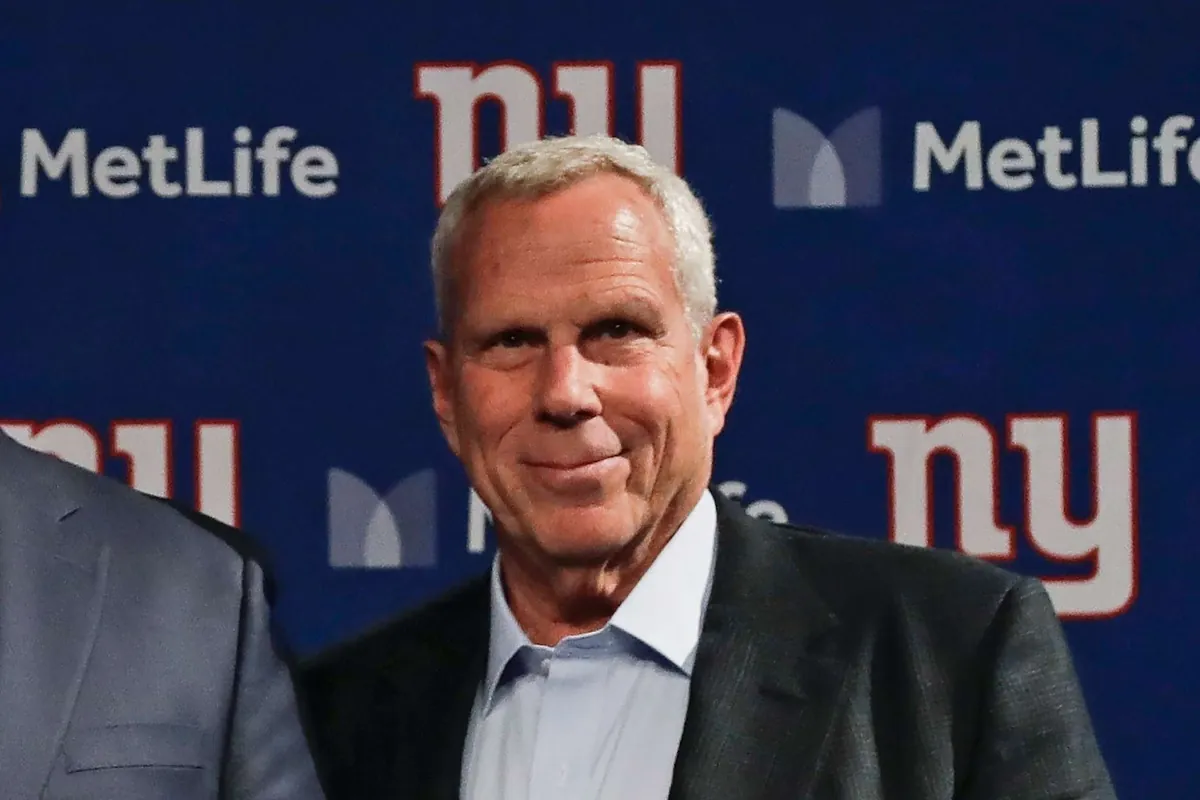
In the world of modern public relations, the strategy in the face of a scandal is often silence: do nothing, say nothing, and wait for the world to become distracted by the next controversy. This appears to be the NFL’s tactic amid the growing evidence linking Giants co-owner Steve Tisch toJeffrey Epstein’s network.
Despite the seriousness of the revelations, the league has chosen a stance of inaction that many are already calling corporate protection of its owners – a measure that may not be appropriate given the steady flow of information.
During his Super Bowl press conference, Commissioner Roger Goodell was forced to address the issue. However, his response was evasive. According to analysts such as Mike Florio, the league has entered a “pre-investigation” phase – in other words, they are investigating whether they actually need to investigate. This position ignores the fact that the emails are already public and their content is explicit.
The NFL rulebook is clear. The Personal Conduct Policy includes a clause prohibiting any “conduct that undermines or puts at risk the integrity of the NFL, its clubs, or its personnel.” The question now shaking American sports is: Doesn’t sending and receiving emails that objectify women in lascivious terms put that integrity at risk? The lack of action sends a powerful message: apparently, for the NFL, it does not.
Background: From reports to exclusive
This credibility crisis did not emerge out of nowhere. In early February, reports from the Associated Press (AP) brought Tisch’s name to light in Epstein’s court documents. At the time, the Giants attempted to minimize the situation by describing it as a “brief association.”
However, The Athletic’s investigation dismantled that defense. The report detailed that the relationship was not fleeting but lasted for years. Emails show that just three weeks after meeting in 2013, Tisch and Epstein were already exchanging messages in “lascivious terms” about women. Epstein even offered Tisch an “aspiring actress with a 10 backside” and warned: “Send me a number to call, I don’t like records of these conversations.”
The case evokes the ghost of Dan Snyder (former owner of the Commanders), where the league acted only when the financial interests of the other owners were affected. “If emails like these can bring down a coach, they should be enough for an owner,” critics of the process argue.
However, in the NFL, the owners are the league, and there appears to be a systemic fear of applying a standard that, in the future, could turn against any of them.
Read the full article here