




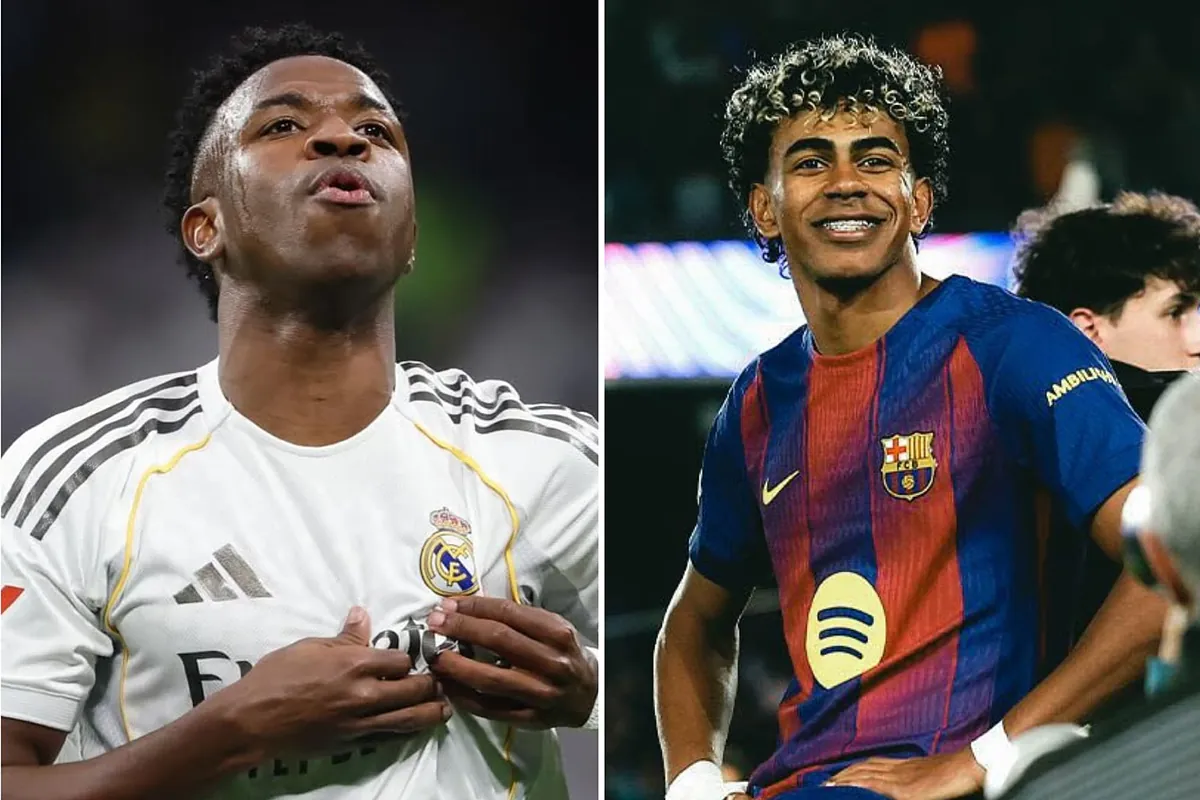
Sport has witnessed the changes that can occur in society if great figures decide to fight for the same cause. For many years, there has been a constant in which racism has overshadowed sport because of the unpleasantly strong presence it has had within stadiums. The spotlight often shifts to the stands, where abuse ends up weighing more than what happens on the pitch, completely eclipsing the game.
In this context, both Vinicius Jr. and Lamine Yamal have been the target of such attacks. Two of the most visible young figures in football today who, beyond their talent, share an uncomfortable reality: to be frequent targets of racist abuse. Beyond the teams they represent; as much as they are rivals on the pitch and the history that precedes them; this issue goes beyond sport or the colours they represent, it is a global issue to be resolved without regard to teams or preferences.
A clear message between figures
The difference now is the approach. Vinicius not only reacted to what happened with Yamal during the match between Spain and Egypt, but also took the opportunity to send a direct message: it is key that the victims speak out and that the players stick together.
The Brazilian, who has already been one of the most active voices against racism in European football, made it clear that this is not an individual problem. He also stressed that this fight must be maintained over time and together, inviting Yamal to continue to speak out as he has done. In addition, he pointed out a broader reality: although footballers have visibility and resources, there are many people who face these situations with less support, so the responsibility to generate change is even greater.

More than a gesture, a strategy
The support for Yamal also marks an important point in how these situations are dealt with. It’s no longer just about calling it out, but about generating constant pressure so that there are real consequences.
In this sense, Vinicius’ call points to something broader: visibility, support among players and continuity in the discourse. He also made it clear that racism does not define entire countries, but is a problem present in all societies, reinforcing the need for a global response. For young figures like Yamal, such support not only validates their experience, but also protects them in an environment where silence has often been the norm.The message has been clear: the more voices that join in, the harder it will be to ignore the problem. And that, in a sport with such global exposure, can make a difference.
Read the full article here