



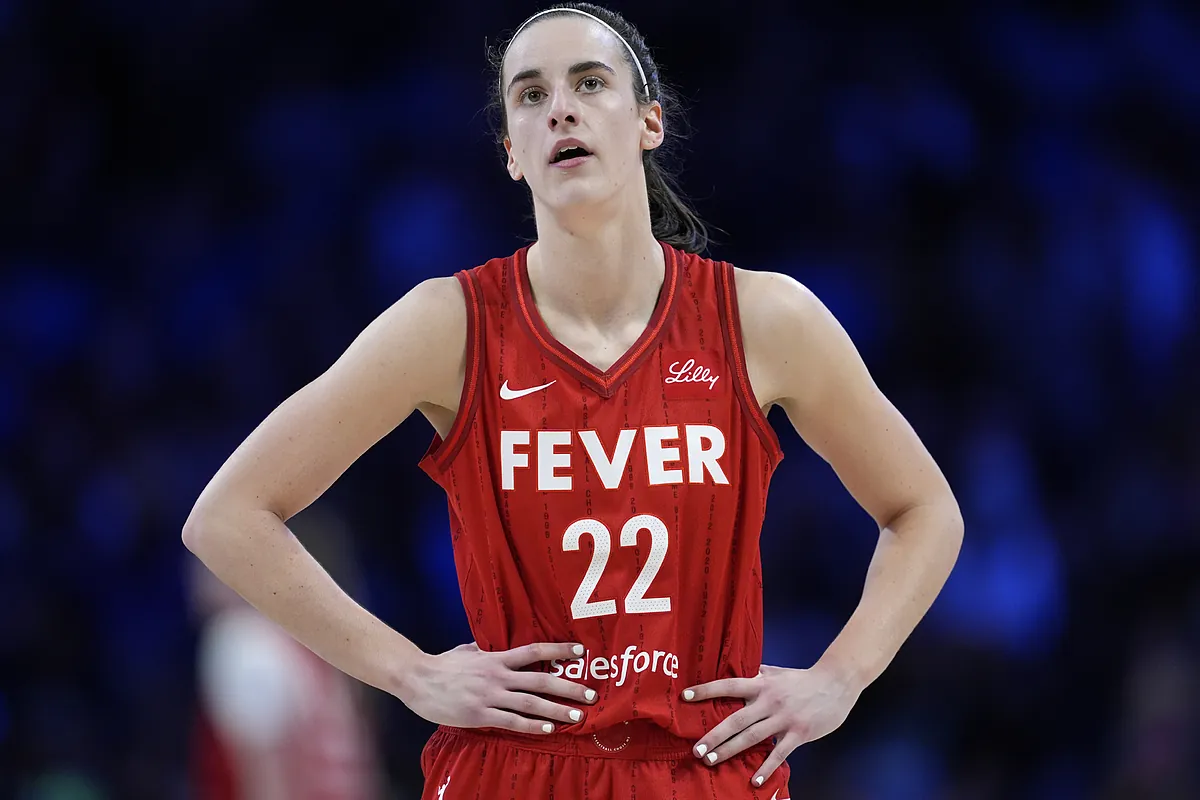
Women’s basketball has taken a major leap in how it is perceived globally. Since the arrival of stars like Caitlin Clark, the league hasn’t just gained new fans – it has seen packed arenas, surging jersey sales, and a level of visibility that is starting to approach men’s sports. While the gap hasn’t fully closed, the path toward a more balanced future now feels shorter than ever.
That shift is now translating into something players have long pushed for: better pay. Following the newly agreed collective bargaining framework between the WNBA and its players’ union, salaries across the league are expected to rise significantly – and Clark is one of the biggest names set to benefit.
What is actually changing with the new WNBA salaries?
The new agreement introduces a substantial increase in player compensation, with top-tier salaries projected to reach or exceed $1 million annually for the first time in league history. For players like Clark, that could mean a salary jump several times higher than her current rookie-scale earnings.
However, it’s important to understand that these increases won’t happen overnight. The deal still needs to be fully finalized and implemented, and contract structures – including maximum and “supermax” tiers – will determine how much each player can actually earn in a given season.
Clark, currently on a rookie contract with the Indiana Fever, is still bound by the league’s existing rookie pay scale for now. That means her biggest financial jump will likely come once she becomes eligible for a new contract under the updated system.
Why Caitlin Clark’s raise is bigger than just her paycheck
Focusing only on Clark’s salary risks missing the bigger picture. Her impact has been a driving force behind the league’s financial growth – from record TV ratings to increased sponsorship deals – which helped make this kind of agreement possible in the first place.
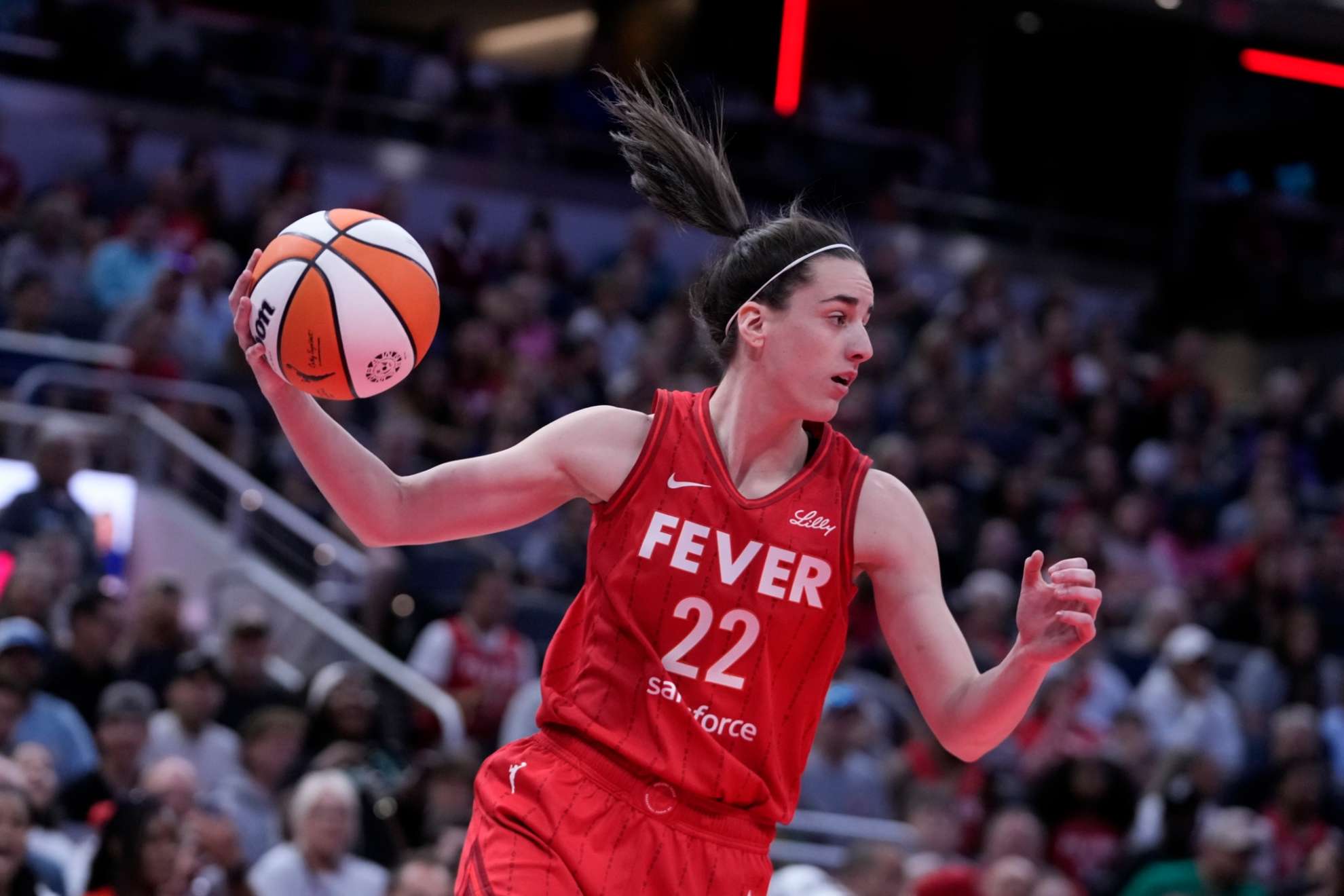
In other words, her future pay raise isn’t just a reward; it’s a reflection of the value she and other players are bringing to the league. At the same time, even with the projected increases, WNBA salaries will still trail those in men’s leagues like the NBA. The new deal narrows the gap, but doesn’t eliminate it – especially when it comes to maximum contracts and overall league revenue.
What to watch next
The key question now isn’t just how much Clark will earn – it’s when and under what terms. The timeline for the new CBA’s full rollout, combined with contract eligibility rules, will determine how quickly players can access these higher salaries.
For fans, this moment offers clarity on where the league is headed: steady growth, stronger financial backing, and a new generation of stars reshaping the business of women’s sports.
And while Clark’s future paycheck will likely grab headlines, the real story is simpler – the WNBA is entering a phase where its biggest talents are finally starting to be paid closer to their true market value.
Read the full article here