



The WNBA’s collective bargaining negotiations are no longer simmering quietly in the background. They are now firmly in the open, with players making it clear they are prepared to escalate if talks continue to stall.
On Thursday, the Women’s National Basketball Players Association announced that its executive committee has been authorized “to call a strike when necessary.”
Reporting from Front Office Sports’ Annie Costabile added important context. The vote does not mean a walkout is imminent. Instead, it reflects how strongly players feel about their position at the table.
According to Costabile, 93 percent of WNBA players participated in the vote, and 98 percent supported authorizing a strike if negotiations fail to move forward.
That kind of turnout is rare and intentional. It shows unity, not urgency.
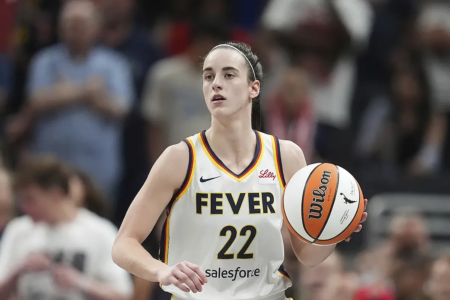
Still, the numbers immediately sparked speculation online. On X, fans zeroed in on the tiny fraction of players who did not vote in favor. With no names released, guesswork filled the gap, and one name surfaced repeatedly: Caitlin Clark.
“Caitlin Clark probably part of the 2% that voted no,” one fan wrote.
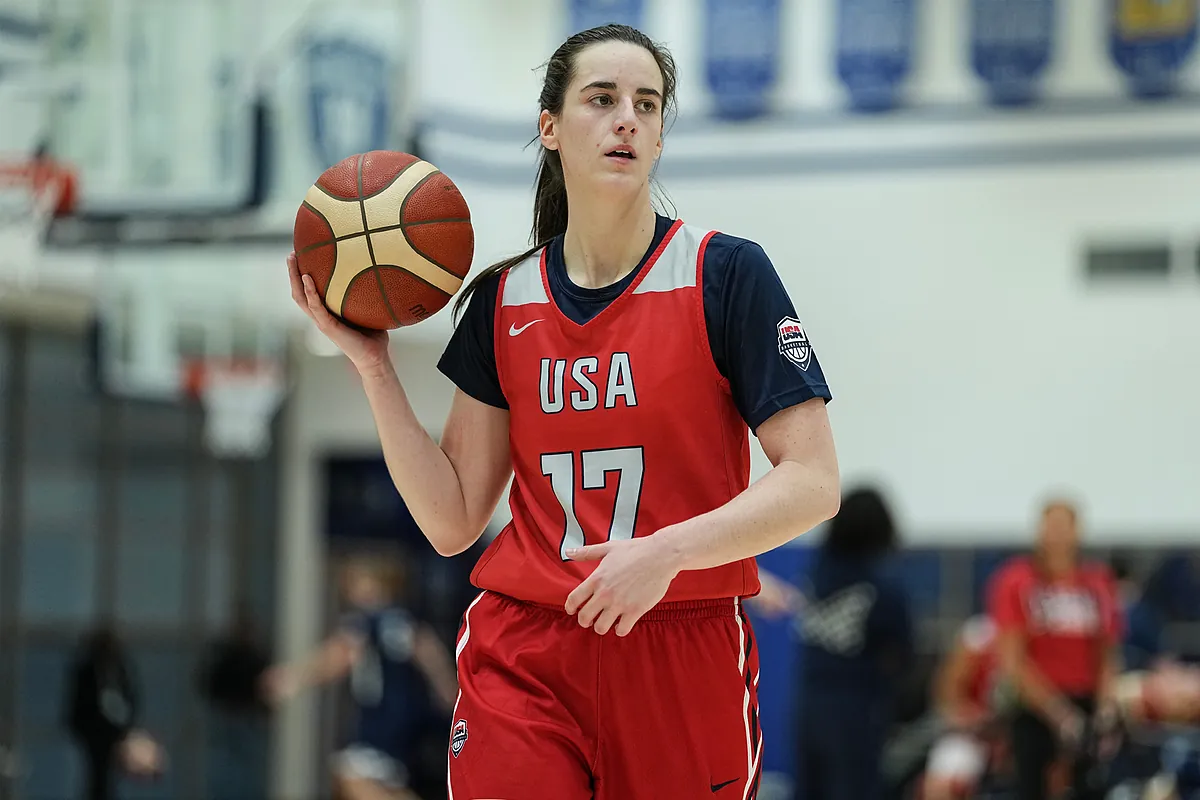
The theory stems from comments Clark made last week during USA Basketball training camp, where she spoke about balance in the ongoing negotiations.
Rather than framing the talks as a binary fight, Clark emphasized the need for both sides to meet somewhere in the middle, while also acknowledging the practical reality of the league needing to continue.
She said there should be a “compromise on both ends” as players “need to play basketball” next season.
Those remarks previously drew criticism from some fans who viewed them as too cautious. With the strike authorization vote now public, that criticism resurfaced, even though there is no confirmation of how Clark or any individual player voted. The union has not disclosed that information.
What the vote actually changes and what it doesn’t
The strike authorization comes after more than a year of negotiations that have yet to produce a new deal. The current CBA was originally scheduled to expire on October 31, but both sides agreed to keep talking rather than let it lapse. First came a 30-day extension pushing the deadline to November 30. Then a 40-day extension moved it again, this time to January 9.
Despite those extra months, the WNBPA has said the league and players remain far apart. While specific sticking points have not been fully aired publicly, the vote itself suggests frustration has been building behind closed doors.
Authorizing a strike does not force one. It gives the union the ability to act quickly if talks collapse and, just as importantly, it tells the league that the threat is real. Labor experts often describe these votes as pressure tools rather than countdown clocks.
The fan reaction, particularly around Clark, highlights how certain players become symbols in debates much larger than their own words. Her call for compromise was not a rejection of collective action, but in the hyper-charged space of labor negotiations, nuance rarely survives intact.
Read the full article here