



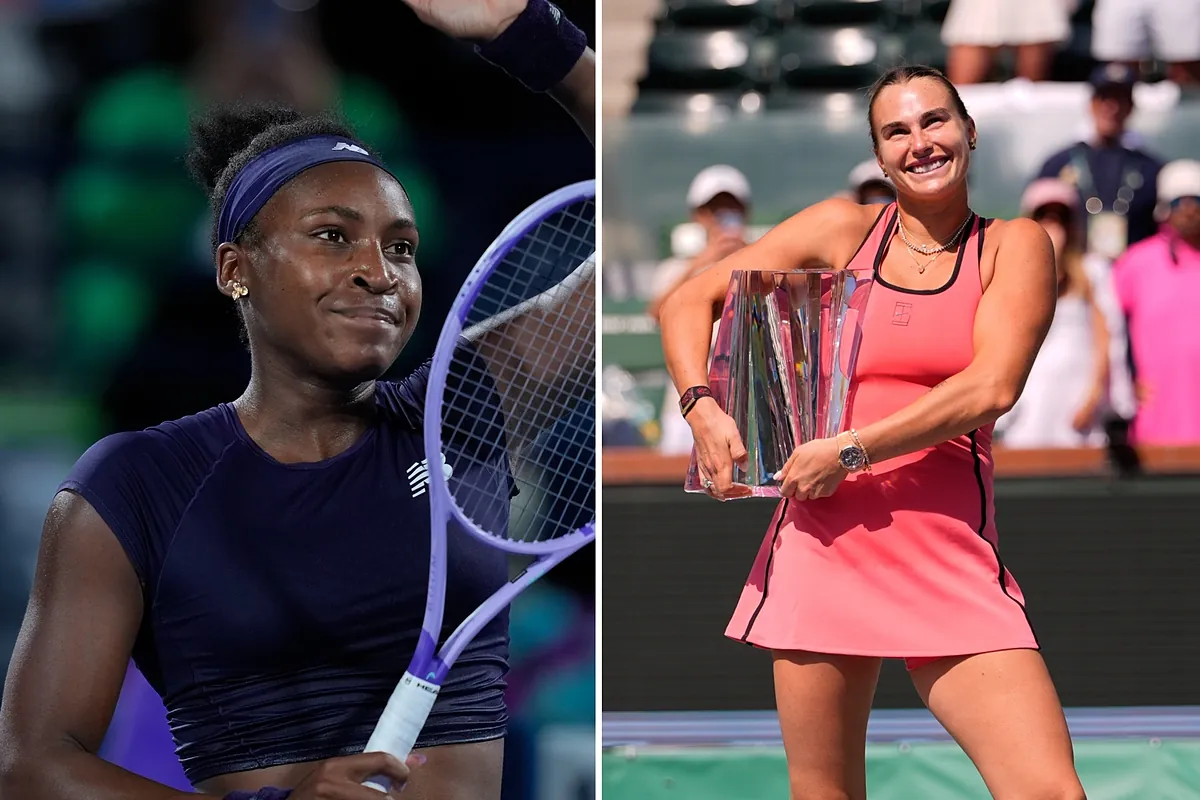
The recent exchange surrounding Aryna Sabalenka’s withdrawal from the Dubai Tennis Championships has sparked wider debate about player welfare and scheduling demands. Sabalenka, the world No. 1, chose to skip the event shortly after a physically and emotionally taxing run at the Australian Open, citing fatigue and lingering injuries.
Her decision, however, drew public criticism from Dubai tournament director Salah Tahlak, who expressed disappointment over the late withdrawal.
In response, Sabalenka voiced strong frustration, arguing that her health should take precedence over commercial interests. She suggested that tournament organizers should be more understanding of the pressures players face across a packed calendar.
“They just care about their ticket sales, about their tournament, and that’s it. His comment was ridiculous,” said Sabalenka.
Her remarks added to an ongoing conversation in professional tennis about how to balance the business side of the sport with the physical and mental demands placed on athletes who compete nearly year-round at the highest level.
Support from Gauff
World No. 4 Coco Gauff stepped into the conversation ahead of the Miami Open, offering clear support for Sabalenka‘s stance. Gauff emphasized that the comments made by the Dubai official were unnecessary, acknowledging how difficult it is for players to manage recovery while fulfilling tournament obligations.
Her viewpoint reflects a growing awareness among top competitors that scheduling pressures can directly impact performance and career longevity.
Sabalenka‘s concerns have also been echoed by other leading players, including world No. 2 Iga Swiatek, who also withdrew from the Dubai event. Both athletes have maintained consistent participation in major competitions, making their decisions to skip certain tournaments less about reluctance and more about preserving their long-term health.
Their actions highlight how recovery, both physical and mental, has become an essential component of modern elite tennis.
The broader context includes tightly packed events such as the Australian Open, the Dubai Tennis Championships, and the Miami Open, which often leave limited time between tournaments. This condensed schedule can make it challenging for players to fully recover, particularly after deep runs in Grand Slam competitions.
As a result, discussions around potential calendar reforms have gained traction within the tennis community.
“I just feel Iga and Aryna have played that tournament so many times, and it wasn’t anything personal to it. It’s tough. We’re trying our best to play the calendar,” said Gauff.
After taking time to recover, Sabalenka returned to competition in strong form, capturing the BNP Paribas Open title at Indian Wells. That victory marked a positive shift following the controversy.
As the season continues, the dialogue between players and organizers remains ongoing, with figures like Gauff and Sabalenka helping to bring attention to the importance of player welfare.
Read the full article here