


When the 2026 NFL free agency period opened, the Brett Veach-led Kansas City Chiefs made headlines by addressing longstanding roster needs, most notably signing Super Bowl MVP running back Kenneth Walker III to a three-year, $45 million contract. That move was widely seen as a necessary jolt to an offense that sputtered in 2025.
But while the offense made headlines, an equally dramatic reshaping of the defense, especially the secondary, has captured an increasing share of the conversation around Chiefs Kingdom.
After years of building one of the NFL’s stingiest secondaries, the Chiefs have watched multiple key contributors depart, leading some pundits to question whether the cost of strengthening one side of the ball has inadvertently weakened another.
A different kind of offseason narrative
Gone from Kansas City‘s defensive backfield are cornerstone figures from the team’s recent run of success. All-Pro cornerback Trent McDuffie, one of the Chiefs‘ best coverage defenders, was traded to the Los Angeles Rams for significant draft capital, including a first-round pick in 2026 and additional future selections.
In free agency, cornerback Jaylen Watson and safety Bryan Cook opted for lucrative deals elsewhere, signing long-term contracts with the Rams and Cincinnati Bengals, respectively.
Alongside those moves, linebacker Leo Chenal also departed in free agency, further diminishing the veteran experience on the defensive side.
The turnover of so much defensive experience has prompted a shift in how both analysts and fans view the Chiefs‘ offseason.
Some see the moves as smart cap management and forward-looking roster engineering; others see a secondary suddenly devoid of the cohesion and playmaking ability that was once a defining part of Kansas City‘s identity.
To stabilize the back end, the Chiefs signed veteran safety Alohi Gilman to a three-year deal, hoping his experience can anchor a younger group. However, Gilman‘s addition alone hasn’t quelled the concerns of those who point to extensive departures and limited proven replacements.
Proponents of the moves argue the Chiefs have swung aggressively to reset the roster while creating cap flexibility and stockpiling picks. By trading McDuffie, the team yielded a premium draft return that could be used to build up depth in the draft or address needs elsewhere.
Critics contend that free agency, especially early in the offseason, is not the time to experiment with replacing elite coverage talent through the draft alone.
Cornerbacks and safeties with proven NFL experience rarely come cheap, and while the Chiefs‘ draft record in the secondary has been strong in past years, the jump from prospect to full-time starter is far from guaranteed.
At the same time, the Chiefs are betting on adding explosive offensive playmakers like Walker, they are entrusting defensive coordinator Steve Spagnuolo and new pieces to shore up what was once a strength of the team.
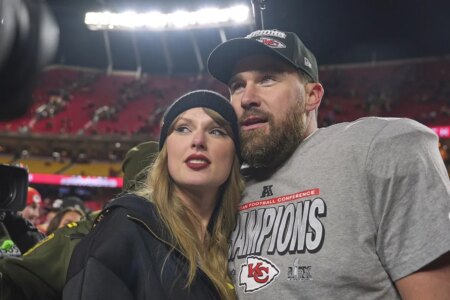
Offensively, the retention of tight end Travis Kelce for another season adds continuity to the Chiefs‘ attack, though that story received ample coverage independent of the defensive questions being raised.
Read the full article here