



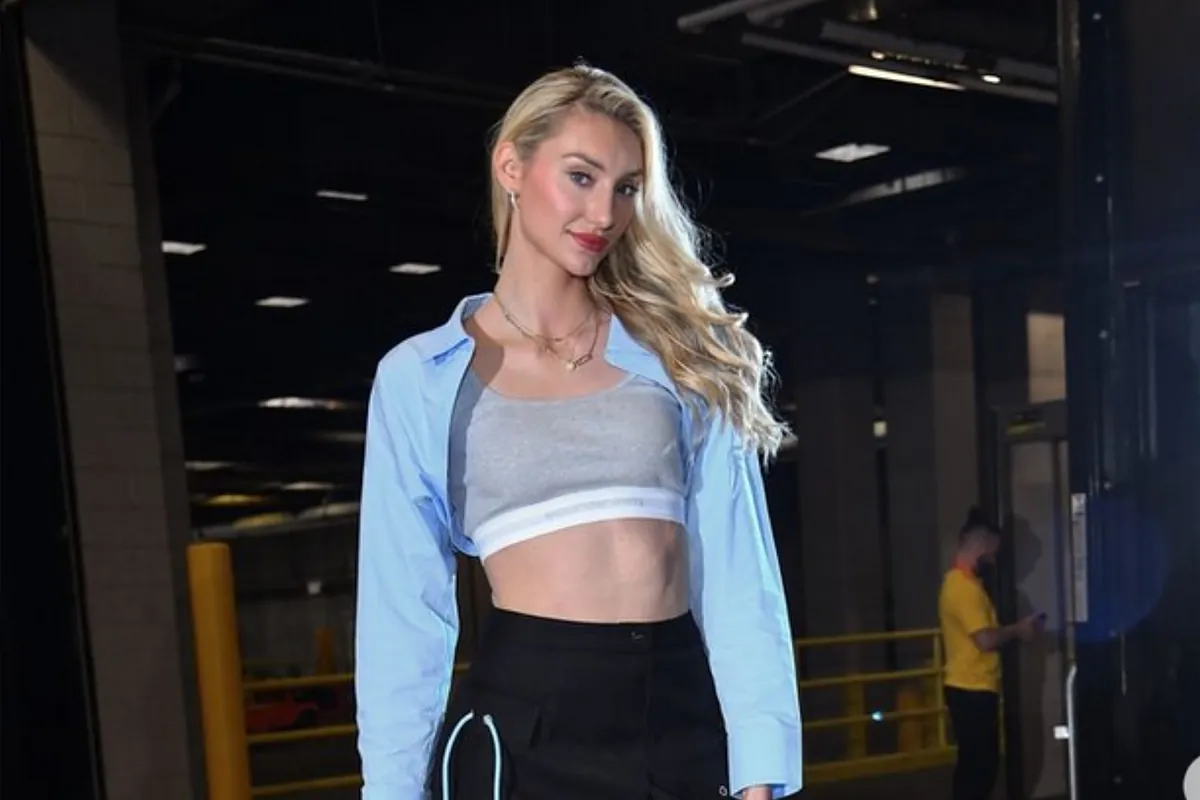
Cameron Brink, forward for the Los Angeles Sparks, recently revealed that her private chef costs more than her entire WNBA salary, highlighting the stark pay disparity between men and women in basketball.
During a recent episode of her Straight to Cam podcast, she revealed that her private chef costs $7,000 per month for her and fiancé Ben Felter, which exceeds her WNBA monthly salary of roughly $6,500, a reality she has highlighted before.
“I tried to hire a private chef when I was injured, but it ended up being like…” Brink said in 2025. “I think the main issue was she shopped at Erewhon every single time. It’s just too expensive.
“I don’t have an NBA salary, unfortunately.”
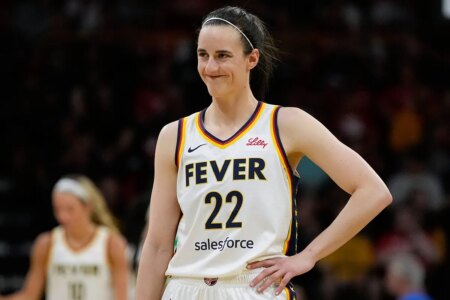
Brink, the No. 2 overall pick in the 2024 WNBA Draft, was selected immediately after generational prospect Caitlin Clark went first overall to the Indiana Fever, generating significant hype for Los Angeles’ rebuilding roster.
Unfortunately, a torn ACL limited Brink’s contributions, restricting her to just 34 games over her rookie and sophomore seasons, where she averaged 5.1 points and 4.3 rebounds per game, according to ESPN statistics.
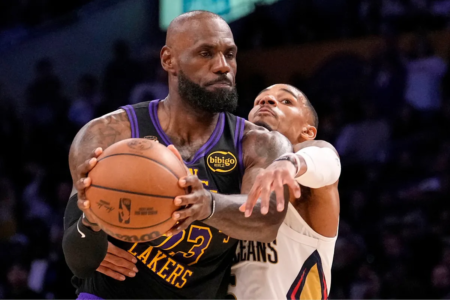
To illustrate the contrast, NBA superstars like LeBron James spend millions annually on personal chefs, cryotherapy, and training programs – a clear reflection of resources available at the top level in men’s basketball.
Meanwhile, WNBA athletes have historically had to play overseas during the offseason just to supplement their income, a practice that underscores the structural inequities in professional basketball salaries across genders.
Did Cameron Brink send a message to the WNBA amid the CBA negotiations?
So, Brink’s comments arrive amid high-stakes discussions between the WNBA and the Women’s National Basketball Players Association over the new CBA, in which players are pushing for higher salaries and improved working conditions.
Historically, WNBA athletes have had to compete in international leagues during the offseason to maintain a livable income, a necessity that highlights the stark disparity compared to NBA counterparts like Magic Johnson, LeBron James, and Michael Jordan, who have leveraged massive earnings into billionaire status.
By revealing that her private chef costs more than her WNBA pay, Brink illustrated the gap between resources available to NBA and WNBA players, a disparity the union hopes to address through the upcoming CBA negotiation.
The WNBPA is advocating for salaries that reflect the league’s growth, greater investment in player benefits, and improved travel standards, aiming to provide financial security without forcing athletes to rely on supplemental overseas contracts.
Amid looming contract negotiations, the WNBA set a March 10 deadline for a new Collective Bargaining Agreement, warning that failure to reach a deal could delay the 2026 season and create uncertainty for players and teams alike.
The league recently proposed a raise that would increase the average salary from $120,000 in 2025 to $540,000 in 2026, a significant boost, though it still pales compared to NBA earnings and underscores the structural pay gap in professional basketball.
This dialogue is particularly relevant as the March 10 CBA deadline approaches, signaling that the league and players must find common ground to avoid disruptions with the potential of a lockout on the cards – and Brink seems to be amplifying the pressure.
Read the full article here