


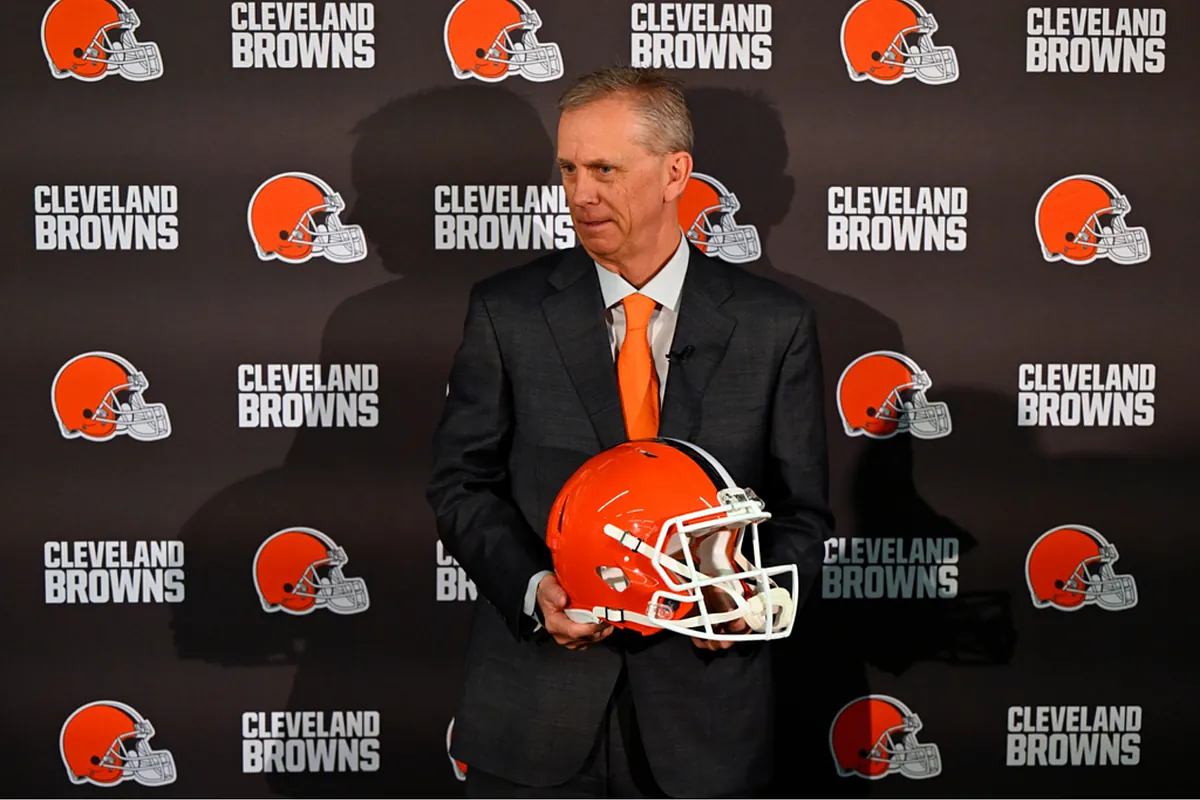
The NFL may soon give teams significantly more flexibility when it comes to dealing draft capital. According to a source with knowledge of the situation, the Cleveland Browns have formally proposed an amendment to Article XVI, Section 16.6 of the NFL Constitution & Bylaws that would allow teams to trade draft selections up to five seasons into the future.
At present, clubs are limited to moving picks three years out – a restriction that, while long understood across the league, is not explicitly spelled out in the governing document itself.
Cleveland‘s proposal would formally expand that window by two additional years. If approved, the change would represent a notable philosophical shift in roster-building strategy.
To pass, the measure requires 24 of the league’s 32 owners to vote in favor. The issue is expected to be discussed at the league meetings in March and could be voted on then.
However, as with many proposed amendments, it also could be tabled until the May meetings if consensus proves elusive.
What the risks attached to such a proposal?
At its core, the proposal raises a broader question: How much freedom should teams have when it comes to mortgaging their futures?
Currently, clubs can deal first-, second-, or later-round selections only three drafts ahead.
Expanding the window to five years would give aggressive front offices more runway to construct blockbuster trades – particularly for quarterbacks or elite veterans – without being constrained by the existing timeline.
The concept isn’t new in professional sports. The NBA, for example, permits teams to trade first-round picks up to seven years into the future, subject to certain restrictions.
That flexibility has fueled dramatic roster overhauls and win-now gambles across the league.
In the NFL, though, long-term draft planning carries unique implications. Front offices change and general managers come and go.
Allowing teams to push obligations five years down the road could saddle future regimes with decisions they had no part in making.
Should the restriction be lifted entirely?
However, if ownership signs off on a long-range gamble, some may argue that a franchise should be allowed to structure deals however it sees fit.
The NFL is built on calculated risks. Teams routinely guarantee massive contracts, restructure deals to push cap hits forward, and trade premium selections to chase immediate contention.
From that perspective, expanding the trade window simply acknowledges modern roster economics. It would provide more tools to aggressive teams while leaving conservative franchises free to avoid the added risk.
The slippery slope argument inevitably follows because people might ask why five years is acceptable, but not 10. Or perhaps it should be removed altogether.
League officials will likely weigh competitive balance and long-term stability against creativity in the market. A five-year horizon may strike the right balance for teams in terms of extending strategic possibilities without enabling recklessness.
For now, the Browns have formally placed the issue on the table. Whether enough owners agree that greater freedom outweighs the potential downside will become clear in the coming months.
Read the full article here