




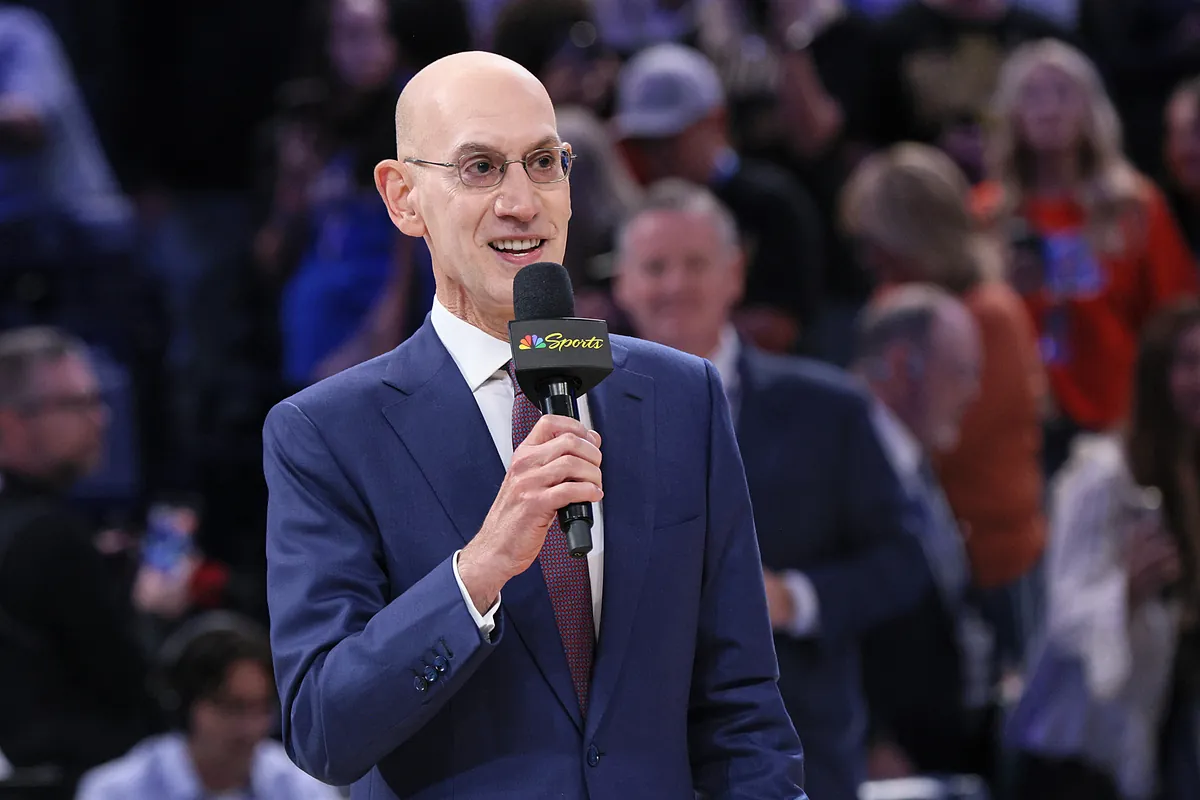
The NBA‘s long-standing ambition to expand its global presence has once again come into focus, with Commissioner Adam Silver expressing strong confidence that leading European basketball organizations would show significant interest in future expansion plans.
Despite earlier efforts that failed to materialize into a permanent NBA-backed league in Europe, Silver believes the conditions today are far more favorable than in the past.
Basketball has grown deeply entrenched across Europe over the last several decades. Numerous countries now boast highly competitive domestic leagues and world-class player development systems. European talent has also become a cornerstone of the NBA, with many of the league’s top stars hailing from the continent.
Silver has acknowledged that this evolution has reshaped how the NBA views Europe-not as an emerging market, but as a mature basketball ecosystem capable of sustaining deeper collaboration.
Previous expansion conversations struggled due to financial uncertainty and resistance from established leagues. However, Silver has emphasized that those obstacles have helped guide a more thoughtful approach moving forward.
Rather than rushing into a traditional franchise model, the league is evaluating flexible structures that align better with Europe’s sports culture and calendar.
Discussions have intensified between the NBA and international basketball authorities, including FIBA, as both sides explore partnership-driven frameworks rather than outright competition.
Why Europe remains central to the NBA’s strategy
Europe’s importance to the NBA extends beyond talent pipelines. The region represents a massive commercial opportunity, offering access to new media markets and an increasingly global fan base.
Silver has pointed out that major European clubs now operate with sophisticated business models and strong brand recognition, factors that make them attractive partners for any future NBA-aligned competition.
At the same time, the league is cautious. Any European expansion would need to coexist with domestic growth initiatives, including ongoing discussions around adding new teams in North America. Silver has indicated that while U.S. expansion remains a priority, international projects are not mutually exclusive and can be pursued on separate timelines.
Logistical challenges remain significant. Travel demands, competitive balance, broadcast considerations, and arena standards all require careful planning. However Silver has stated that modern technology, improved infrastructure, and years of international experience have made these challenges more manageable than in previous decades.
Rather than framing the talks as a revival of past failures, the NBA sees it as an evolution shaped by experience. The league is not committed to a specific launch date or structure but is confident that interest from Europe’s top teams would be strong if a viable model is presented.
Silver‘s comments signal that the NBA’s global ambitions are entering a new phase. While no final decisions have been made, Europe remains firmly positioned as a cornerstone of the league’s future growth.
Read the full article here