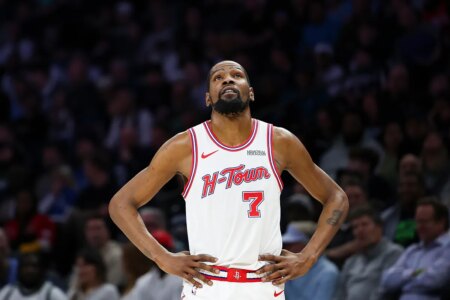






When the NBA revealed its three finalists for the 2025-26 MVP award, the list was elite but incomplete. Shai Gilgeous-Alexander,Nikola Jokic, and Victor Wembanyama each have strong cases. But the absence of Luka Doncic is difficult to justify.
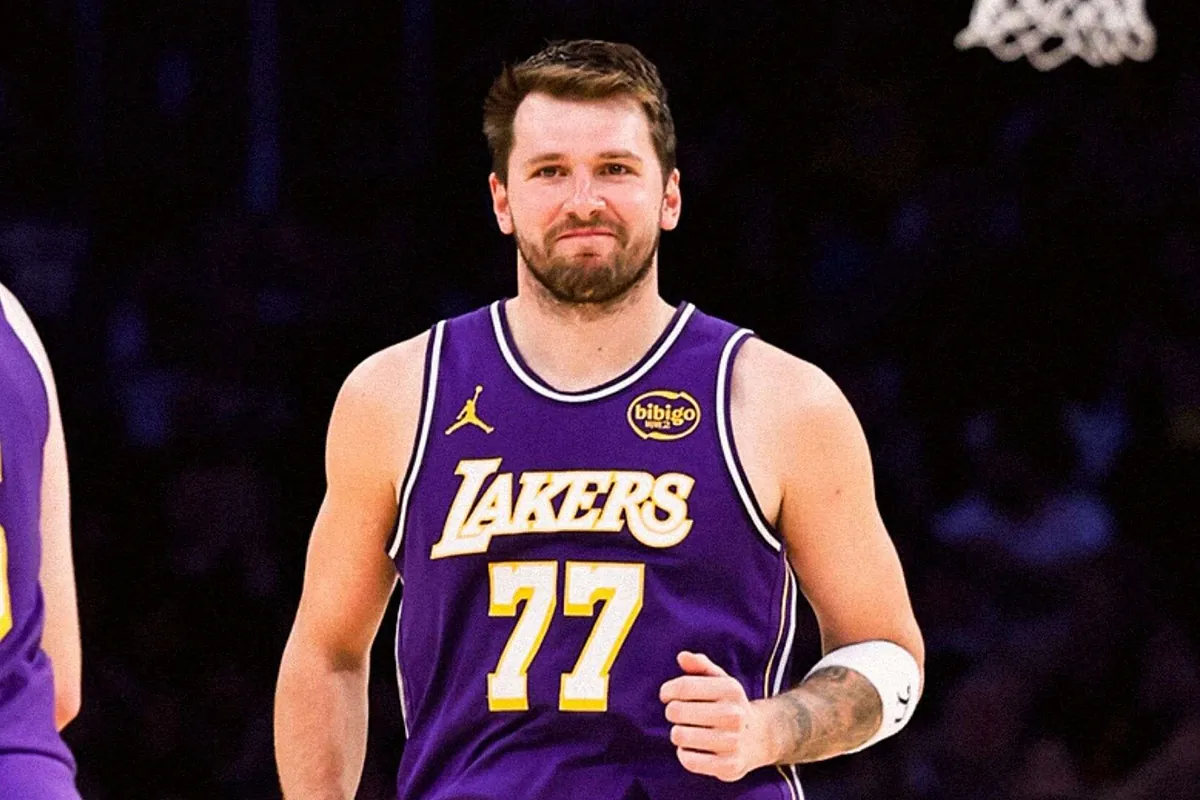
Luka didn’t just have a good season for the Los Angeles Lakers, he carried them. In a year where roster inconsistency and injuries created instability, Doncic remained the constant, producing at an elite level night after night. His statistical output once again placed him among the league leaders in scoring, assists, and overall offensive creation, reinforcing his status as one of the most complete offensive players in basketball.
Value is supposed to define the MVP award, and few players were more valuable to their team’s identity than the Slovenian guard. The Lakers’ offense ran entirely through him. Every defensive scheme was designed to stop him, and most failed. His ability to control tempo, create shots in isolation, and elevate teammates kept Los Angeles competitive in a loaded Western Conference.
Doncic’s impact was superior in certain areas
The argument against Doncic will likely center on team success compared to the other finalists. Shai Gilgeous-Alexander led the Oklahoma City Thunder to one of the conference’s top records. Nikola Jokic continued to anchor a consistent contender with the Denver Nuggets. Victor Wembanyama delivered a two-way impact that reshaped expectations for the San Antonio Spurs.
Those are valid points. But MVP has never been strictly about team record, and if it were, the award would lose much of its nuance. Doncic‘s individual impact was comparable, if not superior, in certain areas. He generated offense at a volume few players in league history can match, often without the same level of roster support as his peers in the race.
There’s also the matter of consistency. While others had stretches of dominance, Luka‘s production rarely dipped. He was the focal point every night and still delivered. That reliability is a form of value that doesn’t always show up in standings but is essential over an 82-game season.
Voter fatigue shouldn’t outweigh performance
Another factor is narrative fatigue. Doncic has been in the MVP conversation for years, and sometimes voters gravitate toward newer stories. That may have benefited players like Gilgeous-Alexander and Wembanyama, whose seasons felt fresher in the broader league narrative. But voter fatigue shouldn’t outweigh performance.
None of this is to argue that any of the three finalists are undeserving. Each has a legitimate claim to the award. The issue is that the list should have included Doncic. His season met the standard – statistically, contextually, and in terms of pure on-court impact.
Being left off the finalist list doesn’t erase what he accomplished, but it does highlight a recurring problem in MVP voting: balancing team success, individual dominance, and narrative. This year, that balance appears to have come at Doncic‘s expense. If the goal is to identify the most valuable players in the league, it’s hard to make that list without including Luka.
Read the full article here