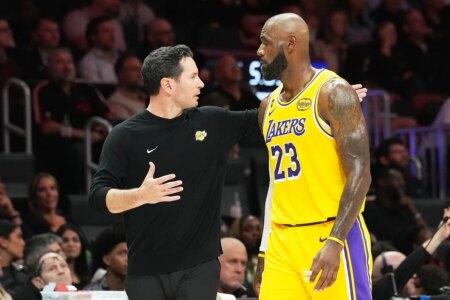





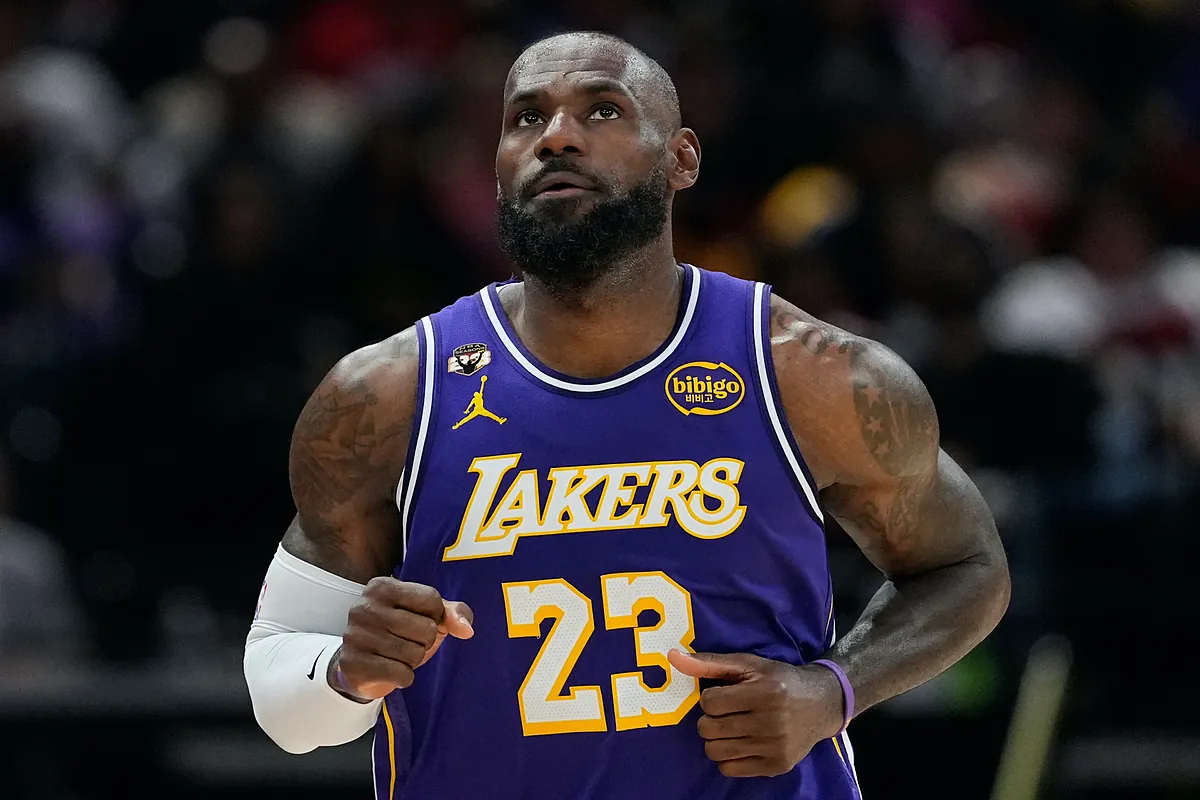
LeBron James has long been associated with ambition that extends far beyond the basketball court. As one of the most accomplished players in NBA history and a four-time champion, his influence has shaped both the sport and its global reach.
Entering his age-41 season, LeBron James continues to perform at a high level while also exploring what life after playing might look like. For years, one of his most discussed post-career goals was ownership of a professional franchise, potentially even helping bring expansion basketball to cities like Las Vegas or Seattle.
LeBron had previously expressed enthusiasm about the idea, frequently signaling that he viewed ownership as a meaningful next step after retirement. He even used public appearances to address league leadership directly, including Adam Silver, emphasizing his interest in contributing to the league in a new capacity.
With the growing discussion around expansion within the NBA, the concept of LeBron transitioning into ownership felt increasingly plausible. His business experience, combined with his influence and brand power, seemed to position him as a strong candidate to eventually lead or co-lead an ownership group.
However, recent developments indicate that his outlook has shifted. Reports from sports media outlets, including information shared by Shams Charania of ESPN, suggest that while the NBA continues to explore expansion opportunities, LeBron is no longer actively pursuing the idea of owning a franchise.
This represents a notable change from his earlier public statements, where he openly discussed bringing a team to Las Vegas and expressed strong enthusiasm for the possibility.
Financial and timing challenges reshape priorities
A major factor behind this reversal is the escalating cost associated with NBA franchise ownership. In recent years, valuations across professional sports have risen dramatically, and acquiring an NBA team could require an investment approaching $10 billion.
Although LeBron‘s estimated net worth exceeds $1.4 billion, the financial requirements for majority ownership far surpass what an individual can typically commit without extensive backing from investment partners.
Another significant consideration is timing. Securing ownership of an expansion franchise is a lengthy and complex process that involves assembling a consortium of investors and navigating league approval.
At the same time, LeBron‘s playing career is still active, and he has not yet finalized a retirement timeline. Balancing the demands of competing at an elite level while simultaneously organizing a major ownership bid presents logistical challenges that may be difficult to reconcile.
Compounding these issues is the shifting structure of potential partnerships. LeBron‘s previous affiliation with Fenway Sports Group had been seen as a possible pathway into franchise ownership. However, reports indicate that the group is no longer pursuing an NBA team, which removes a key support system that could have helped facilitate a bid.
Taken together, rising costs, uncertain timing, and the absence of a clear investment structure have contributed to LeBron stepping back from ownership ambitions, at least for now.
While the idea once seemed like a natural extension of his legacy, the practical realities surrounding expansion and ownership have made the path far more complicated than initially envisioned.
Read the full article here