





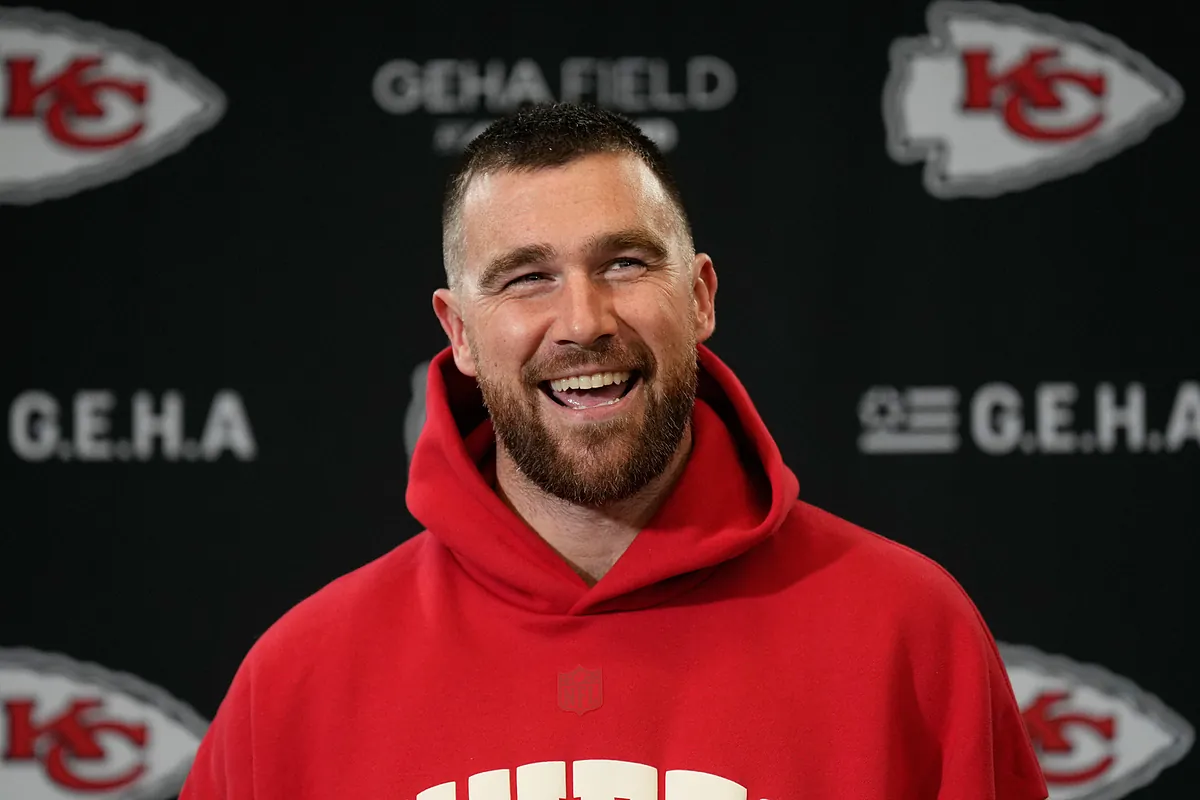
The Kansas City Chiefs may have secured short-term stability by bringing back Travis Kelce, but the conversation inside the building appears to be shifting toward something bigger: what happens when one of the greatest tight ends of his era finally steps away.
Kelce‘s decision to continue into his 14th NFL season provides a crucial boost, particularly with Patrick Mahomes working his way back from injury.
Even in 2025, Kelce proved he remains central to Kansas City‘s offense, posting 851 receiving yards and five touchdowns. Yet the fact that retirement was seriously considered earlier this offseason has only sharpened the focus on succession planning.
For a franchise that has built its offensive identity around Kelce‘s unique skillset, replacing him is not just a roster move. It is a defining decision.
Draft class offers clues to Kansas City’s next move
The current depth chart provides limited reassurance. Noah Gray has developed into a dependable complementary option, but his overall production has not suggested he is the long-term answer once Kelce steps aside.
That reality has pushed attention toward the upcoming draft, where several tight ends offer intriguing pathways forward. Oregon‘s Kenyon Sadiq has quickly emerged as the most talked-about candidate.
Sadiq‘s blend of speed and versatility fits the modern mold that Kelce helped popularize. After leading all FBS tight ends with eight touchdowns in 2025 and posting a standout 4.39-second 40-yard dash at the combine, he has the kind of athletic profile that can stretch defenses vertically.
Kansas City‘s own social media activity, including highlighting his college tape, has only fueled speculation that he is firmly on their radar.
NFL analyst Adam Rank suggested the move could make sense even with Kelce still under contract. “Tight end might seem weird… but let’s be serious: He’s not playing out that deal,” Rank said, pointing to the value of planning ahead while the opportunity exists.
Elsewhere, Vanderbilt‘s Eli Stowers offers a compelling alternative. A former quarterback turned tight end, Stowers brings intelligence and adaptability, traits that mirror Kelce‘s own unconventional path. His breakout season and Mackey Award recognition have elevated his stock as a potential Day 2 selection.
Stanford‘s Sam Roush and Georgia‘s Oscar Delp present different profiles. Roush‘s size and physicality would strengthen Kansas City‘s run game, while Delp‘s athletic upside and pass-blocking ability provide developmental appeal for a team looking to protect Mahomes and diversify its offense.
Preparing for transition without rushing it
What makes Kansas City‘s situation unique is timing. Kelce is still producing at a high level, and the team does not need an immediate replacement. But with valuable draft capital, including a top-10 pick, the Chiefs are in a rare position to invest in the future without sacrificing the present.
There is also a broader context at play. Kelce‘s growing presence off the field, from media appearances to his expanding profile beyond football, has only added to the sense that the next chapter of his career may not be far away.
For Mahomes, the importance of continuity cannot be overstated. Kelce has been more than a target; he has been a safety valve, a playmaker and a defining piece of the offense. Identifying the next player capable of filling even part of that role is critical.
The Chiefs have built a dynasty by staying ahead of the curve, not reacting to it. This offseason may offer another example of that philosophy in action.
Whether it is Sadiq‘s explosiveness, Stowers‘ versatility, or a later-round prospect who develops over time, the search for Kelce‘s successor is already underway.
And while the future Hall of Famer remains the focal point today, the next evolution of Kansas City‘s offense may depend on the decision they make next.
Read the full article here