





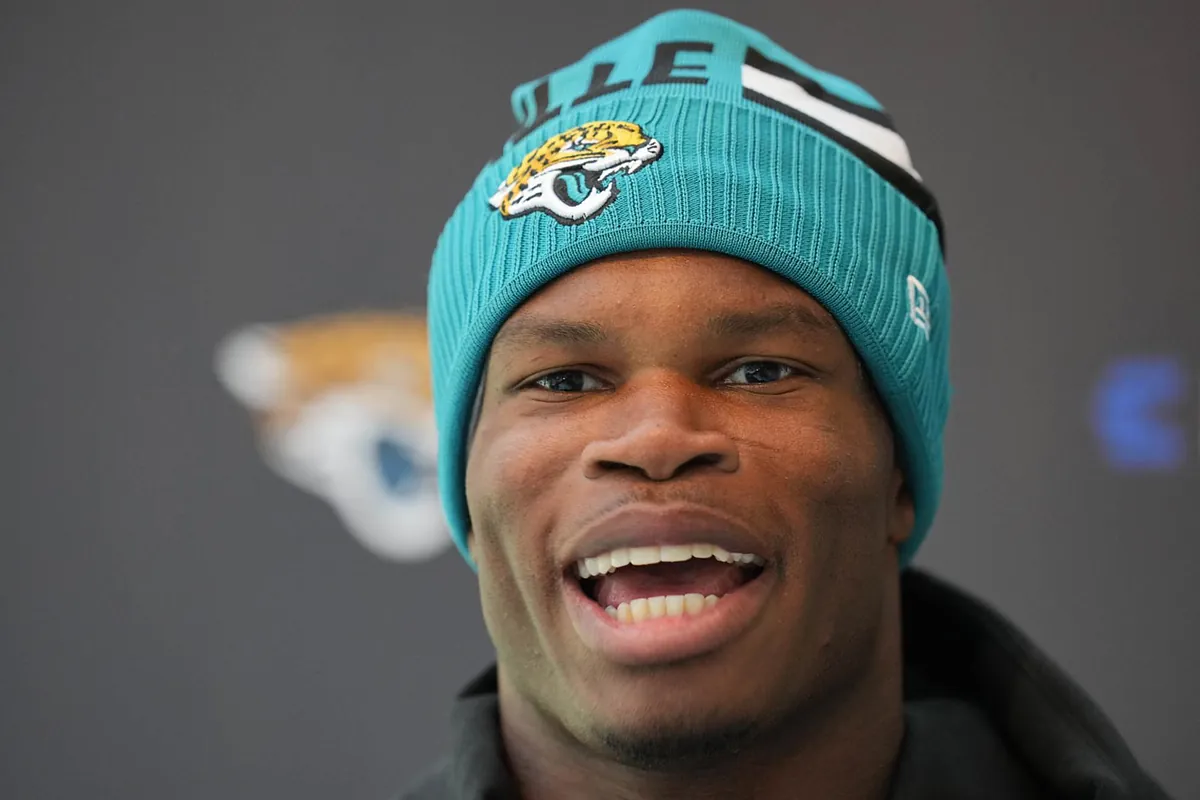
For a player who entered the NFL as one of the most unique prospects in years, Travis Hunter is already facing a familiar tension: how much of his game can realistically translate to the next level.
??
That debate resurfaced this week after reports suggested the Jacksonville Jaguars are preparing to redefine his role, prompting a swift and public response.
“Now who told you this?” Hunter wrote on social media, reacting to reports from insiders including Ian Rapoport that Jacksonville plans to use him primarily as a full-time cornerback, with only limited snaps at wide receiver in 2026.
The response was brief, but it spoke volumes. Hunter has built his identity on doing both, and doing it at a high level. At Colorado, that versatility earned him the Heisman Trophy and made him one of the most talked-about prospects in recent memory.
From Jacksonville‘s perspective, the reported shift reflects a practical concern rather than a philosophical one. Hunter‘s rookie season was cut short by an LCL injury, raising immediate questions about the sustainability of his workload.
Before the injury, he was already splitting time across both units, playing a majority of snaps on offense while contributing defensively. It was a rare deployment in today’s NFL, where specialization dominates and even elite athletes are carefully managed.
The league’s physical demands make it difficult for any player to maintain a full two-way role over 17 games. Jacksonville‘s apparent plan, to anchor Hunter at corner while selectively using him on offense, aligns with how teams typically protect high-value players.
That reality has not gone unnoticed by veterans. Former defensive back Tony Jefferson offered a blunt perspective in response to Hunter‘s post: “They told him that, they just ain’t told you yet, rook. Welcome to the league.”
What makes Hunter different and difficult to define
The challenge for the Jaguars is that Hunter is not a typical player. His value lies precisely in his ability to disrupt games in multiple ways, something quarterback Trevor Lawrence has already highlighted.
“He’s so special when he gets opportunities,” Lawrence said. “He can make people miss and turn short plays into big gains.”
That offensive explosiveness is part of what made Hunter such a coveted prospect. But across the league, there has long been a belief that his ceiling may ultimately be higher on defense, where elite cornerbacks can reshape entire game plans.
The reported usage shift suggests Jacksonville is leaning into that belief, even if it means redefining how often Hunter impacts the game with the ball in his hands.
A defining decision for Jacksonville’s future
As the Jaguars look to build on a playoff appearance, how they manage Hunter could become one of the most important decisions of their season. Limiting his role may improve durability and consistency, but it also risks reducing the unpredictability that makes him so dangerous.
For now, the situation remains unresolved. Hunter is expected to return fully healthy for 2026, and the team has yet to publicly confirm any permanent change in his role.
What is clear is that Hunter still views himself as a true two-way player. Whether Jacksonville shares that vision, or chooses a more measured approach, will shape not only his development but the identity of the team around him.
Read the full article here