



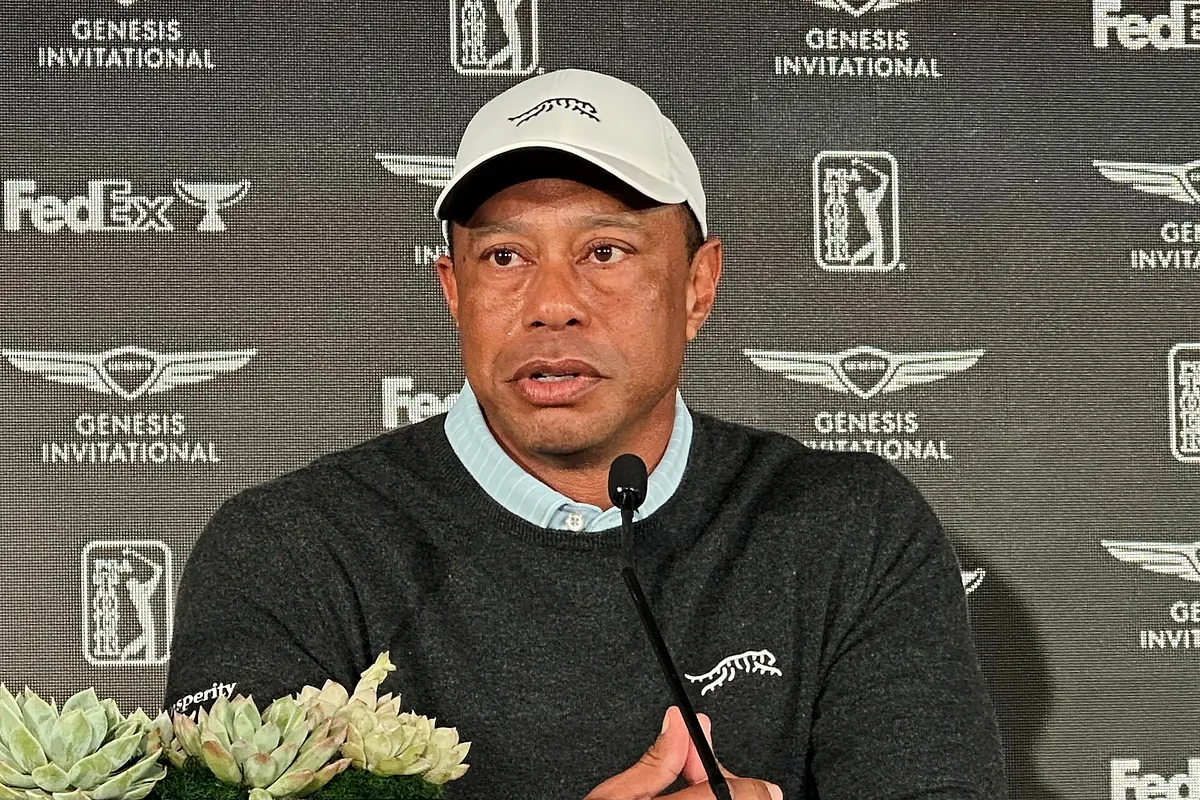
Golf legend Tiger Woods is once again facing legal scrutiny after a rollover crash near his Jupiter Island, Florida, home, leading to a driving under the influence (DUI) arrest. The incident has reignited debate about whether Woods‘ past DUI history could influence the outcome of his latest legal battle.
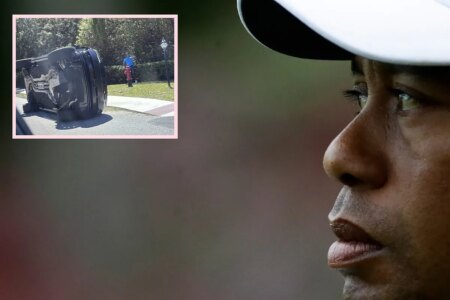
On March 27, Woods‘ Land Rover collided with the rear of a truck while trying to pass on a residential road, flipped onto its side, and caused minor property damage. Authorities reported observing signs of impairment, though Woods registered a 0.00 breath test.
Investigators also noted he refused a urine test at the scene, a decision that carries its own misdemeanor charge in Florida. Woods‘ legal team waived his initial court appearance, and he entered a not guilty plea. His arraignment is expected later this month, though an official date has not yet been announced.
Despite the high-profile nature of the case, legal experts suggest that Woods may not face severe consequences, even with his previous incidents. Tarlika Nunez-Navarro, a former circuit judge and dean at St. Thomas University in Miami Gardens, points out that Florida DUI law requires proof of actual impairment, not merely signs of it.
Because Woods declined the urine test, there is no chemical evidence showing what substances were in his system or at what levels.
As a result, the prosecution’s case would rely largely on officer observations, such as Woods‘ demeanor and performance on field sobriety tests. Navarro argues that Woods‘ lawyers can effectively counter these claims with documented medical history and past injuries.
Could past DUIs affect Woods’ case?
Woods‘ past legal incidents have drawn attention, including a 2017 DUI-related reckless driving charge and previous crashes in 2009 and 2021. In 2021, he suffered a near-fatal single-car rollover in Los Angeles, requiring extensive leg surgery.
In 2009, he crashed his Cadillac Escalade into a fire hydrant and a tree near his Windermere, Florida, home, which resulted in a fine and citation for careless driving.
While Florida law is strict with repeat DUI offenders, Navarro notes that Woods‘ prior convictions might not trigger enhanced penalties if the previous offenses are categorized differently under the law.
“His lawyers will argue this is legally his first DUI conviction,” she explained, highlighting a potential defense strategy to mitigate harsher sentencing.
The refusal to submit to a urine test adds complexity. Normally, this triggers a one-year administrative license suspension and a separate criminal charge. However, Navarro emphasizes that the refusal itself can work in Woods‘ favor by creating reasonable doubt about the presence of any impairing substance.
Without a positive chemical test, the prosecution’s case may carry less weight, especially when Woods‘ defense team can counter with medical explanations for his behavior at the time of the crash.
While public opinion may lean toward expecting consequences due to Woods‘ high-profile status and past DUIs, legal experts suggest that extended jail time is far from guaranteed without concrete chemical proof of impairment.
Read the full article here