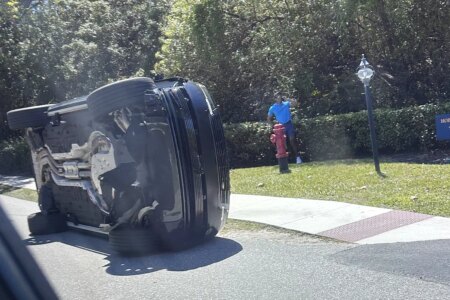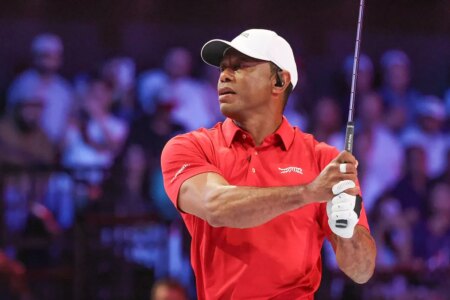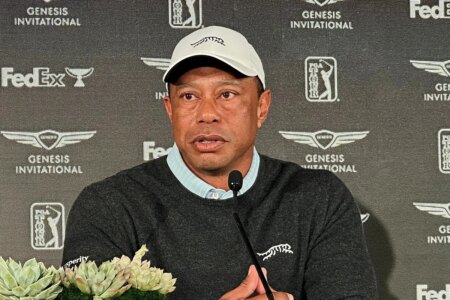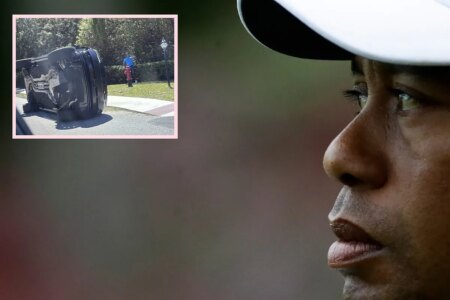




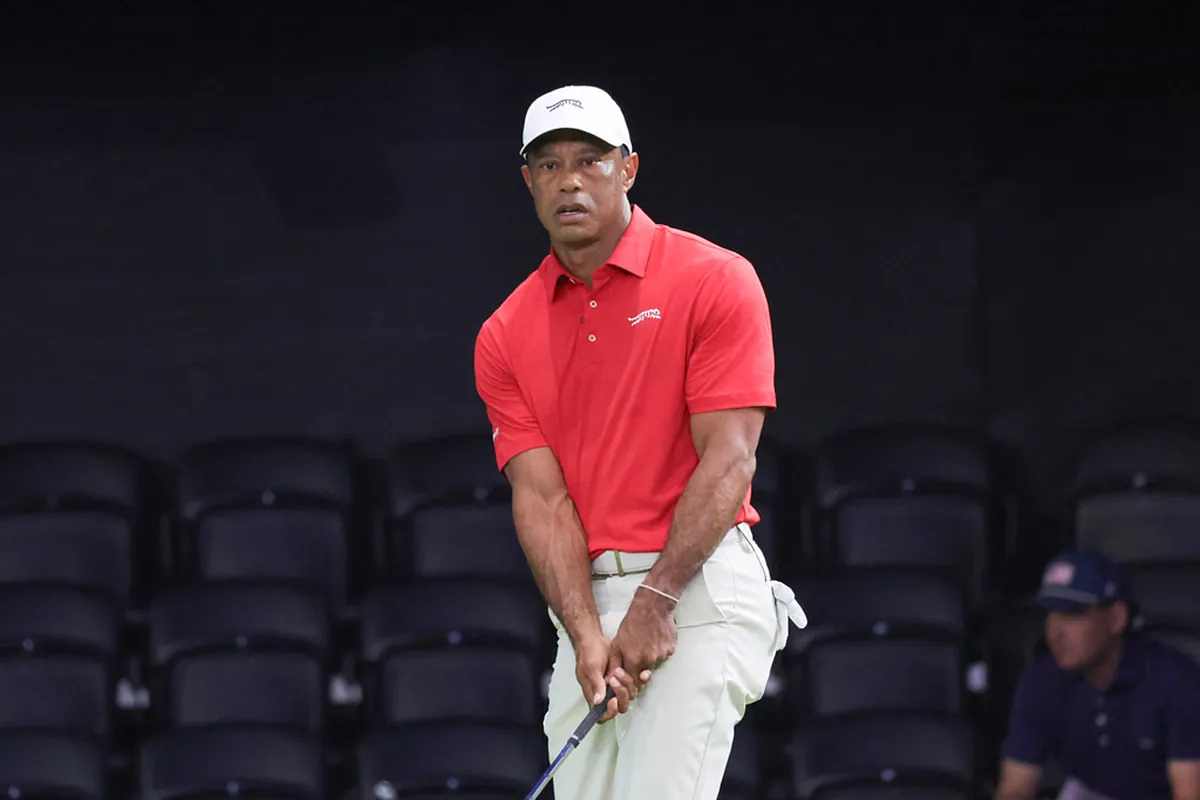
In the wake of one of the most startling offcourse developments in recent memory, golf legend Tiger Woods is once again at the center of a heated public debate. The 50-year-old was arrested on suspicion of driving under the influence after a rollover crash near his Jupiter Island, Florida, home on March 27, prompting a wave of reaction from fans, commentators, and critics alike.
Among them, ESPN’s outspoken analyst Stephen A. Smith didn’t hold back – excoriating Woods for his decisions leading up to the arrest and dismissing the golfer’s plea for privacy as insincere.
Florida authorities responded to the crash and observed signs of impairment, even though Woods registered a 0.00 alcohol reading on a breathalyzer test and refused a urine test at the scene.
Deputies noted details such as bloodshot eyes, dilated pupils, and lethargy, consistent with impairment, and found two hydrocodone pills in his pocket – a prescription opioid often used to treat pain. Woods has pleaded not guilty to DUI with property damage and refusal to submit to a lawful test, and is planning legal defenses as the case proceeds.
Many observers questioned why a man of Woods‘ tremendous wealth, with the means to hire drivers and personal staff, would still put himself behind the wheel while impaired.
Woods‘ own camp reportedly says the golfer simply values his privacy and dislikes being “watched over,” even by a driver. This explanation, though rooted in personal preference, drew fire from Smith.
Heated criticism from the studio
Smith took aim at the narrative that Woods‘ privacy concerns justified his choice to drive. On First Take, he challenged the idea that hiring a driver would somehow expose Woods unfairly, and he questioned what it says about Woods‘ life if he would rather risk danger than delegate driving.
“Damn that privacy. I don’t give a damn what you worried about,” Smith said on “First Take”. “You must have a very highly suspect life that you as a billionaire don’t even want to hire a driver. Something wrong. Something with that. You want your privacy.
“Privacy from what? What’s the driver gonna do? Because he dropped you off at some place he’ll know where he dropped you off? I mean, damn. What are you trying to hide?
“The point is a rhetorical question because I don’t care and none of us should care, it’s not our business. What is our business is you staying away from being behind the wheel of a vehicle when you’re inebriated.”
What happens next both legally and personally for the golfing great remains uncertain, but the fallout from this incident is already reshaping how even his staunchest supporters view his judgment.
Read the full article here