

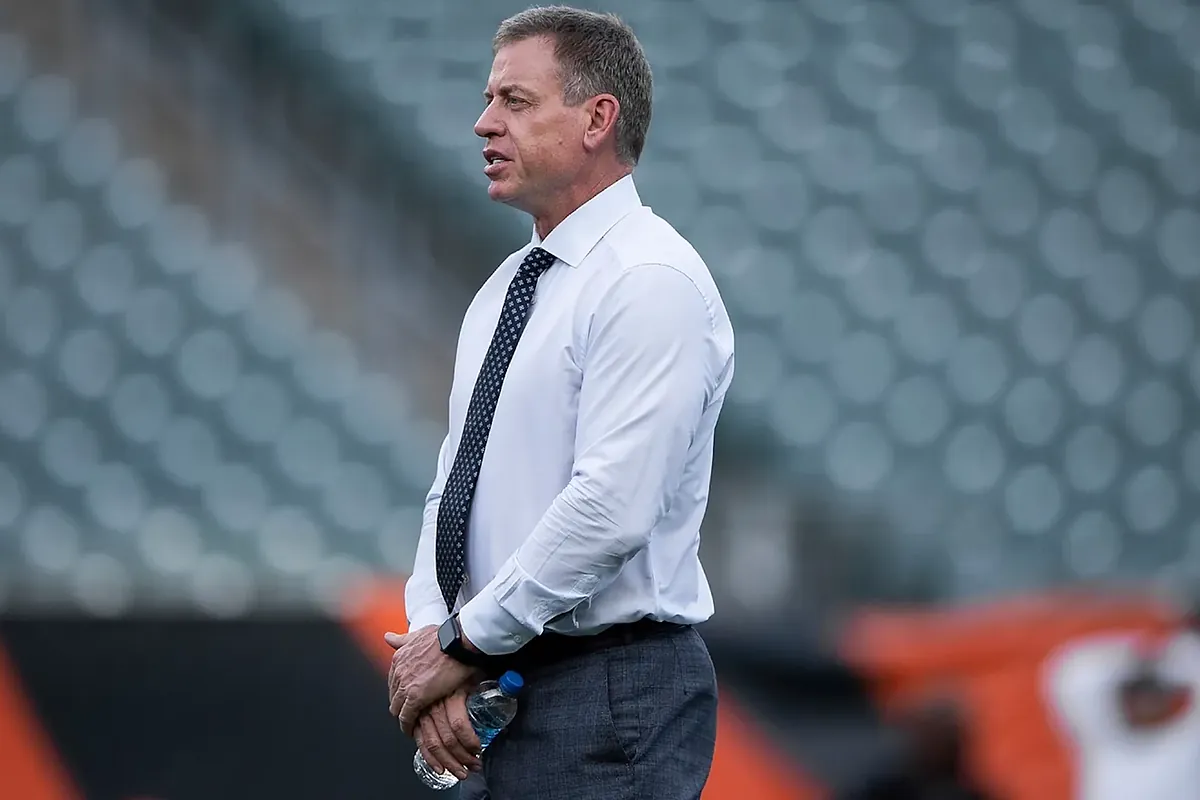
Troy Aikman lives with persistent back pain, a condition that shadows him daily, affecting even simple movements and forcing adjustments to his routines.
The discomfort serves as a constant reminder of the physical toll taken during his NFL career, where repeated hits and spinal strain left lasting damage.
Surgery offered only temporary relief, and years of collisions, sudden twists, and heavy impacts have left his lower back fragile. To maintain basic mobility and minimize further injury, Aikman relies on therapy, controlled activity, and careful stretching.
“I still manage that [back issue],” Aikman said on the Rodeo Time podcast. “I had back surgery right after our first Super Bowl… I still deal with it, but surgery can’t help that. I’m just kind of stuck with it, and I do hot yoga. I just did it this morning, and it seems that I’ve gotten into it now for about two and a half years, and it seems to have helped give me a little bit more movement and help with some of the back pain.”
The impact of chronic injury on Aikman’s career and post-playing life
The injury first appeared in 1993 during a weightlifting session. Doctors initially considered it non-urgent, noting that spinal damage often develops gradually, and Aikman exhibited no weakness, numbness, or nerve impairment-typical signs of severe injury.
Surgery by Dr. Watkins removed a fragment of disc between his fifth lumbar and first sacral vertebra, allowing him to return to the field, but it could not undo the long-term damage.
By 2000, his back pain had begun dictating his on-field performance. Aikman frequently relied on injections to play and occasionally could not bend for a snap, prompting the Cowboys to turn to Randall Cunningham.
Chronic pain ultimately shaped his career trajectory, with his injury often compared to Joe Montana‘s back issues from 1986, though the surgical approaches differed.
Today, Aikman channels his football expertise into a consulting role with the Miami Dolphins, advising on leadership and personnel decisions following Chris Grier‘s departure in 2025.
His insights contributed to the hiring of Jon Eric Sullivan as general manager, helping shape the organization’s leadership structure and long-term direction.
Despite his advisory position, Aikman holds no formal executive authority or ownership stake.
He continues his broadcasting duties for ESPN’s Monday Night Football, and the league has approved this dual role, which mirrors arrangements like Tom Brady‘s minority ownership of the Raiders. His contributions remain purely advisory, guiding decision-making without operational control.
Decades after retiring, Aikman‘s back continues to demand attention through hot yoga, stretching, and structured routines, underscoring the lasting impact of professional football. Even off the field, the sacrifices of his playing days shape his daily life, reminding fans and players alike of the enduring costs of an NFL career.
Read the full article here