



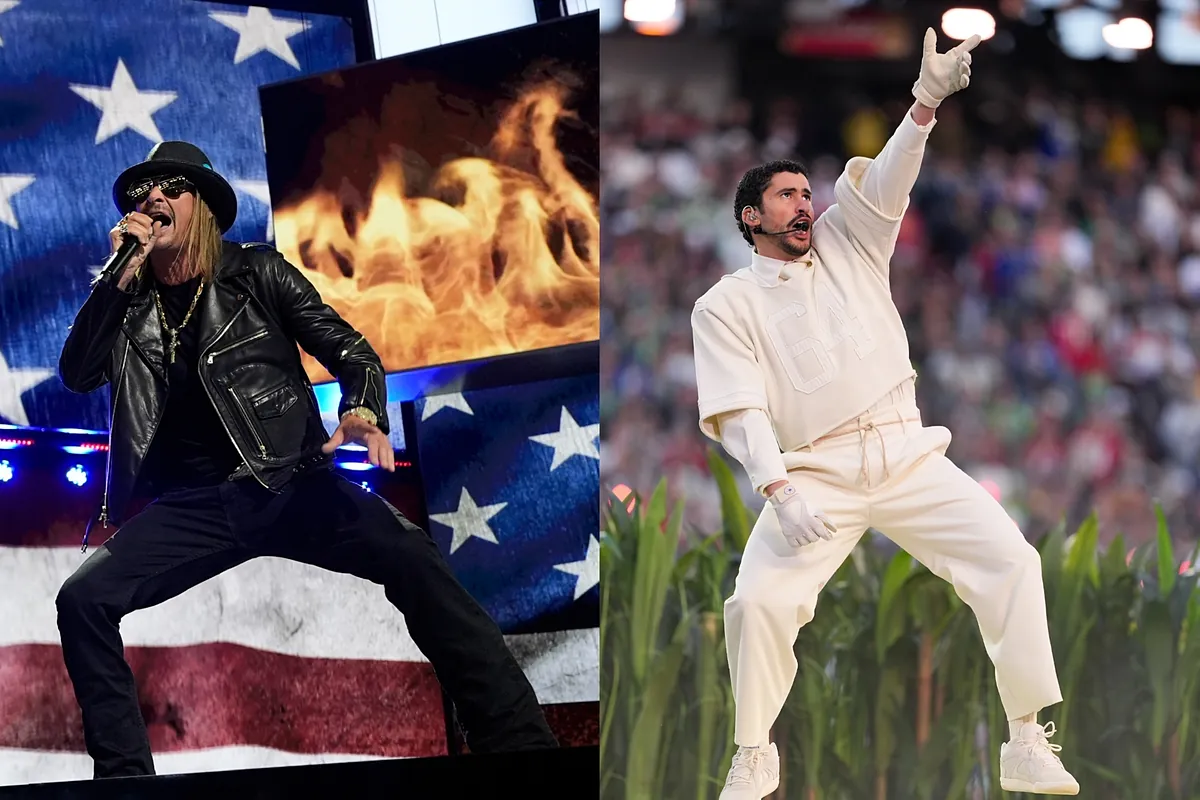
Claims that millions of Americans boycotted Bad Bunny’sSuper Bowl halftime performance circulated Sunday as conservative activists promoted an alternative livestream during the broadcast, highlighting the cultural and political divisions surrounding the NFL’s entertainment lineup.
Turning Point USA (TPUSA), a conservative nonprofit, organized the so-called “All-American Halftime Show” as counterprogramming to the official NFL spectacle headlined by the Puerto Rican global star.
Related:
- Super Bowl 2026: Date, time, location, and everything to know
- Where to watch the Super Bowl 2026? TV channel and streaming
- Super Bowl Halftime Show 2026: Everything about Bad Bunny’s performance
- How much do tickets for the Super Bowl cost in 2026?
- Super Bowl Winners List: All teams that have won the Vince Lombardi
The group positioned the event as a celebration of “faith, family, and freedom” in response to backlash from critics who objected to the NFL’s selection of Bad Bunny and his Spanish-language catalog.
Calls to boycott the official halftime show emerged ahead of kickoff, including from advocacy groups urging families to watch alternatives instead.
Fans preferred Bad Bunny and the Super Bowl
While organizers and supporters touted strong online participation, independent polling suggested overall U.S. interest leaned toward the NFL’s official performance, with 35% preferring Bad Bunny compared with 28% favoring the alternative programming.
The alternative event – headlined by musician Kid Rock – was streamed across social media and partner platforms after being conceived months earlier as a protest against the NFL’s booking decision.
Its broadcast faced technical complications shortly before airtime when a planned stream on X was dropped due to licensing restrictions.
Bad Bunny more than delivered amidst the criticism
The controversy unfolded alongside widespread attention on the official halftime show itself, where Bad Bunny delivered a performance celebrating Puerto Rican and Hispanic culture in front of the Super Bowl audience.
Debate surrounding his selection had been building for months, reflecting broader disputes about language, identity, and politics in American pop culture.
With the Super Bowl typically drawing more than 100 million viewers, the competing streams represented a small but vocal segment of the audience – underscoring how even the country’s biggest entertainment stage can become a flashpoint in ongoing cultural debates.
Read the full article here