



Sophie Cunningham’s latest move in the WNBA underscores the constant balancing act professional athletes face between personal stability and competitive ambition. What began as a clear offseason plan focused on financial security and long-term comfort has evolved into a decision that prioritizes immediate success over certainty.
During the offseason, Sophie Cunningham was open about what she wanted from her next contract. Her goals were straightforward: a stronger financial package and a situation that would allow her to “settle down,” buy a home, and build a more stable life outside of basketball.
That vision suggested a preference for a longer-term deal, one that would provide both monetary security and peace of mind for the future.
However, her return to the Indiana Fever on a one-year contract marked a noticeable shift from those earlier ambitions. Rather than locking in long-term stability, Cunningham opted for flexibility and a chance to rejoin a rapidly evolving roster.
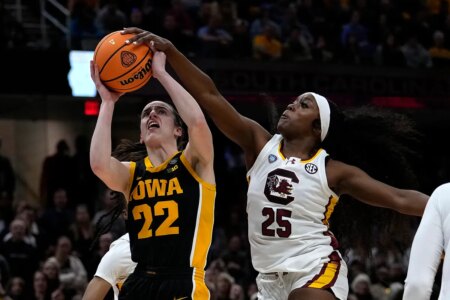
The move also reunites her with breakout star Caitlin Clark and teammate Lexie Hull, restoring a familiar on-court connection that fans have come to associate with strong chemistry and energy. Together, the trio has often been nicknamed the “Tres Leches,” a playful label that reflects both their bonding and growing popularity.
A strategic gamble between financial security and team success
WNBA commentator Robin Lundberg recently addressed Cunningham‘s situation, suggesting that her latest contract reflects a compromise between her stated personal goals and her current professional priorities.
“Sophie back with Indiana in a one-year deal. This part of it is sort of interesting because she has said on her podcast previously, I forget the exact wording but basically, was that she wanted to settle down somewhere and feel cozy and wanted a big contract,” Lundberg said.
“So perhaps, Sophie sort of sacrificing that sort of security in order to run it back with the Fever.”
By accepting a short-term contract, Cunningham is effectively trading long-term certainty for immediate opportunity. On one hand, she gains the chance to compete in a dynamic environment alongside one of the league’s most talked-about young cores.
The Fever’s growing profile and the presence of Clark have turned Indiana into one of the most closely watched teams in the WNBA, offering players increased visibility and a chance to be part of a rising contender.
On the other hand, the decision delays the milestones she once prioritized. Instead of settling into a long-term financial plan that might support life goals like home ownership and off-court comfort, Cunningham now faces another season where her future will again be up for negotiation.
Still, this kind of trade-off is familiar in professional sports, where timing, team fit, and momentum can sometimes outweigh financial guarantees. The appeal of returning to Indiana for Cunningham may extend beyond basketball systems and statistics.
She is placing immediate competitive relevance and potential career momentum ahead of long-term stability. If the gamble pays off, it could elevate both her value and her legacy.
Read the full article here