



New England Patriots head coach Mike Vrabel probably didn’t envision spending his Super Bowl week press conference dissecting the Seattle Seahawks, but the topic still found its way into the conversation.
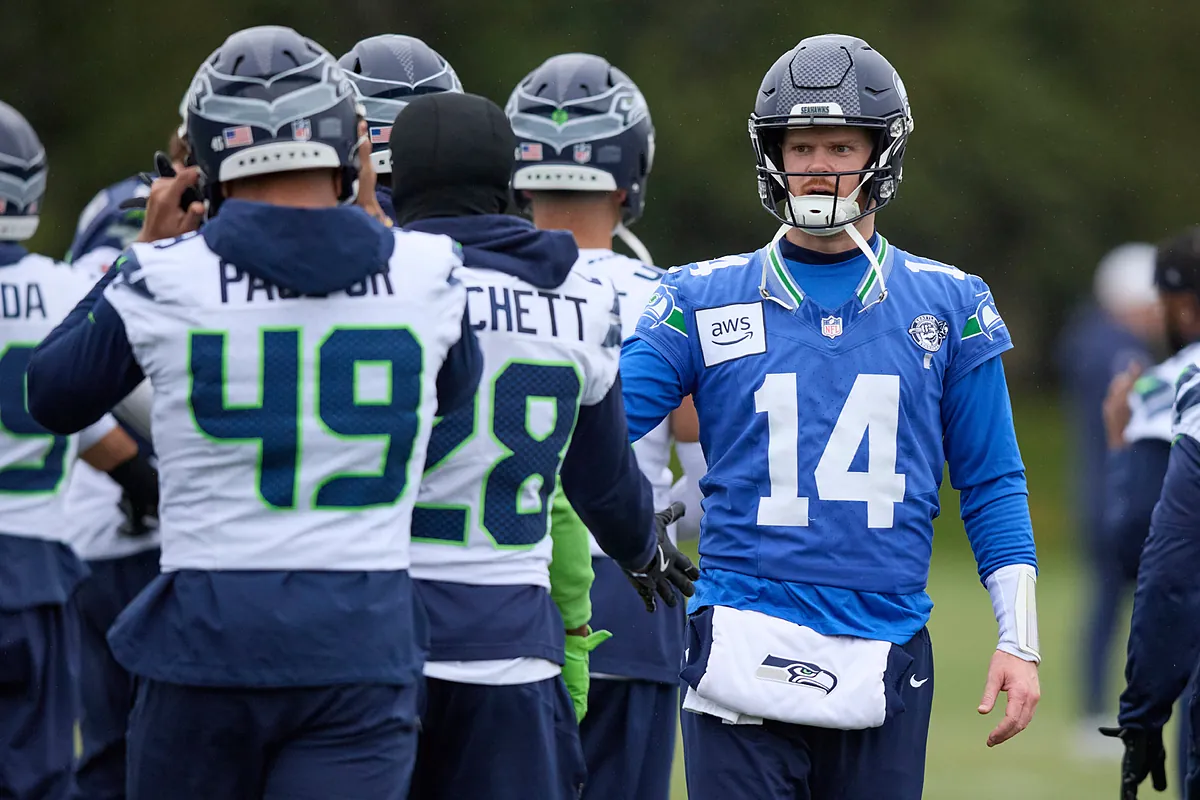
When a reporter raised one of the NFL’s most persistent defensive challenges, explosive “X plays,” the example used immediately placed the Seahawks under the microscope.
During the session, Vrabel was asked about the Los Angeles Rams and how they were “one of the few teams” able to consistently generate chunk plays against Seattle in recent matchups.
Related:
- Super Bowl 2026: Date, time, location, and everything to know
- Where to watch the Super Bowl 2026? TV channel and streaming
- Super Bowl Halftime Show 2026: Everything about Bad Bunny’s performance
- How much do tickets for the Super Bowl cost in 2026?
- Super Bowl Winners List: All teams that have won the Vince Lombardi
“That’ll be critical, our ability to … create some of those X plays,” Vrabel said. “Whether we hand it off we’re going to need to gain some chunks, and if we throw it we’re going to need to do the same.”
The question centered on whether New England Patriots coaches could borrow anything structurally or schematically from that tape as they prepare for the Super Bowl.
Vrabel avoided specifics, but his response made one thing clear: the way the Rams attacked the Seahawks is exactly the kind of film that continues to circulate among elite coaching staffs.
The Seahawks served as the case study – a defense that has shown vulnerability when opponents successfully stress coverage rules, leverage matchups, and force defenders into space.
Why Seattle keeps showing up on Super Bowl tape
Explosive plays have become the single most reliable predictor of postseason success, and the Rams have repeatedly exploited that reality against Seattle, using different formations and fakes to confuse them.
Once that hesitation appears, the margin for error disappears, particularly against quarterbacks willing to attack downfield or backs capable of turning routine carries into chunk gains.
For New England, the lesson isn’t about copying the Rams verbatim. It’s about understanding how and why those explosive opportunities appeared against the Seahawks, then applying those principles within the Patriots’ own offensive identity.
Vrabel framed the issue on a wider scale, but the subtext matters. At the Super Bowl level, efficiency alone isn’t enough, as 12-play drives are tough to sustain against elite defenses.
Explosives reduce variance, shorten the field, and create pressure that forces defensive adjustments.
That’s why Seattle’s name continues to come up, not because the Seahawks are playing in the Super Bowl, but because they represent a cautionary example.
The postseason margin
In January and February, games often hinge on three or four plays and tiny margins. It can be one missed tackle that leads to a fumble, or one miscommunication that invites an interception.
Those are the moments coaches obsess over, and Vrabel made it clear his staff will “look at every single thing that we can that could potentially help us.”
When that search includes studying how the Rams generated explosive plays against the Seahawks, it reinforces a simple truth: even teams not on the field can influence how Super Bowls are won.
For Seattle, it’s another reminder that defensive consistency against big plays isn’t just a regular-season concern – it’s the standard by which championship defenses are judged.
Read the full article here