

The ongoing collective bargaining negotiations between the WNBA and the Women’s National Basketball Players Association (WNBPA) have reached a critical inflection point, with unresolved revenue sharing demands and growing public curiosity about player strategy.
After months of backandforth, the clock is ticking on a deal that could shape the league’s future, and tensions are showing no sign of going away.
At the heart of the impasse is a sharp divide over how league revenue should be split in a new collective bargaining agreement (CBA). The players’ association has consistently pushed for a share of gross revenue-roughly 30% under its proposals-as a cornerstone of its compensation model.
By contrast, league negotiators have countered with offers tied to net revenue after expenses. This difference may appear subtle but has massive implications for player salaries and long-term financial stability.
The gap in revenue definitions has translated into millions of dollars in potential earnings, making it the most significant sticking point between the two sides.
While the league’s latest proposal included modest concessions on housing and facility standards – a response to long-standing player concerns – it stopped short of substantially improving its revenuesharing framework.
Under that offer, revenue sharing would not surpass roughly 15% of gross revenue, a figure well below what the union believes is fair, highlighting the tension between league economics and players’ expectations.
Silent streets at NBA AllStar Week amid protest rumors
In the days leading up to the 2026 NBA All-Star Weekend in Los Angeles, speculation mounted that WNBA players might organize a high-profile demonstration to draw attention to their labor fight.
A collaborative social media post from the WNBPA and comments from union leadership, including president Nneka Ogwumike, fueled rumors of a protest or strike tied to the showcase event. Fans, media, and insiders were all waiting to see whether the WNBA stars would make a visible stand on such a major stage.
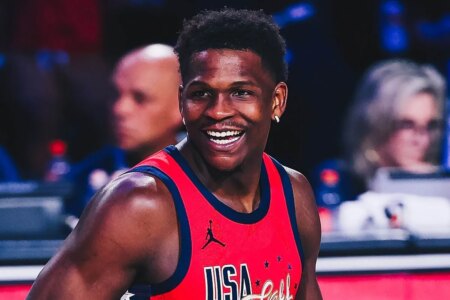
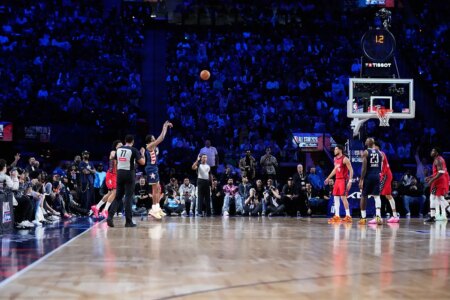
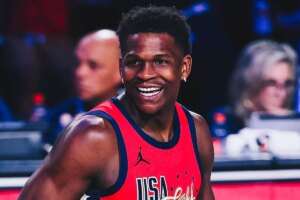
Yet when All-Star Weekend arrived, the anticipated action never materialized. While NBA festivities included a revamped threeteam format and Anthony Edwards earning All-Star MVP honors, there were no visible demonstrations from WNBA stars.
The lack of protest left observers puzzled, especially given the teasing posts and players-only meetings that hinted at a coordinated action.
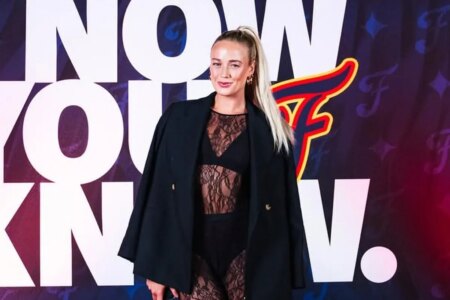
One possible explanation is a subtle shift in union strategy. WNBPA vice president Breanna Stewart recently described the latest league proposal as a positive step after an extended period of stalled negotiations.
This suggests that players may now prefer to focus on formal bargaining rather than public demonstrations, which could complicate negotiations or strain league relations.
Even NBA Commissioner Adam Silver has publicly urged both sides to expedite talks to avoid jeopardizing key offseason milestones, including the expansion draft, free agency, and preseason preparation. His comments underscore the urgency of striking a deal quickly, especially as league operations and player careers hang in the balance.
With time running short, the next moves by both the WNBA and its players will not only determine the resolution of the 2026 season but could also set the economic foundation of the league for years to come, highlighting the high stakes behind these negotiations.
Read the full article here