



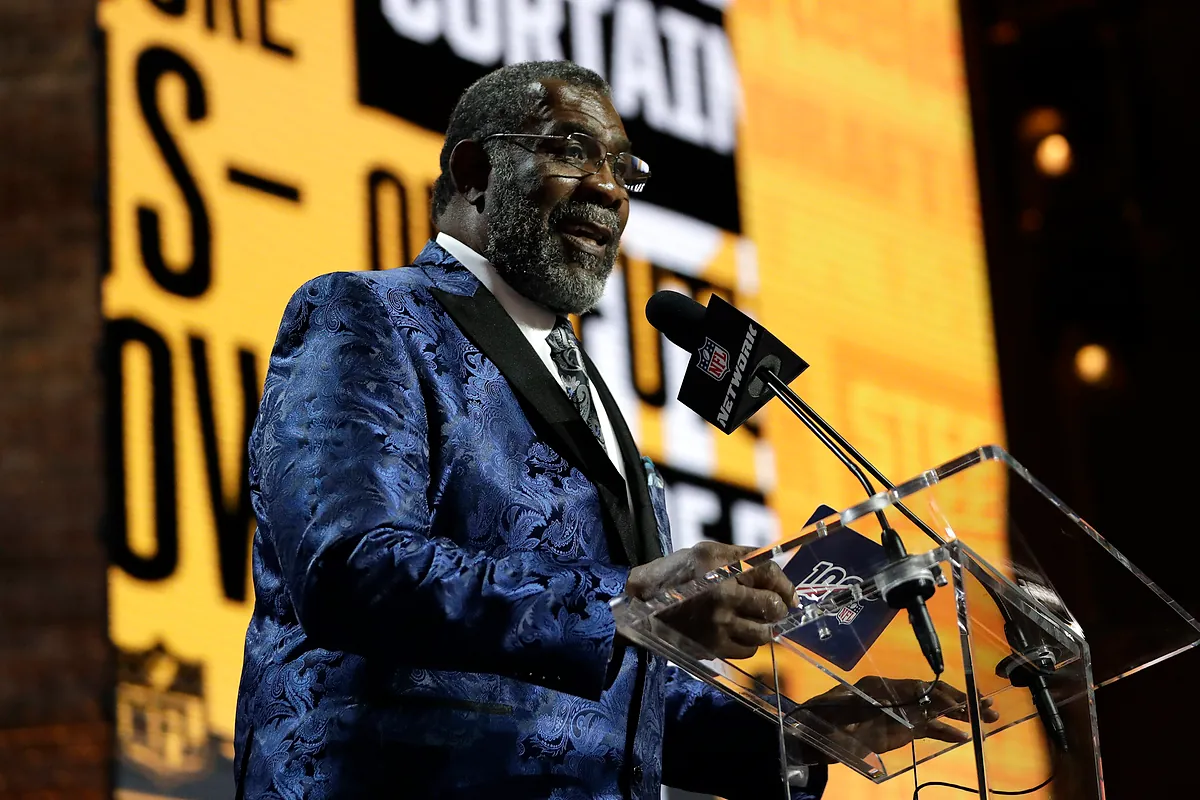
NFL fans experienced a wave of confusion on Friday after a false report circulated on X claiming that NFL legend Joe Greene had passed away. The rumor spread rapidly across timelines, triggering concern among supporters who have long admired Greene for his dominant career with the Pittsburgh Steelers, where he became one of the defining figures of the franchise’s success in the 1970s.
As the message was reposted and reshared, many users reacted with shock, not realizing the claim had not been verified.
It did not take long for the report to be debunked, but by then the misinformation had already reached a wide audience. Greene himself was required to step in and reassure the public that he is alive and well, a response that underscored how disruptive false reports can be for public figures.
Even though the clarification quickly restored accuracy, the episode demonstrated how difficult it can be to reverse the effects of viral misinformation once it gains momentum online.
The incident also reignited broader concerns about the speed and reach of unverified content on social media platforms. In an environment where posts can be amplified within seconds, even baseless claims can appear credible simply due to repetition and visibility.
For many observers, this situation served as another reminder of the importance of verifying information before sharing it, particularly when it involves sensitive subjects such as someone’s death.
Calls for accountability grow after incident
Veteran NFL reporter John McClain publicly addressed the situation, expressing frustration over the recurring nature of false death rumors. Posting on X, McClain argued that individuals who intentionally spread such claims should face meaningful consequences.
“There should be some kind of repercussions for false reports like Joe Greene has died. It’s should be against the law. It’s terrible for family, friends and fans. Joe is alive and kicking!,” wrote McClain.
McClain‘s comments reflect a growing sentiment among some journalists and users who believe that misinformation of this nature goes beyond harmless online chatter.
While freedom of expression remains a central principle of online talk, many argue that knowingly distributing false information about someone’s death represents a significant ethical breach. The emotional toll, even if short-lived, can be considerable, particularly for those close to the person being discussed.
Public reactions to the controversy largely aligned with McClain‘s perspective. Many users expressed disappointment that such rumors continue to circulate and emphasized the need for stronger moderation.
Others noted that while social media has made it easier than ever to share information, it has also increased the responsibility of users to act carefully and verify claims before amplifying them. This episode involving Greene serves as a timely example of the challenges posed by modern information sharing.
Read the full article here