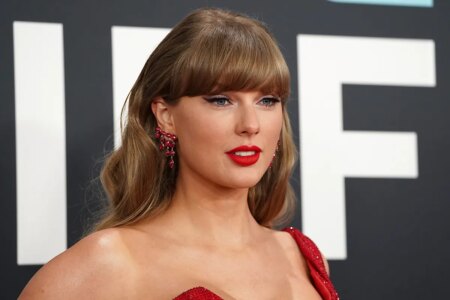




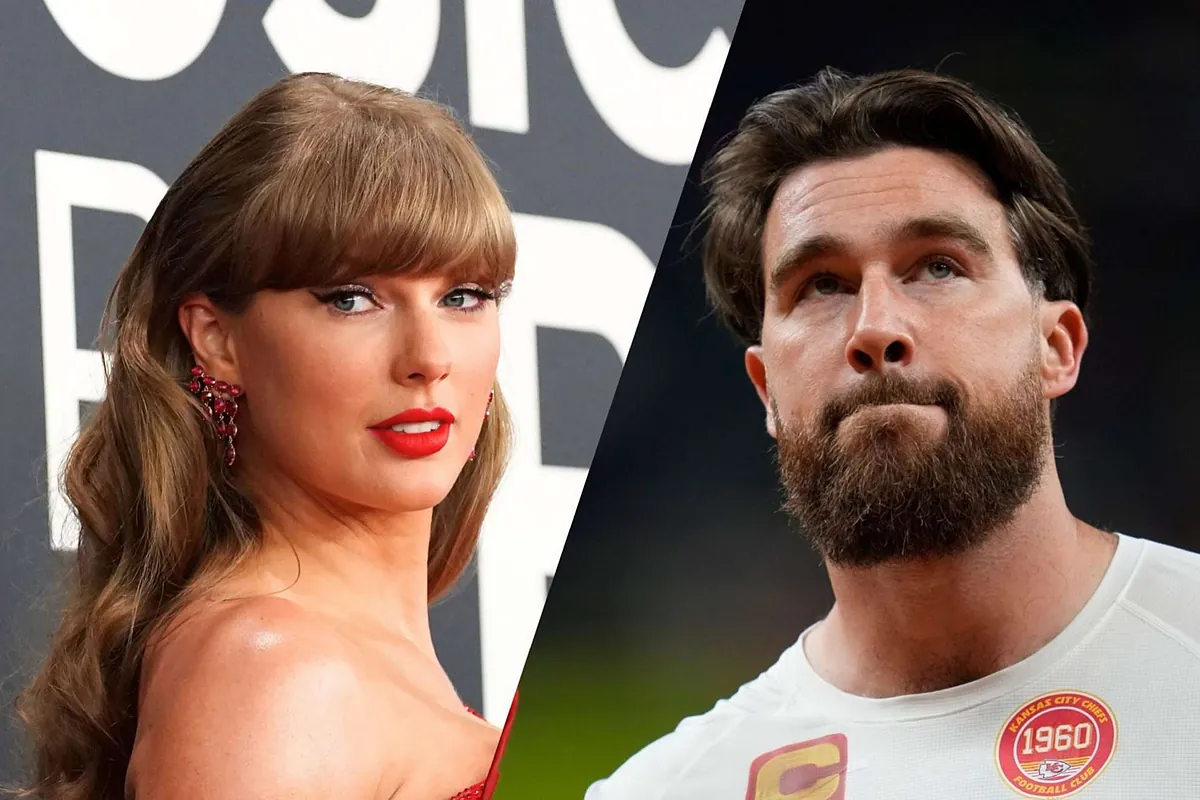
The relationship between Taylor Swift and Kansas City Chiefs tight end Travis Kelce has entered its third NFL season, drawing widespread attention from fans and media alike.
Swift and Kelce publicly confirmed their relationship in September 2023, when the pop icon attended a game at Arrowhead Stadium. That year, the Chiefs captured a Super Bowl title, coinciding with the beginning of their high-profile relationship.
In 2024, the Chiefs returned to the Super Bowl but were defeated by the Philadelphia Eagles. The 2025 season has presented new challenges.
Kansas City started with a 1-2 record, falling to the Los Angeles Chargers in Week 1 and the Eagles in Week 2, before securing a victory over the New York Giants in Week 3.
Despite these mixed results, some NFL fans have directed criticism toward Swift, framing her presence as a potential distraction.
Kelce himself has faced scrutiny for his on-field performance, yet linking the team’s struggles to Swift is unfounded. Her involvement is limited to supporting Kelce as a partner and attending games; she does not participate in coaching, team strategy, or play execution.
Nonetheless, social media commentary has occasionally singled her out when the Chiefs falter, illustrating a pattern of unfairly assigning blame to high-profile women associated with athletes.
Public figures respond to unfair criticism
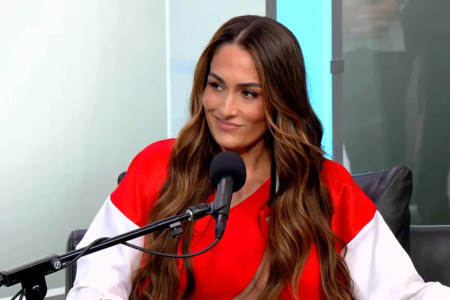
Actress Julia Fox recently addressed the issue, highlighting the tendency to unfairly target Swift. She noted that when Kelce underperforms, some fans attribute responsibility to his partner rather than evaluating the athlete’s performance.
Fox stated, “I remember Travis Kelce lost a game, and then people were saying that it was Taylor Swift’s fault.”
She continued, “If a guy loses a game, it’s a girl’s ‘fault.’ All the superstitions and irrational beliefs that people hold ultimately lead to a woman being blamed.”
Fox’s comments underscore the broader issue of gendered criticism in sports culture. Women connected to athletes often receive disproportionate scrutiny, despite having no role in the team’s operations or competitive outcomes, and often leading to misogynistic criticism.
Swift‘s frequent appearances on broadcasts and her visibility in the stands are due to her celebrity status, not any influence over the Chiefs‘ performance.
The narrative surrounding Swift illustrates how public perception can conflate personal relationships with professional performance.
When a team struggles, spectators and social media commentators sometimes search for scapegoats beyond the players and coaching staff, and high-profile partners are vulnerable to such scrutiny.
Despite these challenges, Swift has continued to support Kelce publicly while maintaining her professional career and personal privacy.
Ultimately, the performance of the Kansas City Chiefs is determined by player execution, coaching decisions, and team dynamics. Assigning responsibility to Swift for the team’s losses is both unfounded and unproductive.
Public commentary from figures like Julia Fox highlights the need to separate athletic outcomes from unrelated personal relationships and serves as a reminder that criticism should be directed toward those directly involved in performance and strategy, not supporters or partners.
By recognizing the distinction between professional performance and celebrity association, fans and media can focus on legitimate factors influencing team success rather than perpetuating unfair narratives about Swift or other high-profile figures.
Read the full article here