




The Australian Open has a way of amplifying everything. The heat, the pressure, the stakes. On Thursday, Jan. 22, all of that came together during a second-round match that ended with more questions than applause. A tightly contested three-set encounter pushed both players physically and emotionally, setting the stage for an exchange that would quickly draw attention beyond the court.
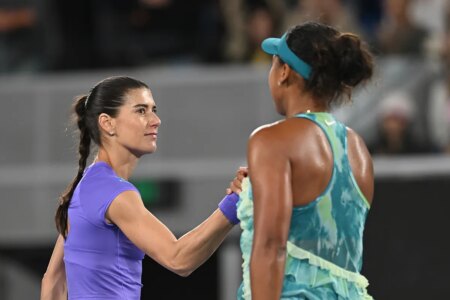
The match itself swung back and forth. Momentum shifted, nerves surfaced, and the atmosphere grew heavier with each game. One player advanced after grinding through a deciding set, but the usual release of tension at the net never quite arrived. Instead, a brief but noticeable conversation hinted that something during the match had struck a nerve.
Moments later, the situation followed the winner into the spotlight. Asked about the exchange during the on-court interview, Naomi Osaka appeared emotional as she addressed complaints from Sorana Cirstea regarding repeated “Come on” shouts between serves. Osaka acknowledged the frustration, mentioned her own struggles with errors, and offered an apology that felt raw and unscripted.
“I’m a little confused. I guess that emotions were very high for her. I also want to apologize. I think the first couple things that I said on the court was disrespectful. I don’t like disrespecting people. That’s not what I do…
Naomi Osaka & Sorana Cirstea: A moment that went beyond tennis etiquette
The conversation did not end there. In her press conference, Osaka expanded on her comments, admitting she felt unsettled by the situation and unsure of the expected response in moments like these. She was clear in her intent to apologize, calling her on-court remarks disrespectful and emphasizing that disrespect is not part of her values as a competitor.
Context mattered. Cirstea was playing what she has said will be her final Australian Open, having announced her retirement from the tour last year. Osaka acknowledged that emotions were likely heightened, especially given the significance of the moment. She also stressed that her vocal celebrations were never meant to distract, but rather to keep herself focused under pressure.
The episode sparked broader discussion. Self-motivation is common in modern tennis, farewell appearances can intensify reactions on court. The WTA has long encouraged respect between players, though no formal issue was raised.
“So yeah, I mean, if she wants to talk about it, then yeah. But, like, when I’m pumping myself up, in my head I’m not like, okay, now I’m going to distract the other person. It’s purely for me..
With the dust settling, Osaka now looks ahead to her third-round match against Maddison Inglis. The focus returns to tennis, but the moment lingers as a reminder that even routine rituals can carry weight when everything else is already turned up to full volume.
Read the full article here