



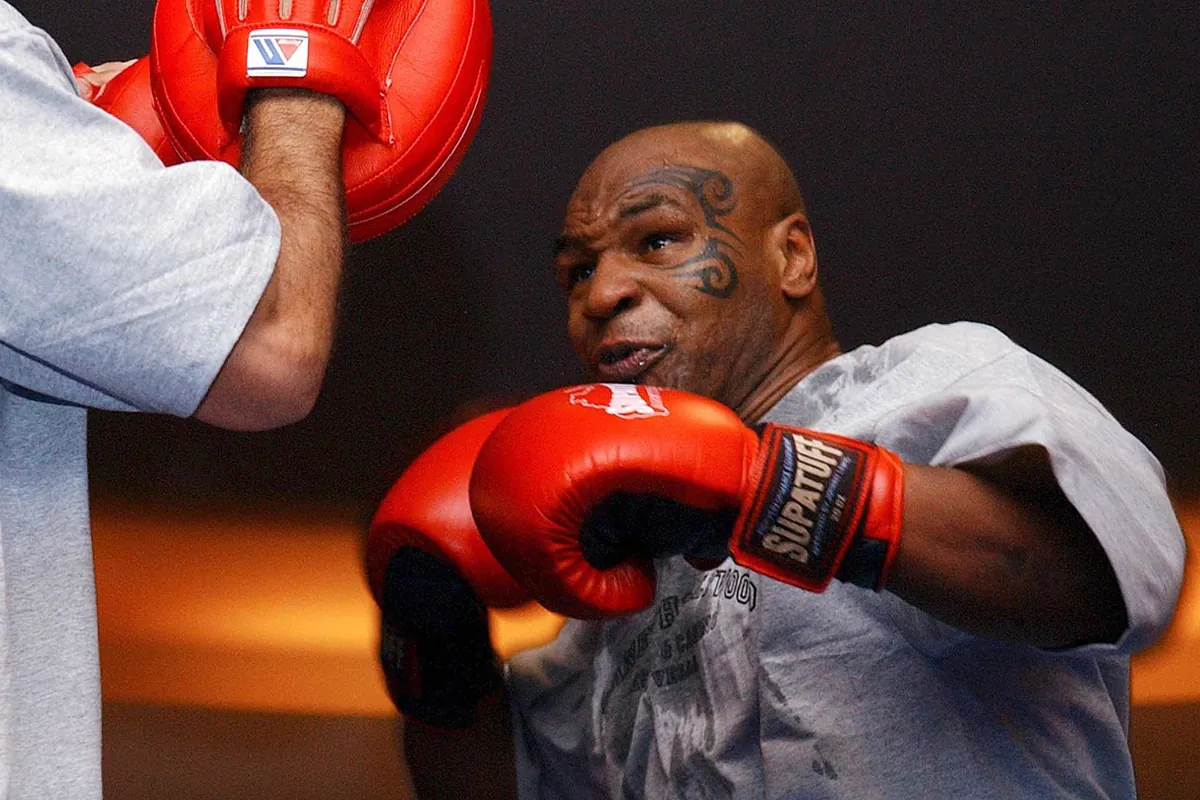
Mike Tyson, who dominated heavyweight boxing in the early 1990s, has issued a blunt warning to modern fighters, claiming they avoid the best, fight infrequently, and prioritize protecting records over testing themselves against elite competition.
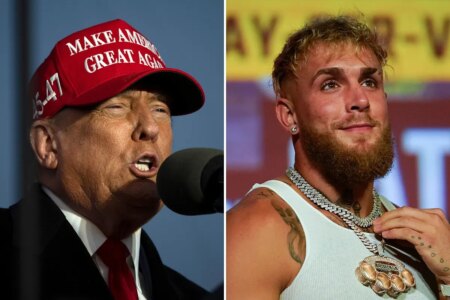
More than a year ago, Tyson, at 58, stepped into the ring against a much younger opponent, Jake Paul. Now approaching 60, he is reportedly preparing an exhibition bout against Floyd Mayweather, reigniting conversations about the state of professional boxing and its champions’ willingness to take risks.
During an interview with Ariel Helwani, Tyson criticized contemporary fighters for their lack of activity and courage, arguing that champions often fight just once or twice a year, leaving fans and younger fighters with little context to understand their skill, story, or character.
“Listen, this is what fighters should be thinking right now about me,” Tyson told Helwani. “How could this guy be 60 years old and break all the records? They should be. They should be disappointed with themselves.
“How could this old cat come in here and break all the records? They fight once or twice a year, these guys. No one knows who they are; they need to have a story behind them.
“They have clientele who watch them, and people look up to them and follow them.”
Helwani asked if big paychecks had worsened the issue, giving fighters the ability to compete less frequently, but Tyson dismissed the idea, arguing that desire, not money, determines how often a fighter steps into the ring and tests himself against the best opponents available.
“(It’s) not that they’re getting paid too much. It’s just that they don’t want to do it,” Tyson continued. “Why would you? Listen, if you like getting paid, you’ve got a lot of money. Why don’t you do that three times a year instead of once?
“We’re going to get more money, anyway. It’s just-it’s a no-lose situation; it’s all up. It’s all a win. Everything’s a win. You’re fighting, you’re getting in shape, and you’re getting paid more money than you ever did before.”
How Canelo Alvarez and Terence Crawford are exceptions to this rule
Tyson’s comments highlight a broader trend in boxing, where major fighters avoid risky matchups and schedule fights sparingly, often focusing on lucrative opportunities over competitive challenges, a contrast to his own career approach when he was active at the peak of the heavyweight division.
But Tyson’s critique of modern activity and risk-taking is contrasted by fighters like Terence Crawford and Canelo Alvarez.
Crawford became the first three-division undisputed champion in men’s boxing this past September with a win over Canelo, though his previous fight had been more than a year earlier against Israil Madrimov.
Alvarez himself has maintained a predictable schedule, competing twice per year around Cinco de Mayo and Mexican Independence Day weekends, often challenging skilled opponents and taking risky fights.
Not all of the scheduling challenges fall on fighters. Broadcast complications, expanding pay-per-view models, and promotional requirements contribute to longer gaps between bouts, meaning the modern boxing calendar often prioritizes revenue and exposure over frequent competition.
Still, Tyson’s warning resonates, as champions appear willing to wait for the right matchup that is both safe and financially rewarding.
The sport’s momentum has shifted with events like Riyadh Season, which has showcased high-profile matchups such as Oleksandr Usyk versus Tyson Fury and Artur Beterbiev versus Dmitry Bivol, elevating visibility for fans globally.
Read the full article here