

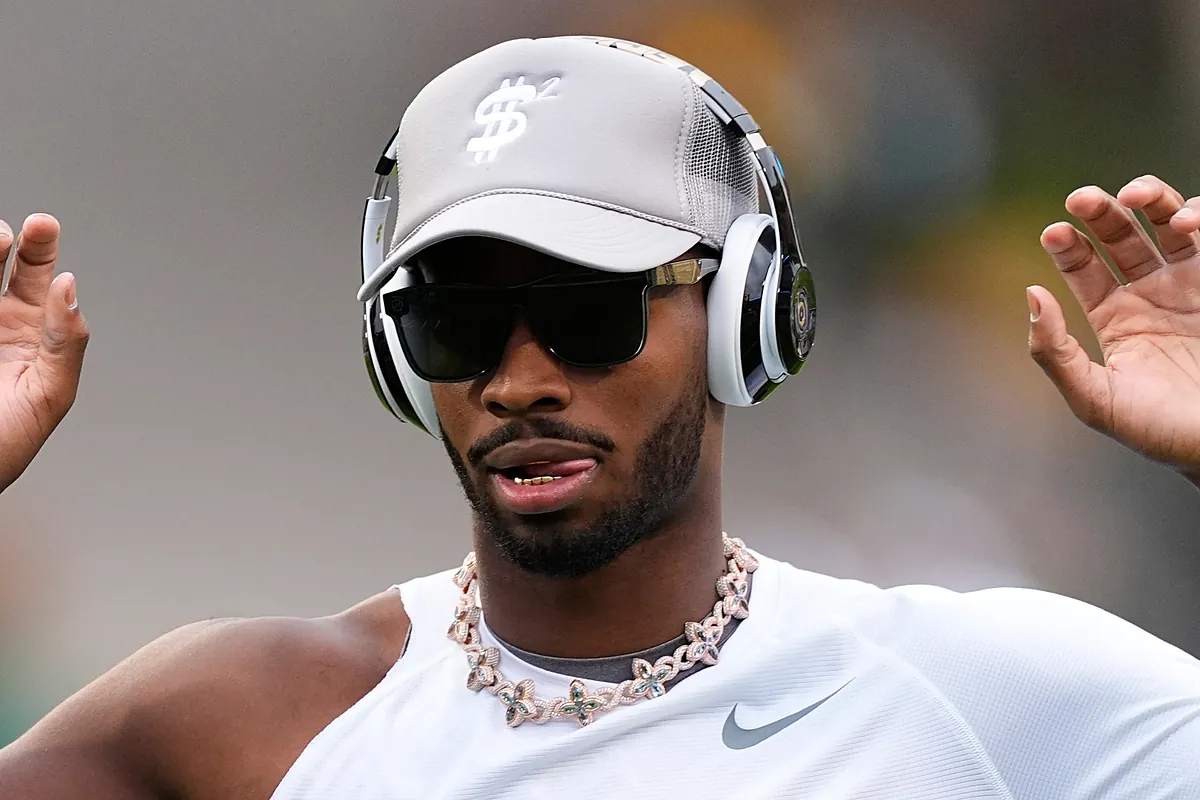
The NFL’s Pro Bowl has spent years searching for relevance, and this season that struggle has surfaced in dramatic fashion.
Rookie quarterback Shedeur Sanders, who started fewer than half of the regular season games, was named a replacement Pro Bowler, reigniting debate over whether the honour still reflects on-field excellence or something else entirely.
Sanders, the first-year passer for the Cleveland Browns, appeared in just eight games during the 17-game schedule.
Related:
- Super Bowl 2026: Date, time, location, and everything to know
- Where to watch the Super Bowl 2026? TV channel and streaming
- Super Bowl Halftime Show 2026: Everything about Bad Bunny’s performance
- How much do tickets for the Super Bowl cost in 2026?
- Super Bowl Winners List: All teams that have won the Vince Lombardi
He took over as the starter in Week 11 for a team that was 2-8 at the time and finished with a 3-4 record under centre. Statistically, his case is thin.
He threw seven touchdowns against 10 interceptions, ranked last among qualified quarterbacks in completion percentage at 56.6 percent, and was second-last in passer rating at 68.1.
For critics, it recalls the backlash from 2022, when Tyler Huntley made the Pro Bowl after starting only four games.
Yet while much of the reaction has been derision aimed at the league and the Pro Bowl Games themselves, one prominent voice has gone against the grain.
Michael Irvin, the Hall of Fame wide receiver and longtime NFL analyst, has defended the selection by framing it through a business lens rather than a football one.
Why Sanders’ selection fits the modern NFL economy
Irvin argued that the league’s motivation is not subtle. “Are they putting him up there because they want to profit off him,” Irvin suggested. “Nobody cared about the Pro Bowl.
Now everybody cares, everybody’s talking about the Pro Bowl. Nobody was talking about the Pro Bowl, but now everybody’s talking about the Pro Bowl. All of that may have something to do with it.”
From that perspective, Sanders represents attention, conversation, and visibility, commodities the Pro Bowl has struggled to generate in recent years.
Irvin also emphasized that, regardless of the path taken, being labeled a Pro Bowler as a rookie is still meaningful. He described the nod as a “hell of an accomplishment,” even if the route there has raised eyebrows.
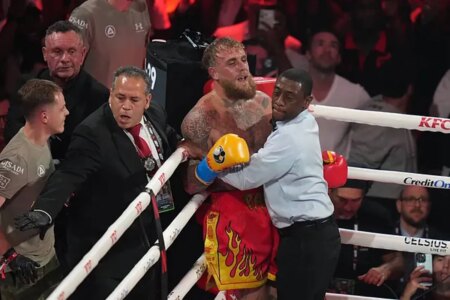
Irvin invokes Jake Paul as definition of success
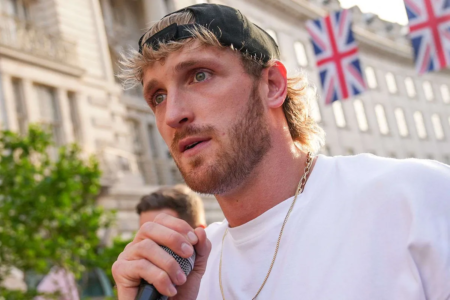
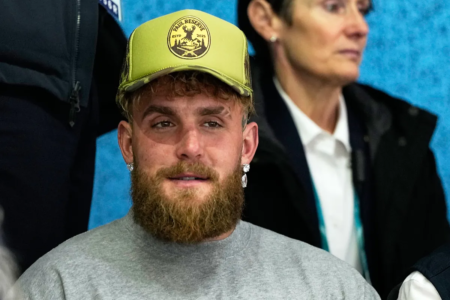
To underline his point, Irvin reached beyond football and into combat sports, comparing Sanders‘ rise to that of social-media-turned-boxing star Jake Paul. In Irvin’s view, modern success is no longer dictated solely by traditional merit-based progression.
“Jake Paul has done wonders with his popularity and his notoriety, it’s a currency,” Irvin said.
“This is the business. Jake Paul didn’t work his way up through amateur boxing … he took the currency of notoriety, visibility and he surpassed all of those guys that did it the old way.”
The comparison is provocative but intentional. Irvin is arguing that visibility and marketability now carry weight equal to, or sometimes greater than, résumé-building performance.
The path to Sanders‘ selection also reflects how thin the Pro Bowl pipeline became this year. Josh Allen, Drake Maye, and Justin Herbert were initially named as AFC quarterbacks. Maye advanced to the Super Bowl, while Allen and Herbert opted out due to injuries, Herbert with a broken hand and Allen with a surgically repaired broken foot. Patrick Mahomes and Bo Nix were also injured.
That left the league with choices. Healthy quarterbacks such as Lamar Jackson, Joe Burrow, and Trevor Lawrence were available, which fuels speculation that either multiple players declined or the league made a calculated decision to elevate the most talked-about name.
Whether seen as a dilution of standards or a savvy business move, Sanders‘ Pro Bowl selection has accomplished one undeniable thing: people are talking about the Pro Bowl again. In Irvin’s eyes, that alone may explain everything.
Read the full article here