



Excitement is steadily building for the 2026 season of the WNBA, which is currently scheduled to tip off on May 8. While collective bargaining agreement negotiations could potentially shift that timeline, anticipation around the league continues to grow.
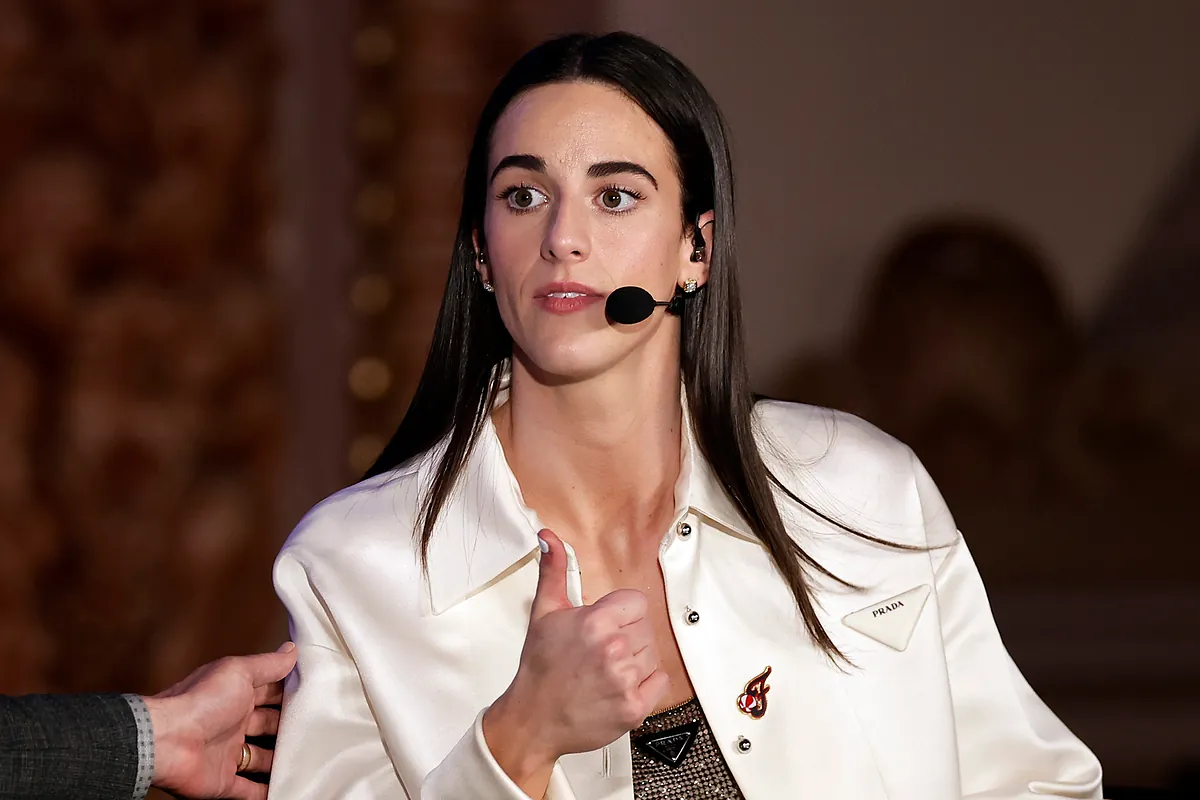
At the center of that energy is Caitlin Clark, whose presence has transformed the conversation surrounding women’s professional basketball in just a short period of time.
Now preparing for her third season with the Indiana Fever, Clark has already established herself as one of the league’s most electrifying stars. In only two years, she has broken the single-season and single-game assist records, delivered one of the highest-scoring rookie campaigns in league history, and became the first rookie to record a triple-double.
Her style of play – defined by deep shooting range, sharp court vision, and confidence under pressure – has drawn record-setting crowds and boosted national television ratings.
Yet with that level of visibility comes constant scrutiny. Clark‘s rapid ascent has made her a fixture in sports debates, often placing her at the intersection of conversations about popularity and the evolving identity of the league.
The latest controversy emerged not from her performance on the court, but from comments made by a former NFL star.
Debate ignites over McCoy’s statement
During a recent appearance on the sports talk show Speakeasy, two-time Super Bowl champion LeSean McCoy offered strong praise for Clark, calling her “the most influential white athlete of all-time.” While clearly intended as a compliment, the phrasing immediately sparked backlash across social media platforms.
Many critics questioned why race needed to be part of the discussion at all. Some fans argued that framing her influence through a racial lens overshadowed her accomplishments and unnecessarily shifted the focus.
“If the roles was reversed it would be considered racist!” wrote one fan.
“White athlete? She’s the most influential athlete period,” wrote another.
“Take his mic away,” added another.
“Nothing against Clark, but his statement is a gross exaggeration,” wrote another fan.
Supporters, however, interpreted McCoy‘s statement as recognition of Clark‘s undeniable cultural reach. Her games consistently generate massive attendance numbers, merchandise sales have surged, and her highlights dominate sports broadcasts.
Even casual fans who previously paid little attention to the WNBA now tune in when she plays.
Clark herself has largely remained poised amid both praise and criticism throughout her young career. She has already navigated intense media attention, physical defensive schemes aimed at limiting her effectiveness, and constant commentary about her impact on the league.
As the WNBA works toward stability and prepares for another highly anticipated season, Clark‘s influence is clear. McCoy‘s comment may have ignited controversy, but it also underscores a larger truth: few athletes today command the spotlight quite like Caitlin Clark.
Read the full article here