

The situation surrounding Jonathan Kuminga and the Golden State Warriors has once again moved to the forefront, underscoring a relationship that appears increasingly difficult to stabilize.
What began as a promising developmental arc for a former lottery pick has evolved into a recurring debate about opportunity, patience, and organizational direction, all unfolding with the NBA trade deadline fast approaching.
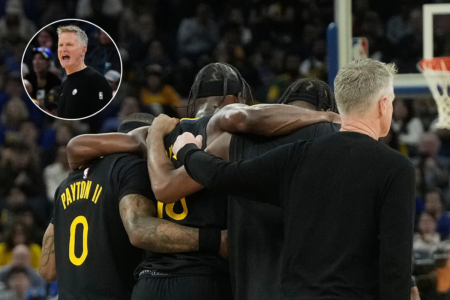
Kuminga‘s reappearance in Steve Kerr‘s rotation came under unusual circumstances.
With Jimmy Butler sidelined for the season due to a torn right ACL, the Warriors were forced to adjust their lineup, opening the door for Kuminga after he had been inactive for 16 consecutive games.
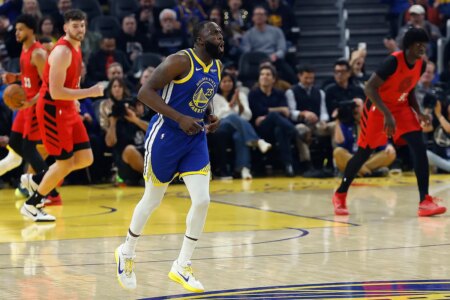
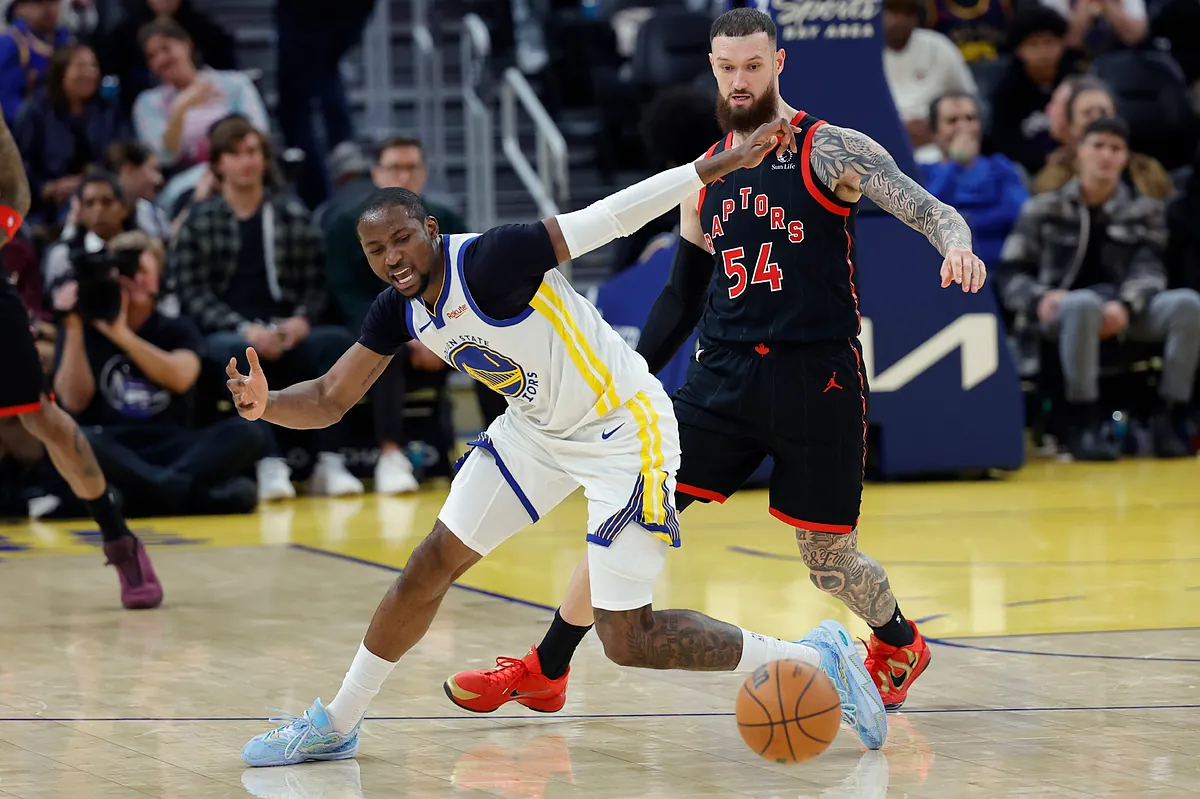
In a 145-127 loss to the Toronto Raptors, the forward delivered a notable response, scoring 20 points on 7-of-10 shooting in just 21 minutes off the bench.
While the defeat snapped Golden State‘s four-game winning streak, Kuminga‘s efficiency immediately reignited league-wide discussion about his role and future.
Despite limited opportunities over the past month, Kuminga‘s performance suggested readiness rather than frustration on the floor.
That contrast has only amplified questions about why a player of his physical profile and offensive potential struggled to earn consistent minutes on a team searching for athleticism and scoring depth beyond its core veterans.
Public signals expose deeper organizational strain
Behind the scenes, the tension has been less subtle. Kuminga‘s agent, Aaron Turner of Verus Basketball, has repeatedly voiced dissatisfaction with how the Warriors have handled his client.
Following the Raptors game, Turner took to social media with a pointed message aimed at the broader NBA ecosystem, tagging former Dallas Mavericks owner Mark Cuban and former All-Star Victor Oladipo.
“Demand is sensitive to price or playing time,” Turner wrote. “So if a seller sees demand is low, lower the price point or let him play and demand will go #IUEconomicsMajor #Nationalchamps.”
The post appeared to be a direct rebuttal to comments made earlier in the day by Warriors general manager Mike Dunleavy Jr., who addressed speculation surrounding Kuminga’s future.
When asked about trade demands linked to the forward, Dunleavy responded bluntly: “When you make a demand, there needs to be a demand.”
That remark encapsulated the organization’s position. While Kuminga‘s camp has made clear its desire for a change of scenery dating back to the offseason, the Warriors remain focused on extracting meaningful value if a deal is to be made.
From Golden State‘s perspective, moving a young, controllable asset without sufficient return would undermine their ongoing effort to remain competitive in the Western Conference.
Yet the broader context complicates matters.
The Warriors are attempting to balance short-term contention with long-term sustainability, a challenge intensified by injuries and an aging core. Kuminga, still just 22, represents both a potential solution and a bargaining chip.
For now, the partnership continues out of necessity rather than alignment. With Butler out and rotation minutes available, Kerr is likely to rely on Kuminga‘s athleticism and scoring punch.
Whether those opportunities repair trust or merely increase his trade value remains uncertain.
What is clear is that the coming weeks will be pivotal, not just for Kuminga‘s career trajectory, but for how the Warriors define their priorities moving forward.
Read the full article here