


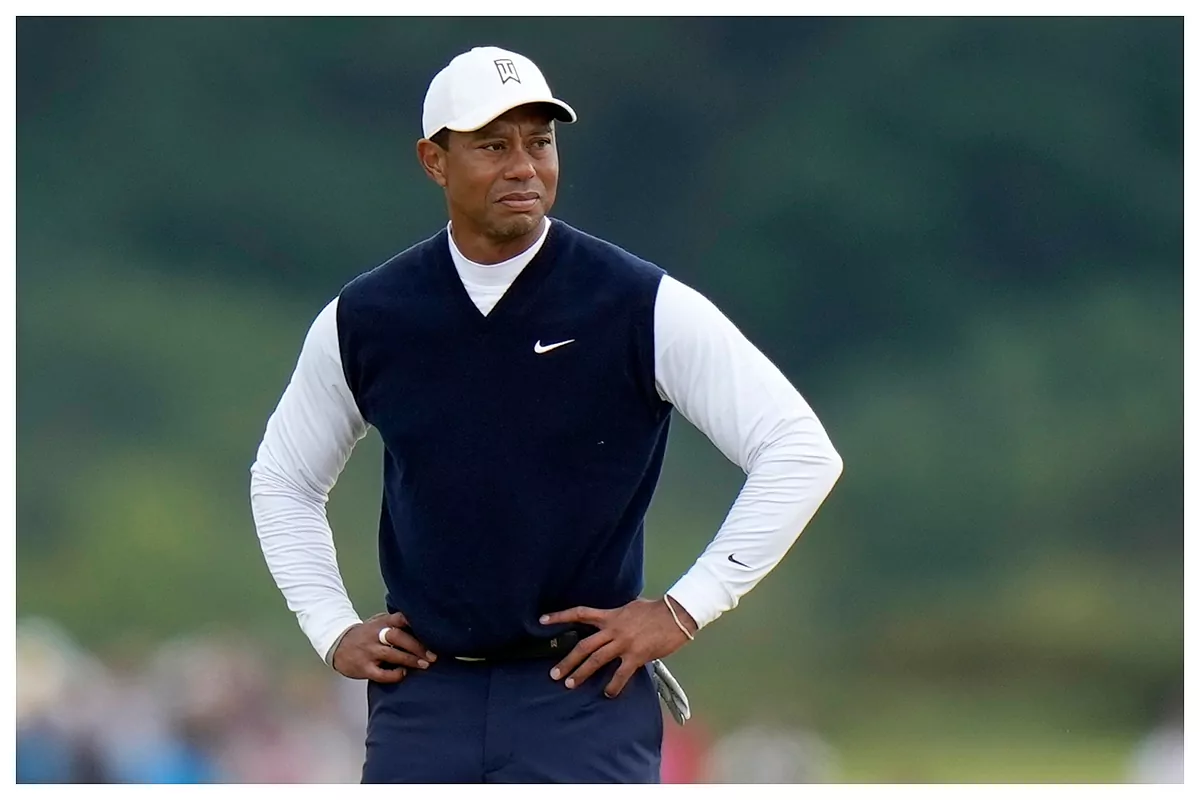
Tiger Woods‘ March 27 arrest in Jupiter Island, Florida, where the golf legend was taken into custody on suspicion of DUI with property damage and for refusing a lawful test after his SUV flipped, has sparked more than legal questions.
It has reopened a national conversation about addiction, pain management, and how elite athletes cope with life after peak performance.
Following Woods‘ recent DUI arrest, addiction specialist Dr. Drew Pinsky offered a blunt assessment of the situation.
Speaking publicly, he suggested that Woods may be dealing with a “chronic pain and addiction” cycle-one that has not been properly addressed.
According to Dr. Drew, the combination of repeated surgeries and long-term pain management could be contributing to a larger issue.
“The question becomes, why are these doctors continuing to prescribe to this guy?” he said, pointing to concerns about ongoing treatment and oversight.
Tiger Woods DUI arrest raises fresh concerns about addiction and recovery
Woods was arrested after a recent incident in Jupiter Island, where his vehicle reportedly rolled over following erratic driving.
A breathalyzer test showed no alcohol in his system, but he refused a urine test, leading to his arrest.
This is not an isolated event. Woods‘ history includes:
- A 2009 crash near his Florida home
- A 2017 DUI arrest after being found asleep behind the wheel
- A 2021 car accident in Los Angeles that caused major leg injuries
Each incident has added to growing concern about his long-term well-being and decision-making.
Dr. Drew‘s comments shift the conversation from legal consequences to health and accountability. He argues that Woods may not have received the level of care needed to manage both chronic pain and potential dependency issues.
At the same time, he was clear that responsibility still lies with Woods. Choosing to drive under questionable conditions remains a personal decision, one that has now repeated over multiple years.
Public reaction has been divided. Some voices are calling for stricter accountability, given the repeated nature of the incidents. Others, like Dr. Drew, are advocating for one final opportunity, provided it comes with proper treatment.
“To my eye, he has not gotten proper care,” Dr. Drew said. “If he gets proper care and fails, then that’s enough…you’ve given him a chance.”
That perspective suggests a final turning point rather than an open-ended cycle.
Woods now faces legal proceedings related to the arrest, but the bigger question is what happens off the course. Will he seek comprehensive treatment? Will those around him intervene more directly?
With events like the The Masters approaching, his professional future remains uncertain, but increasingly secondary to his personal health.
Read the full article here