

As Augusta National once again became the centre of the golfing world, yet Tiger Woods was missing from the fairways but still dominating the conversation for very different reasons.
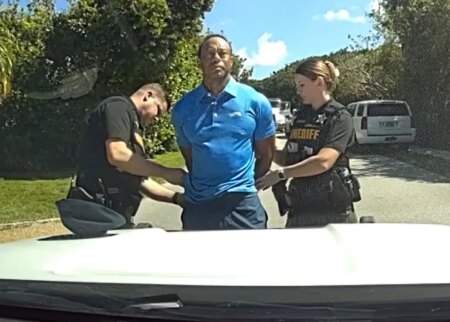
Woods, whose legacy is deeply tied to the Masters, was absent following his recent arrest, prompting concern and reflection across the sport.
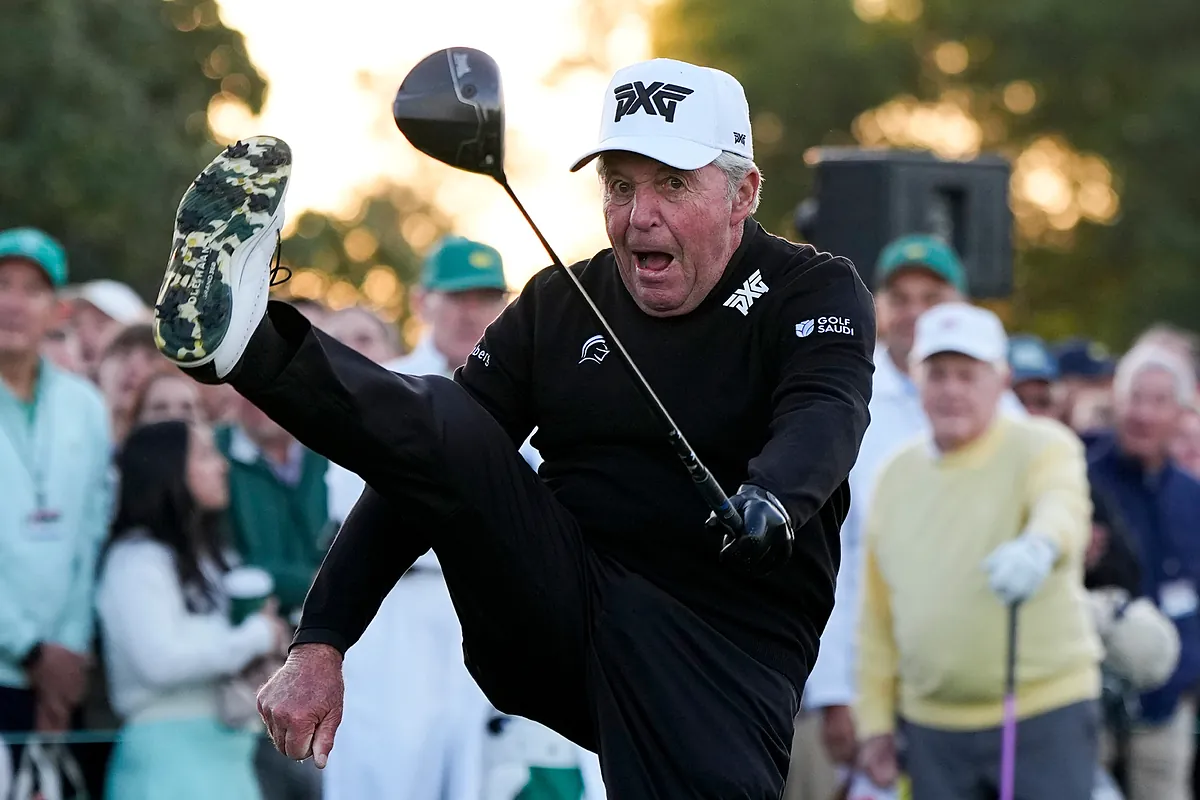
Among those to speak out was Gary Player, who offered a candid but compassionate message aimed at protecting Woods from further harm. The nine-time major winner did not criticise the circumstances outright, but made it clear that one aspect of Woods lifestyle must change.
“Do I blame him for taking medicine? Hell, no,” Player said. “He has sleep deprivation… but I don’t think he should drive a car. When you’re taking that medicine, it’s dangerous when you’re driving a car.”
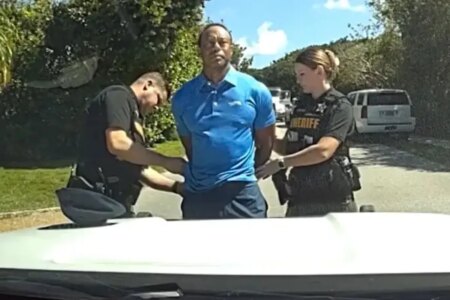
Woods latest incident unfolded in late March, when he was arrested near his Florida home after his vehicle overturned. Authorities later confirmed he had taken medication, and reports indicated the presence of hydrocodone, a powerful painkiller commonly prescribed after surgery.
For Player, the situation cannot be separated from the physical toll Woods has endured. Years of injuries, including multiple back procedures and the devastating leg damage suffered in a 2021 crash, have left the 15-time major champion battling chronic pain.
“My heart goes out for him,” Player said. “There’s nothing worse than living in pain every day of your life. You can’t think of anything worse.”
The comment reflects a broader understanding within golf: that Woods struggles are not simply about one incident, but the cumulative impact of a career pushed to its limits.
While expressing sympathy, Player message was ultimately direct. The risk, he suggested, is no longer worth taking, especially given the potential consequences for both Woods and others.
“I think all he’s got to do is just not drive a car and get a chauffeur,” Player added. “My reflexes, I think, are as good as when I was 20. But I don’t drive anymore.”
It’s advice shaped by experience, but also by perspective. Player, now 90, understands the importance of adapting with age, something even the greatest athletes cannot avoid.
Silence from close allies as focus shifts to recovery
Those closest to Woods have taken a more measured approach. Former caddie Joe LaCava, who shared some of Woods most successful years, revealed he has chosen not to reach out immediately, allowing the golfer space to deal with the situation.
“He’s got to help himself, which is what I’m hoping he’ll do,” LaCava said. “I care greatly about him… but he’s got enough stuff going on.”
Woods has since travelled to Switzerland to undergo treatment, stepping away from the sport and public life as legal proceedings continue in the United States. Reports indicate prosecutors are seeking access to his medical records as part of the case.
A legacy that now faces a different test
At Augusta National, Woods absence was a reminder of how much the game has changed, and how much he still means to it. His five green jackets and countless defining moments remain central to the tournament’s modern history.
But the focus has shifted. This is no longer about chasing another title or adding to an already unmatched résumé. Instead, it’s about stability, recovery and what comes next.
For Player, the hope is simple: that Woods can navigate this phase with the same determination that once made him unstoppable. The difference now is that success will not be measured in trophies, but in decisions, starting with one that could shape the rest of his life.
Read the full article here