


Much has been said and written about the long-term consequences of repeated head-to-head contact among NFL players. Recently, the death of a former NFL player was reported, prompting one of his former teammates to speak out on the issue.
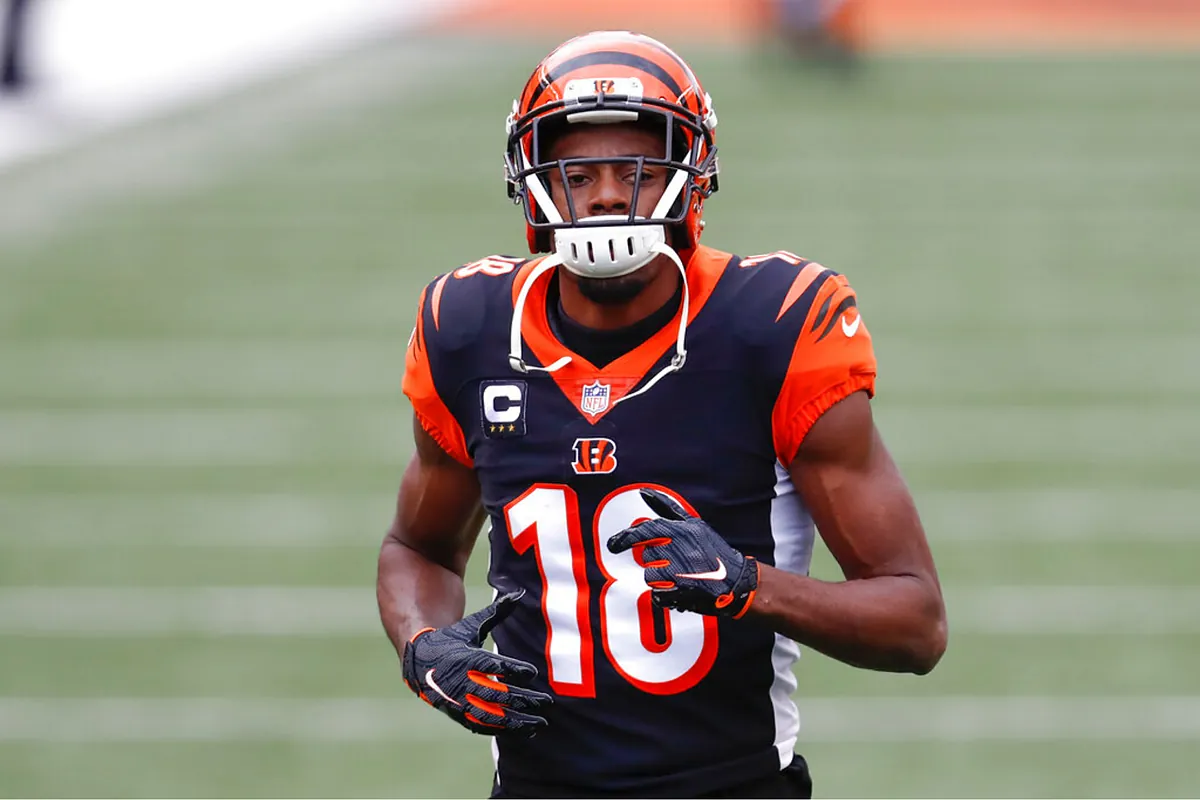
AJ Green, now retired from the NFL, is urging the league to do more regarding mental health, especially for players who struggle with these challenges.
Green spent most of his career with the Cincinnati Bengals and concluded his 12-year tenure with the Arizona Cardinals, where he met Rondale Moore. At that point, Green was already a seasoned veteran, while Moore was just beginning his professional journey.
The two were affectionately known as the “third and oldest kid.” Tragically, it was recently revealed that the young player died by suicide in Indiana after dealing with numerous injuries. In response, Green has called for stronger action on this issue.
AJ Green calls for greater attention to players with mental health issues
The loss deeply affected AJ Green, which is why he is now advocating for increased awareness and support for players.
To me there’s a lot that could still be improved in the NFL, as far as how the league is helping its players with their mental health.”… ‘And one way I would start is by making it mandatory, if you have a major injury, that you see an independent mental health counselor as part of your rehab.
And by also making it mandatory, if you have a second major injury, that you see an independent mental health counselor for an extended period of time, even after your rehab.
The 37-year-old Green wrote.
From his perspective, mental health care should be treated as an essential component alongside physical rehabilitation.
None of that means anything if the people who are making the football decisions, in private, are viewing mental health issues how I feel like a lot of times they still get viewed: as a red flag.”…’That’s the truth. No one in any front office will ever say it out loud. No scout is ever gonna put it in a scouting report. But that’s how it’s viewed in this league by a lot of people.
Stories like Rondale’s will probably keep happening,’ he continued. ‘Because it means we’re telling players that having a mental health issue is gonna f*** with their money. And if we’re telling players that, then we’re creating an incentive for them to lie about their mental health.
He wrote, adding:
And if players lie about their mental health, then they’re going to feel shame about their mental health. And they’re not going to get the help they need – and whatever issues they’re facing are not going to get better, and are probably going to get worse.
Moore died last February in what authorities believe was a suicide involving a firearm. The news of his death once again shook the NFL. It is also worth recalling that during the season, Dallas Cowboys player Marshawn Kneeland tragically took his own life.
This is an issue the league must take more seriously to preserve the lives of both former and active players who suffer from severe depression and require specialized medical attention.
Read the full article here