



In most major North American sports, there are winners and there are losers. In soccer, there are draws – or you may refer to them as ties.
However, there will come a point in this summer’s FIFA World Cup where a winner will need to be crowned, and when that moment comes, extra time will be implemented.
Ever heard of overtime? The term in soccer is extra time, but it works very similarly. But what is extra time, and how does it work? When does it get implemented at the World Cup?
Here is everything you need to know about extra time at the 2026 FIFA World Cup.
What Is Extra Time?
Once we get to the knockout rounds of the World Cup – meaning the win-or-go-home portion of the tournament – we’ll start to see extra time in effect. If a match is tied after 90 minutes of regulation play, then we go into extra time.
Extra time is a 30-minute period, containing two 15-minute halves.
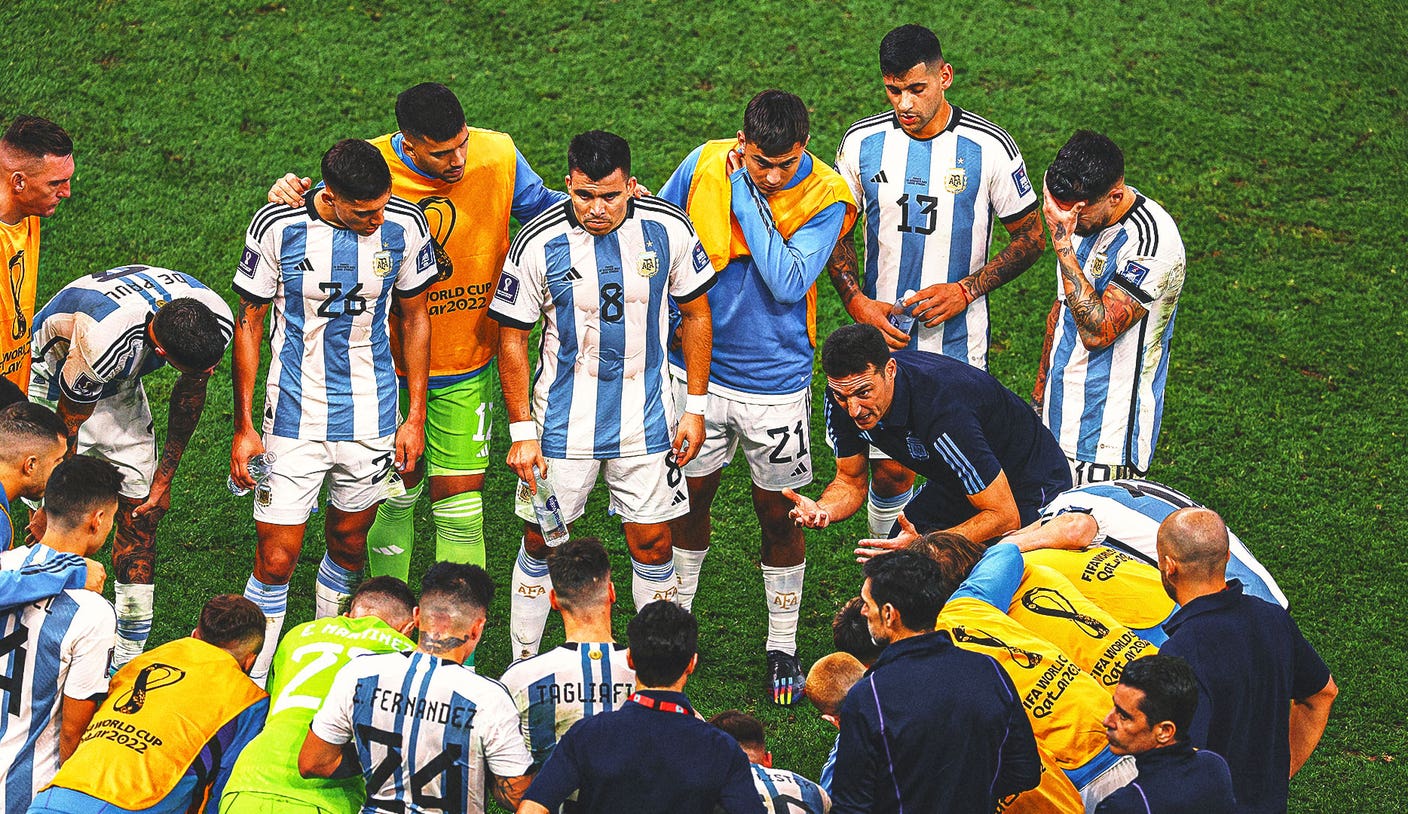
Argentina’s players gather during the shootout after extra time of the 2022 World Cup quarterfinal against the Netherlands. (Photo by MANAN VATSYAYANA/AFP via Getty Images)
Is There Extra Time In The Group Stage?
No, games can only go to extra time during the knockout phase of the tournament, which starts with the Round of 32. Extra time previously started in the Round of 16, but it now starts earlier due to the tournament’s expansion from 32 to 48 teams. In the group stage, teams can finish games with a draw if the score is tied.
Is There Sudden Death In Extra Time? What Was the Golden Goal?
No, unlike ice hockey, there is no sudden death in extra time for soccer. That means if a team scores at any point of the extra time, the match continues until that 30-minute period is done.
The World Cup did have a brief experiment with a version of sudden death, calling it the “Golden Goal.” It was in effect for two editions – the 1998 World Cup in France and the 2002 World Cup co-hosted by Japan and South Korea – before being removed.
During those two tournaments, four games ended with a game-winning Golden Goal. The first one occurred in 1998 when the France defender Laurent Blanc scored in the 114th minute to help his side beat Paraguay in the Round of 16. France would eventually go on to win its first ever World Cup trophy.
The Golden Goal rule proved to be so controversial that we even named it as one of our top-100 World Cup moments.
This Rule Proved Too Cruel 🇫🇷 No. 93 in Best FIFA World Cup™ Moments 🏆
There were three instances of the “Golden Goal” at the 2002 World Cup – including in Türkiye’s quarterfinal win over Senegal – before the World Cup returned to having a full extra-time period.
What Happens After Extra Time? Does It Go To Penalties?
Correct! If both teams are still tied at the end of the 30-minute extra-time period, the match gets decided in a penalty shootout.
Penalties. Pens. PKs. Penales. Whatever you want to call it, a penalty shootout is one of sport’s most nerve-wracking spectacles. Both teams take alternate kicks from the penalty spot. If, during the first five chances, no team has converted enough to win – then we go to “sudden death” and penalties are taken until someone misses.
Which World Cup Finals Have Gone To Extra Time? What About Penalties?
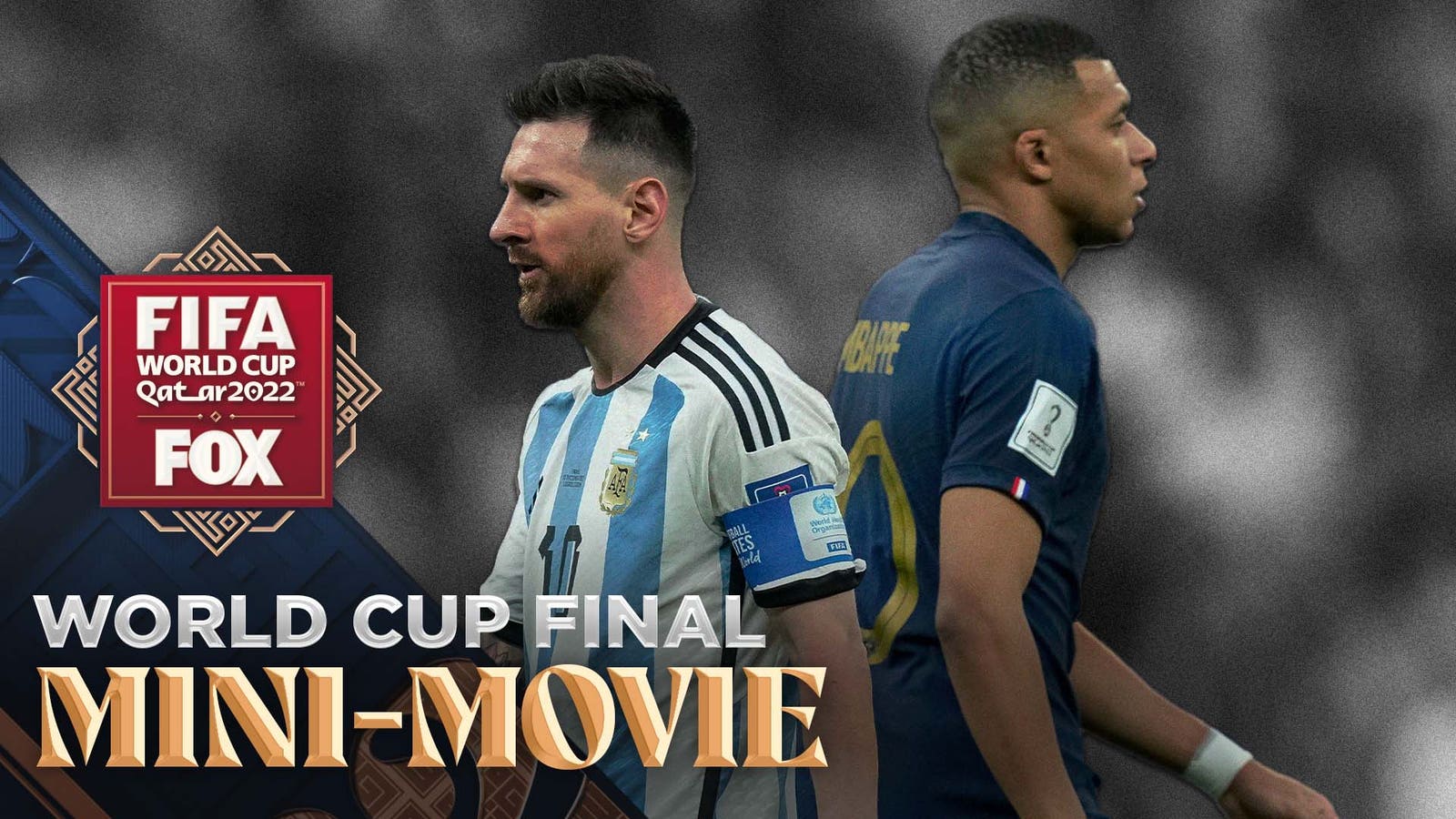
Surprisingly, a lot of the finals have needed extra time and even penalties to decide the champion. That included the 2022 epic where Lionel Messi and Argentina needed extra time and penalties to defeat Kylian Mbappé and France in what was arguably the best final ever.
Argentina vs. France: MINI-MOVIE of 2022 FIFA World Cup Final
- 1934: Italy 2–1 Czechoslovakia (extra time)
- 1966: England 4–2 West Germany (extra time)
- 1978: Argentina 3–1 Netherlands (extra time)
- 1994: Brazil 0–0 Italy (Brazil wins; 3-2 in penalty shootout)
- 2006: Italy 1–1 France (Italy wins; 5-3 in penalty shootout)
- 2010: Spain 1–0 Netherlands (extra time)
- 2014: Germany 1–0 Argentina (extra time)
- 2022: Argentina 3-3 France (Argentina wins; 4-2 in penalty shootout)
Read the full article here