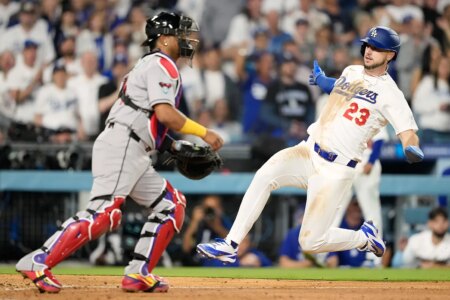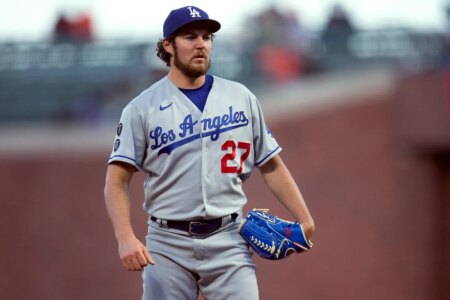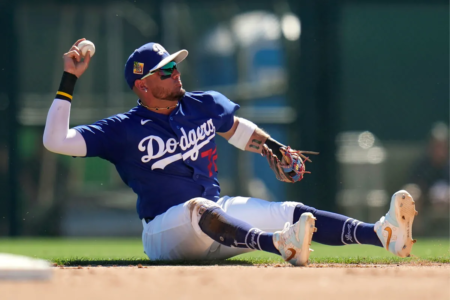



Los Angeles Dodgers fans are celebrating sustained success on the field, but many are also feeling the financial strain that comes with one of baseball’s most expensive rosters.
The Dodgers opened the 2026 season at Dodger Stadium – newly branded with a corporate field sponsor – amid renewed frustration from fans over rising ticket prices and game-day expenses.
While sponsorship signage drew attention, the larger concern for many supporters remains affordability. Opening Day get-in prices approached $200, with secondary-market tickets costing significantly more.
Inside the ballpark, a beer and Dodger Dog combined for roughly $30, contributing to what industry estimates place at more than $413 for a family of four to attend a game – the highest average cost in Major League Baseball.
Winning comes with a rising price tag in LA
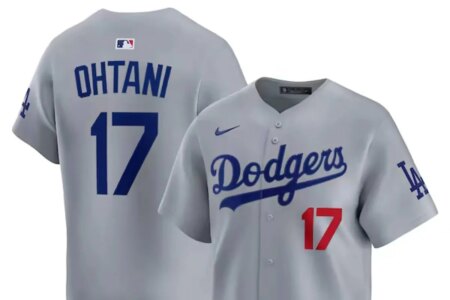
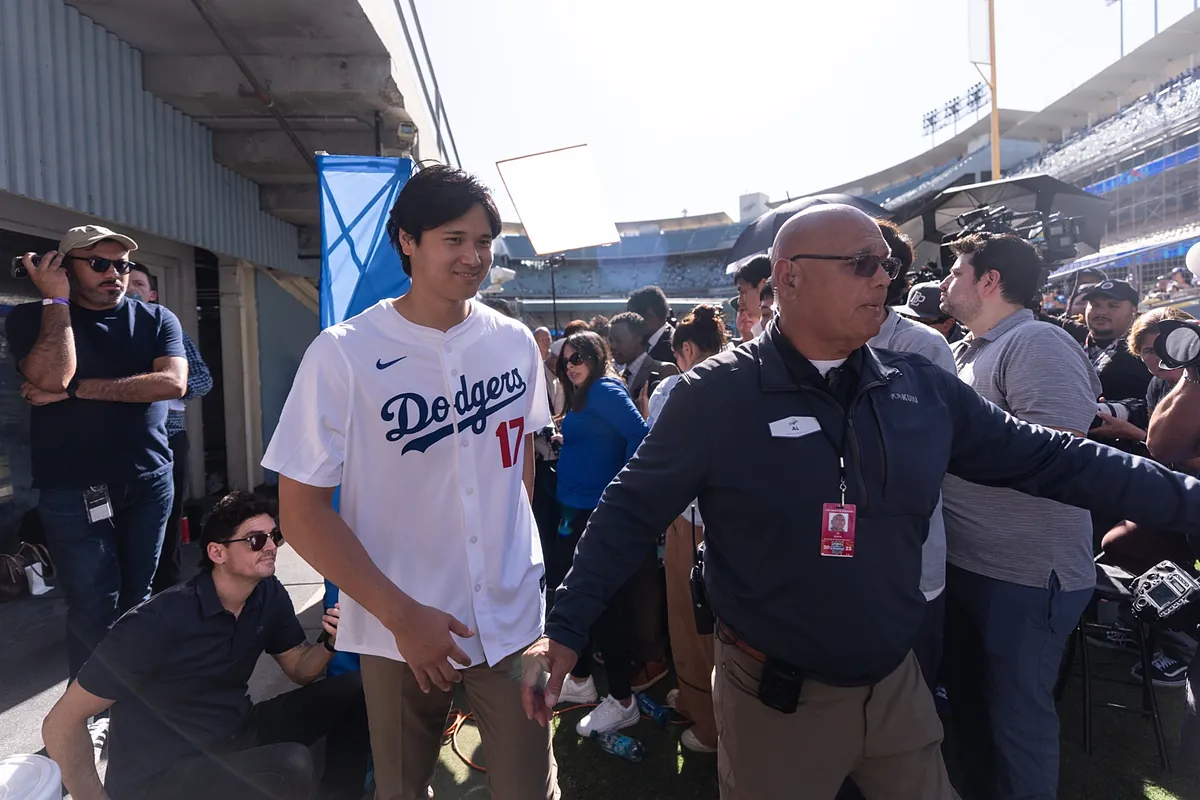
The escalating costs coincide with unprecedented spending by the Dodgers’ ownership group. In recent years, Los Angeles committed $700 million to Shohei Ohtani, $325 million to Yoshinobu Yamamoto, $182 million to Blake Snell, and $240 million to Kyle Tucker, leaving eight players on contracts worth at least $100 million.
Such investment has helped fuel back-to-back World Series titles and sustained contention, but financial realities suggest fans inevitably share part of the burden.
Increased ticket prices, premium concessions and expanded sponsorship deals have become key revenue streams supporting the franchise’s aggressive payroll strategy.
According to Sportico, the Dodgers generated roughly $4.29 million per game in ticket revenue, totaling about $340 million annually from gate receipts alone.
Record revenues, limited relief for fans
The franchise surpassed $1 billion in gross revenue in 2025 and operates under an $8.35 billion television deal, while international stars like Ohtani continue to attract lucrative sponsorships.
Dodgers’ executives have framed heavy spending as part of a responsibility to deliver championships, emphasizing the connection between fan support and competitive investment. However, critics argue that financial success has yet to translate into a more affordable fan experience.
For many supporters, the reality of modern baseball is clear: elite rosters and consistent winning often come at a premium – one increasingly paid by the fans themselves.
Read the full article here