

With negotiations surrounding the next collective bargaining agreement intensifying, NBA legend Charles Barkley has delivered a stark warning to WNBA players, including rising superstar Caitlin Clark about the realities of negotiating with league ownership.
The outspoken Hall of Famer addressed the issue during a recent episode of The Steam Room podcast alongside Ernie Johnson, offering his unfiltered perspective on the looming labor discussions.
As the March 10 deadline for negotiations approaches, tensions between the league and its players have grown, particularly around issues such as revenue sharing and long-term financial security.
Barkley, known for his direct style, began by expressing frustration with how commentary around the dispute has unfolded publicly.
First, he told Ernie Johnson on The Steam Room, “I hate people have an opinion on everything. That just makes you an a–.” However, the 63-year-old couldn’t help but address the players directly as negotiations intensified.
“The commissioner works for the owners. The commissioner is not trying to be like her. I like Cathy, but she’s speaking for the owners.”
His comments referenced Cathy Engelbert, the commissioner of the WNBA, while also highlighting what Barkley believes is a fundamental misunderstanding among some players regarding where decision-making power ultimately lies.
According to Barkley, many commentators have suggested that WNBA players currently have strong backing, from influential supporters, league leadership, and even some team owners. But he cautioned that financial power often determines how negotiations unfold.
“I’m like, well, y’all better be careful ‘cuz you know who has power? People who got damn money,” Barkley forewarned.
Despite the sharp tone, Barkley emphasized that he genuinely supports the growth of the women’s game and hopes the league continues to thrive. His warning, however, reflects what he sees as a practical lesson about how business works in professional sports.
History of NBA labor disputes shapes Barkley’s perspective
To reinforce his argument, Barkley pointed to historical examples from the NBA, where even the biggest stars were powerless during labor disputes with league ownership.
League owners told even Magic Johnson, Larry Bird, and Michael Jordan, three of the most iconic players in basketball history, to remain on the sidelines during past lockouts.
The 1995 lockout lasted from July 1 to September 12 and disrupted preseason and training camps. At that time, Jordan was still an active player, while Bird and Johnson had already retired.
A few years later, the 1998-1999 lockout stretched an astonishing 204 days and forced the cancellation of 464 regular-season games.
By that point, Jordan had just retired following the 1998 Finals, while Bird and Johnson had long stepped away from playing.
Even earlier labor negotiations in the early 1980s led to intense standoffs, including strike threats that preceded the 1983 collective bargaining agreement.
For Barkley, those moments illustrate a consistent truth: in professional sports, ownership groups often hold the leverage.
His remarks come as the WNBA and the players’ union continue working to finalize a new agreement before the upcoming season.
According to reports from ESPN, the league submitted a counterproposal to the union just one day after receiving the players’ offer, signaling the urgency surrounding the negotiations.
While many details remain confidential, revenue sharing has emerged as the central issue. The union has reportedly requested an average of 26% of gross league revenue, including 25% in the first year of a new agreement.
League executives, however, have described that figure as unrealistic and instead proposed a structure that would distribute more than 70% of net revenue as the league continues to grow.
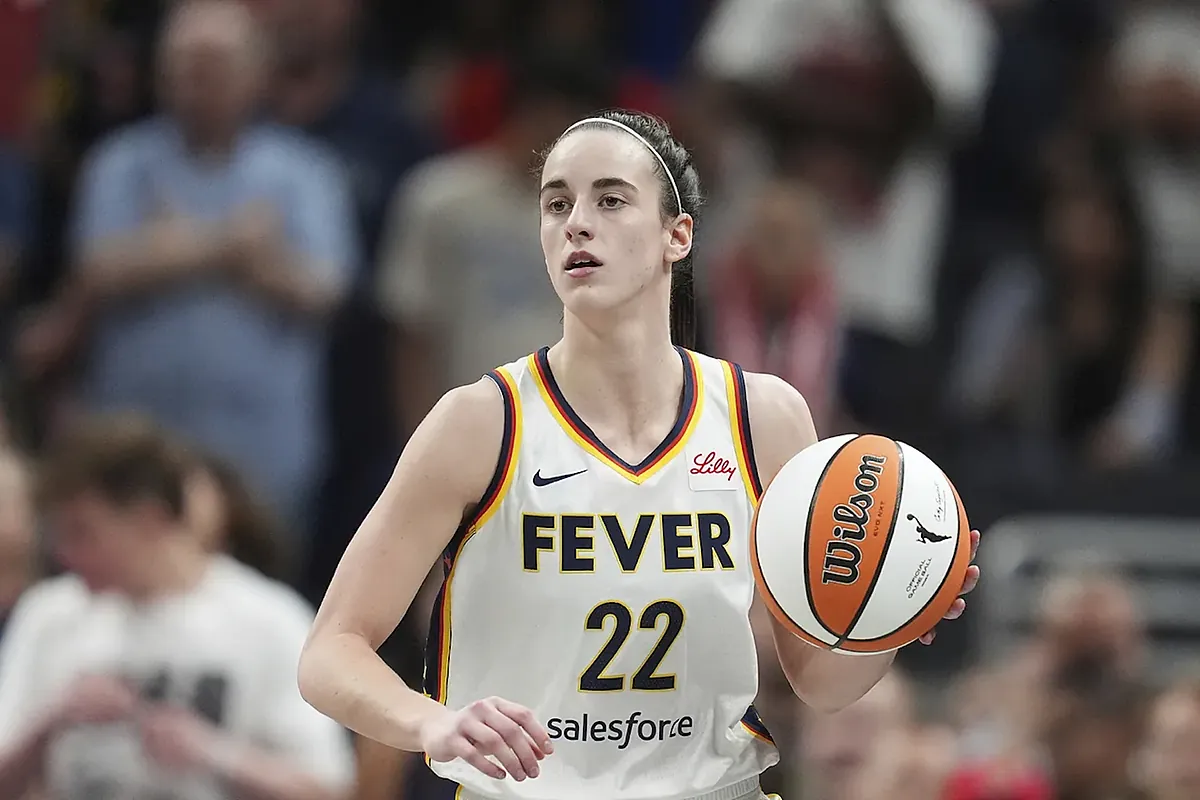
Amid the debate, Caitlin Clark has called for a more direct approach to negotiations, urging both sides to meet face-to-face rather than continue exchanging proposals.
“I don’t understand why we don’t just get in a room and iron it out and shake hands,” the WNBA superstar said. “That’s how business is. You look each other in the eye, you shake hands, you respect both sides. For me, that’s what I would love to see.”
With the deadline approaching, the league now faces a critical moment. Whether negotiations lead to compromise or confrontation, Barkley‘s warning serves as a reminder that labor battles in professional sports have rarely been simple, and the outcome often depends on who ultimately holds the financial power.
Read the full article here