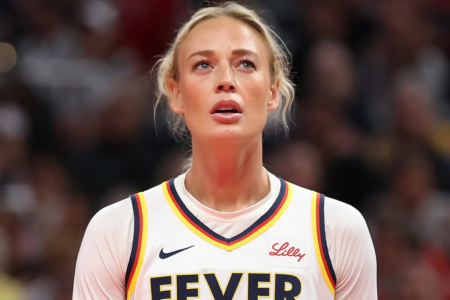



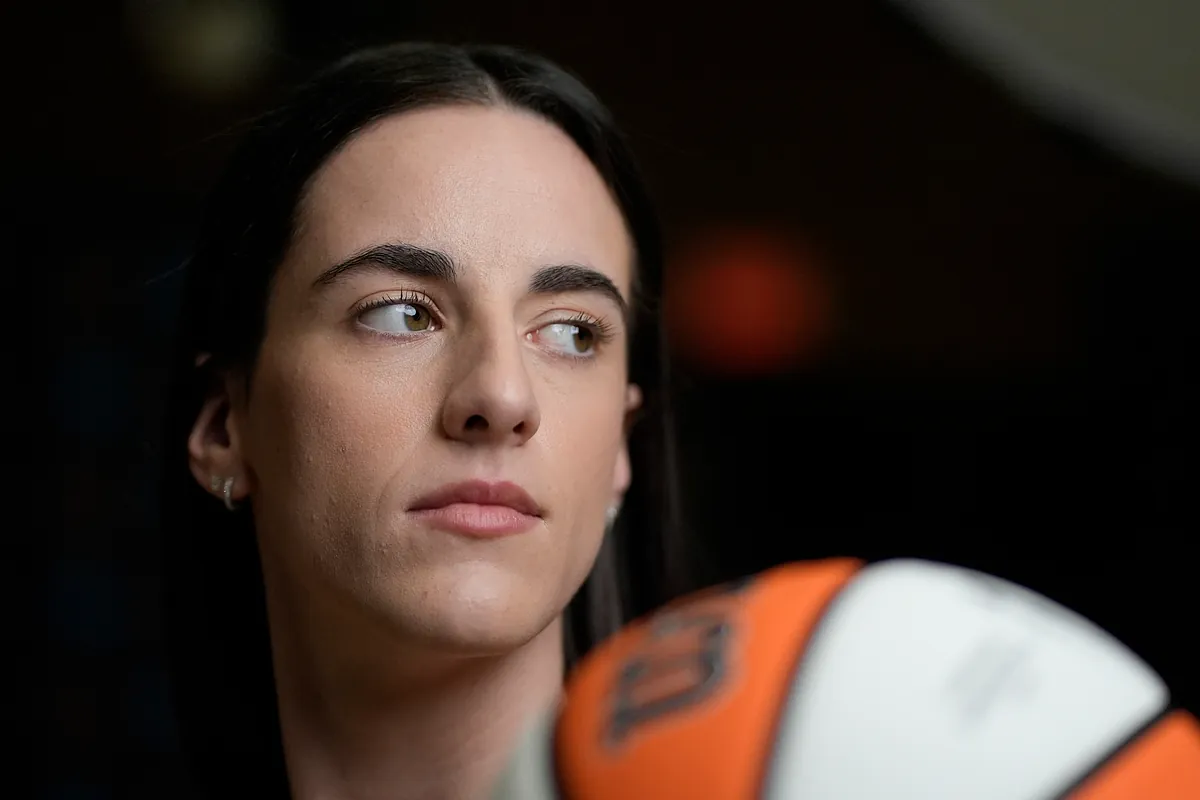
The looming collective bargaining agreement (CBA) deadline in March has transformed what once seemed like a routine labor negotiation into what some players are calling a make-or-break moment for the WNBA.
With the start of the 2026 season rapidly approaching and key elements of league business hanging in the balance, stars like Caitlin Clark and franchises from coast to coast are confronting a rare crossroads.
As discussions drag on between the WNBA and the Women’s National Basketball Players Association (WNBPA), essential processes such as the expansion draft for new teams, free agency, and finalized training camp rosters remain stalled until a new labor accord is in place.
According to league sources, with March only weeks away, all of these moving parts must align before the league can confidently head into its scheduled April 25 preseason slate, an outcome far from assured.
“The biggest moment in the history [of the league],” Clark previously said of the negotiation fight, underscoring the stakes not just for pay and perks but for the very continuity of the sport’s upcoming season.
Free agency freeze and stalled roster planning
One of the most immediate consequences of the negotiation impasse is how it has frozen nearly all free agency activity.
With no new CBA ratified, teams are prohibited from signing most unrestricted free agents, leaving dozens of roster spots in limbo across the league.
That includes players such as Kelsey Mitchell, Natasha Howard, and Sophie Cunningham, each of whom would typically have been in the free-agent market by now.
For the defending champions and perennial contenders alike, uncertainty surrounding who will be under contract when the season begins has been more than theoretical. Without a framework to enforce new signings, many franchise plans have been delayed or sidelined entirely.
Key issues still unresolved
Despite movement on peripheral matters, the most significant point of contention remains the division of league revenue and how much of it players should receive.
The WNBPA‘s latest offer includes a proposal to secure roughly 27.5% of gross revenue across the life of a new deal, beginning at 25% in its first year.
Meanwhile, the league has maintained an offer that equates to about 70% of net revenue, which under typical accounting translates to less than 15% of gross.
That divide has led league projections to suggest the players’ demands could result in substantial financial strain under the current business model, a point league officials have repeatedly underscored.
While housing provisions, expanded 401(k) benefits, and additional developmental roster spots have been inserted into the WNBA‘s evolving proposal, these advances have not meaningfully narrowed the fundamental financial gulf that separates the union and ownership.
What’s at stake and the looming march deadline
If the CBA is not finalized before March, the implications could be extreme. Not only could the official free agent market and expansion draft be delayed, but teams may have to enter the season with incomplete rosters or under temporary conditions that leave players and executives alike in a state of uncertainty.
League officials and player leaders have acknowledged the pressure. The WNBPA has previously authorized its executive committee to call a strike “when necessary,” a measure that reflects the seriousness of the standoff without yet committing to a work stoppage.
Read the full article here