



The WNBA finds itself at a pivotal point as negotiations continue between league ownership and the Women’s National Basketball Players Association (WNBPA) over a new collective bargaining agreement. With the current CBA set to expire on January 9, 2026, the stakes are higher than ever, and Indiana Fever superstar Caitlin Clark made it clear she understands exactly what’s on the line.
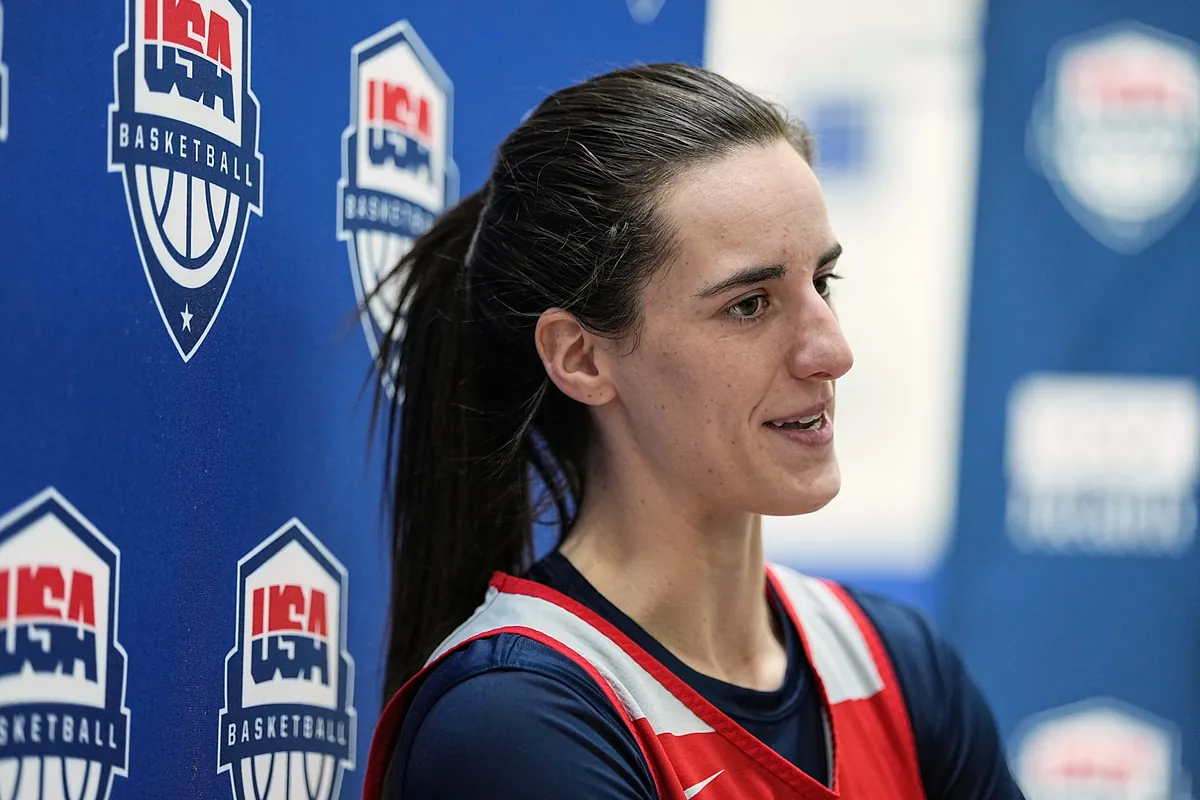
Speaking Friday at USA Women’s Basketball training camp at Duke, Clark did not downplay the significance of the moment, calling the negotiations the most important in the league’s history. Her comments underscored both the urgency of the talks and the responsibility felt by today’s players to get it right.
“This is the biggest moment the WNBA has ever seen,” Clark said. “It’s not something that can be messed up. We’re going to fight for everything that we deserve, but at the same time, we need to play basketball. That’s what the fans crave. That’s what grows the game and drives the business.”
It’s business, and it’s a negotiation… There has to be compromise on both sides. There are things we deserve that we shouldn’t compromise on, and there are other areas where maybe we can
What’s at stake in the WNBA CBA negotiations
At the center of the negotiations are player salaries, revenue sharing, and long-term financial structure. The league and union have already agreed to multiple extensions of the current agreement to keep talks moving, signaling a mutual desire to avoid labor disruption ahead of the 2026 season and April 13 draft.
The WNBA’s most recent proposal represents a major shift compared to past agreements. It reportedly includes a $1 million base salary for top-tier players and a minimum salary of approximately $225,000, a dramatic jump from the league minimum of just over$66,000 in 2025. While that proposal has been widely viewed as progress, the WNBPA is pushing for a more fundamental change: tying the salary cap directly to league revenue growth, similar to the model used by the NBA.
Another contentious element is the league’s proposal to eliminate team-provided housing, a benefit that has long helped players manage expenses during the season. For many athletes, especially younger players, housing has been a key component of financial stability.
Clark acknowledged the complexity of the talks and emphasized the need for balance.
“It’s business, and it’s a negotiation,” she said. “There has to be compromise on both sides. There are things we deserve that we shouldn’t compromise on, and there are other areas where maybe we can.”
Why Caitlin Clark’s voice matters
As one of the most influential figures in women’s basketball, Clark’s perspective carries weight beyond the locker room. Since entering the league, she has helped fuel unprecedented fan interest, media coverage, and commercial growth, making her a central figure in discussions about the WNBA’s future economy.
Clark also stressed the responsibility current players have to those who came before them and those who will follow. “It’s important we find a way to play next season,” she said. “Our fans, and everyone who helped build this league, deserve that.”
As negotiations approach a critical stage, Clark’s message is clear: this moment isn’t just about contracts. It’s about ensuring the WNBA’s growth translates into lasting opportunity, fairness, and stability for generations of players to come.
Read the full article here