



On February 14, the Women’s National Basketball Players Association delivered a Valentine’s Day message that offered a playful take on an important discussion that is currently ongoing.
Posted to Instagram and clearly directed at the WNBA and its latest collective bargaining proposal, the message avoided legal jargon and financial tables.
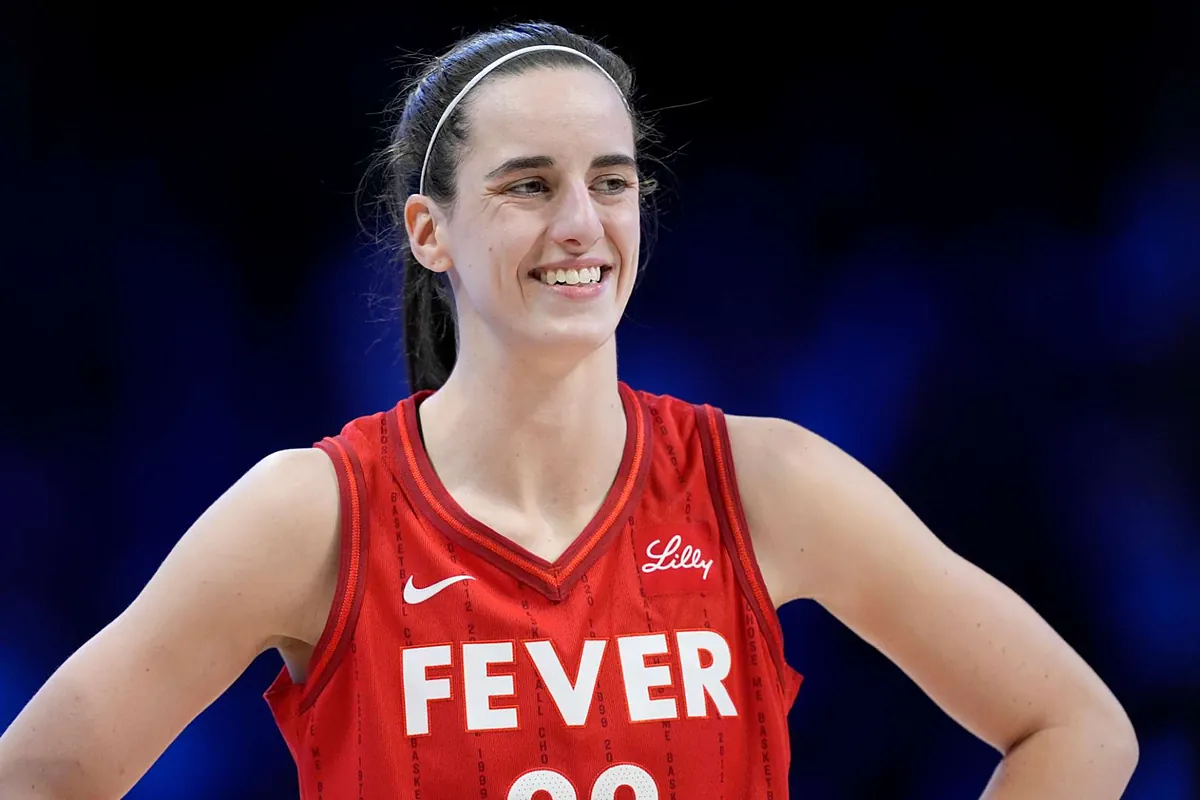
Instead, it used flirty language to make a pointed demand from the organization representing Indiana Fever star Caitln Clark and other stars.
“Roses are red, violets are blue, we’d love a proposal that values players too.” A second slide read, “This ‘situationship’ has gone on for too long.” A third added: “Maybe it’s time to ‘Make it Official.'”
The tone may have been lighthearted, but the meaning was unmistakable.
Negotiations between the Women’s National Basketball Players Association and the WNBA remain ongoing.
There has been measurable progress in certain areas, yet the most consequential financial questions are still unresolved.
Could housing end the saga?
One significant breakthrough involves housing. Under the revised proposal, one-bedroom apartments will be provided for players earning the league minimum salary.
Additionally, two developmental players per roster will receive studio apartments. For years, housing support has been a quality-of-life concern for players balancing demanding travel schedules and relatively modest salaries compared to other professional leagues. These concessions mark tangible movement.
However, housing is not the core dispute. Revenue sharing remains the central sticking point. Reports indicate that the WNBA is holding firm below a 15 percent share of total revenue for players.
In contrast, the union is pushing for a $10.5 million salary cap and a 30 percent share of gross revenue – revenue calculated before expenses are deducted. That distinction is critical, as it significantly alters the financial outcome for players across the league.
League officials have projected that meeting the union’s full proposal could lead to approximately $700 million in losses over the life of the agreement. T
he Women’s National Basketball Players Association has publicly rejected that estimate, calling it “absolutely false” and maintaining that a revised revenue-sharing model would better position the WNBA for long-term profitability.
Stewart gives a positive update
Despite the financial gap, rhetoric from players has remained measured rather than combative. On February 13, Breanna Stewart addressed the ongoing negotiations and struck a cautiously optimistic tone.
“I’m feeling better. I’m feeling like the owners are finally really acknowledging and being receptive of what we want and the players as well.”
Her comments suggested progress without signaling compromise on core principles. She also highlighted the urgency of reaching a resolution before the 2026 season is affected.
“I’m hoping we can get this thing done quickly so then we’re not late to start the 2026 season. Now that we’re part of a revenue-shared model, you miss games, it’s less money. Not to say that we should submit and just say yes to any proposal that we don’t like, but this is a business now.”
The Valentine’s Day post underlines a shift in direction. As the WNBA experiences surging popularity, record attendance, and expanding media coverage, players are seeking compensation structures that reflect that growth.
For now, negotiations continue behind closed doors. But through carefully chosen words, the WNBPA made it clear that the players believe the league’s future prosperity should be shared.
Read the full article here