

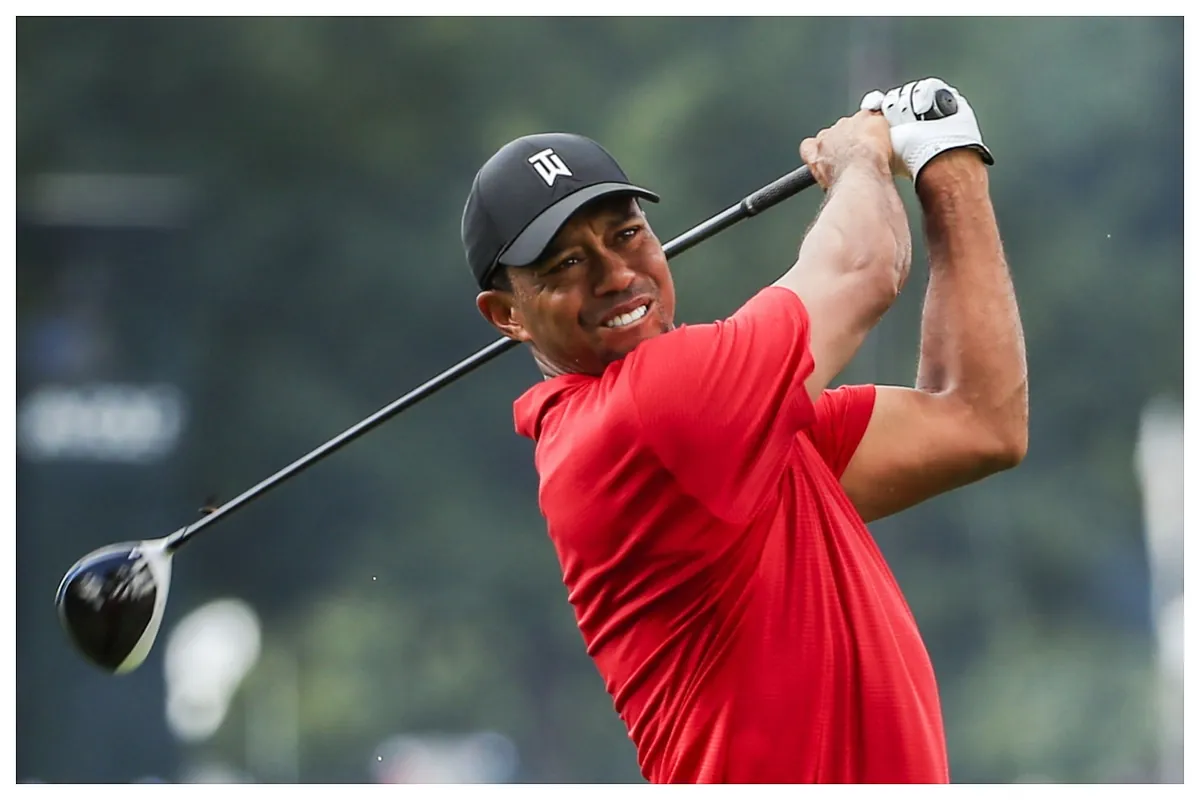
Golf broadcaster Jimmy Roberts has revealed one short interaction with Tiger Woods in 1996 told him more about the golfer than years of coverage ever could.
Speaking earlier this year with Trey Wingo, Roberts reflected on a moment that took place just days before Woods competed in the final of the U.S. Amateur. At the time, Roberts was conducting a lengthy sit-down interview with the then amateur standout but had to leave earlier than planned.
“I do this long sit-down interview with him. And then I say, Yeah, listen, I got to go. ‘I’m leaving, you know; I have to go back home,'” Roberts recalled.
Woods, already locked into tournament mode, responded with a mix of intensity and humour that caught Roberts off guard: “I don’t know, am I crazy, or isn’t it usually customary to stay for the actual competition?”
Roberts‘ reason for leaving was serious. His wife was dealing with pregnancy complications, something Woods learned in passing. Woods went on to win the U.S. Amateur title, but it was what happened the following week that left the lasting impression.
At the Greater Milwaukee Open, Woods made his professional debut, unveiling his famous “Hello World” moment. Amid the crowd of media members, Woods noticed Roberts and made a point to check in.
“Hey, is your wife okay?” Woods asked.
“I thought that was kind of like this guy’s sharp,” Roberts told Wingo. “It was a very thoughtful thing to say.”
From a thoughtful question to mutual respect
That week in Milwaukee hinted at what was ahead. At just 20 years old, Woods finished 60th at Brown Deer Park Golf Course, earning $2,544. The placing itself faded quickly, but one moment did not. In the final round, Woods recorded his first professional hole in one, hitting a 6 iron from 202 yards on the 14th hole.
For Roberts, moments like that became the foundation of a long career in golf broadcasting. A former caddie who worked his way into television, he became one of the sport’s most trusted storytellers through his work with NBC Sports and the Golf Channel. Over time, his interviews with Woods grew more revealing as familiarity turned into mutual respect.
Roberts was there after Woods won the Masters for the first time in 1997 and again during periods when public narratives failed to match reality.
Read the full article here